Last updated November 22, 2026
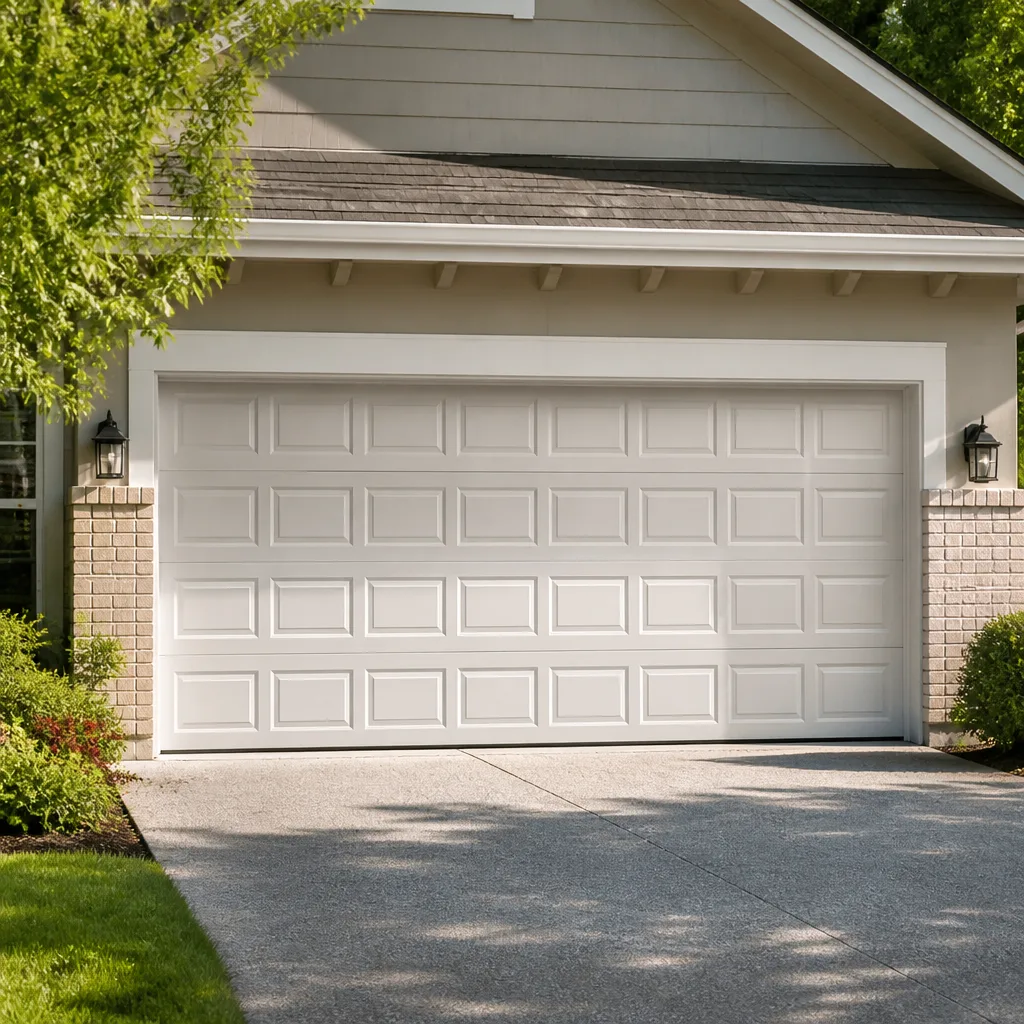 Raised-panel steel
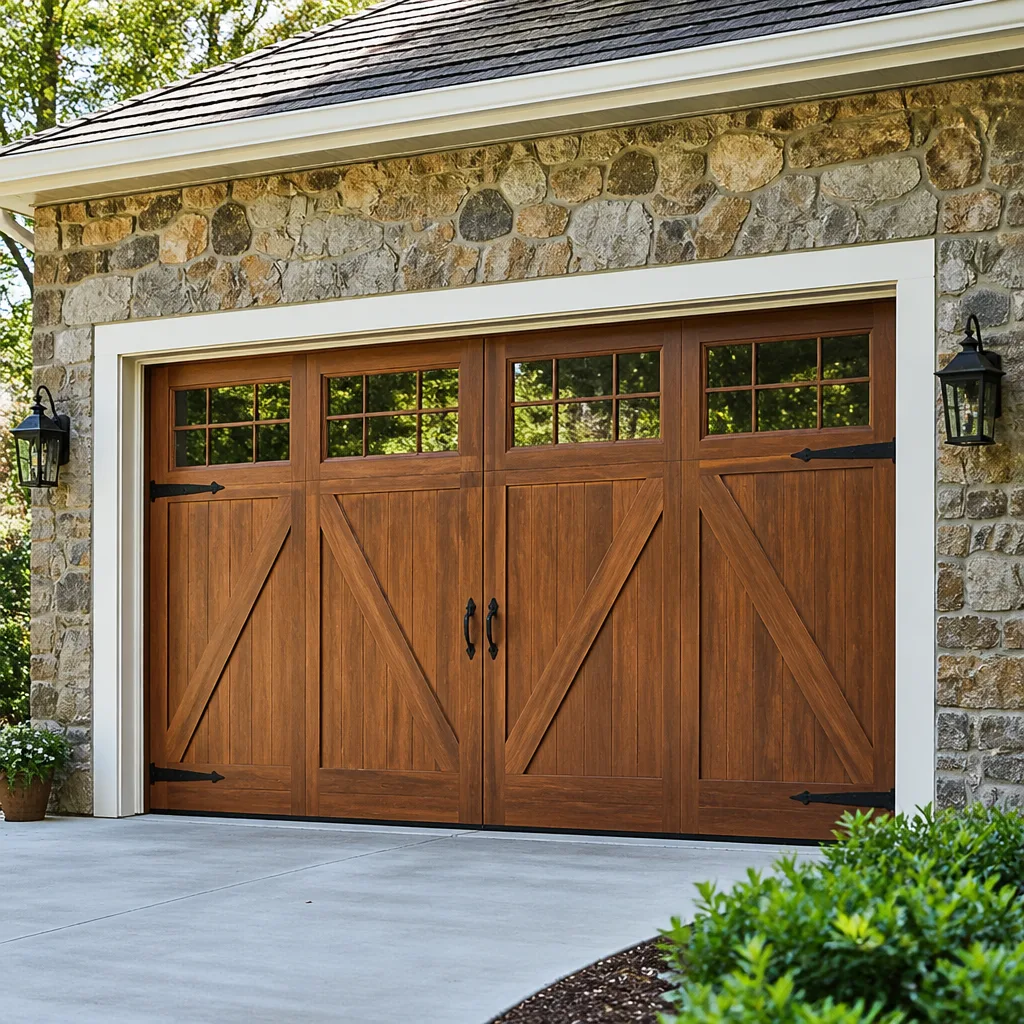 Carriage house
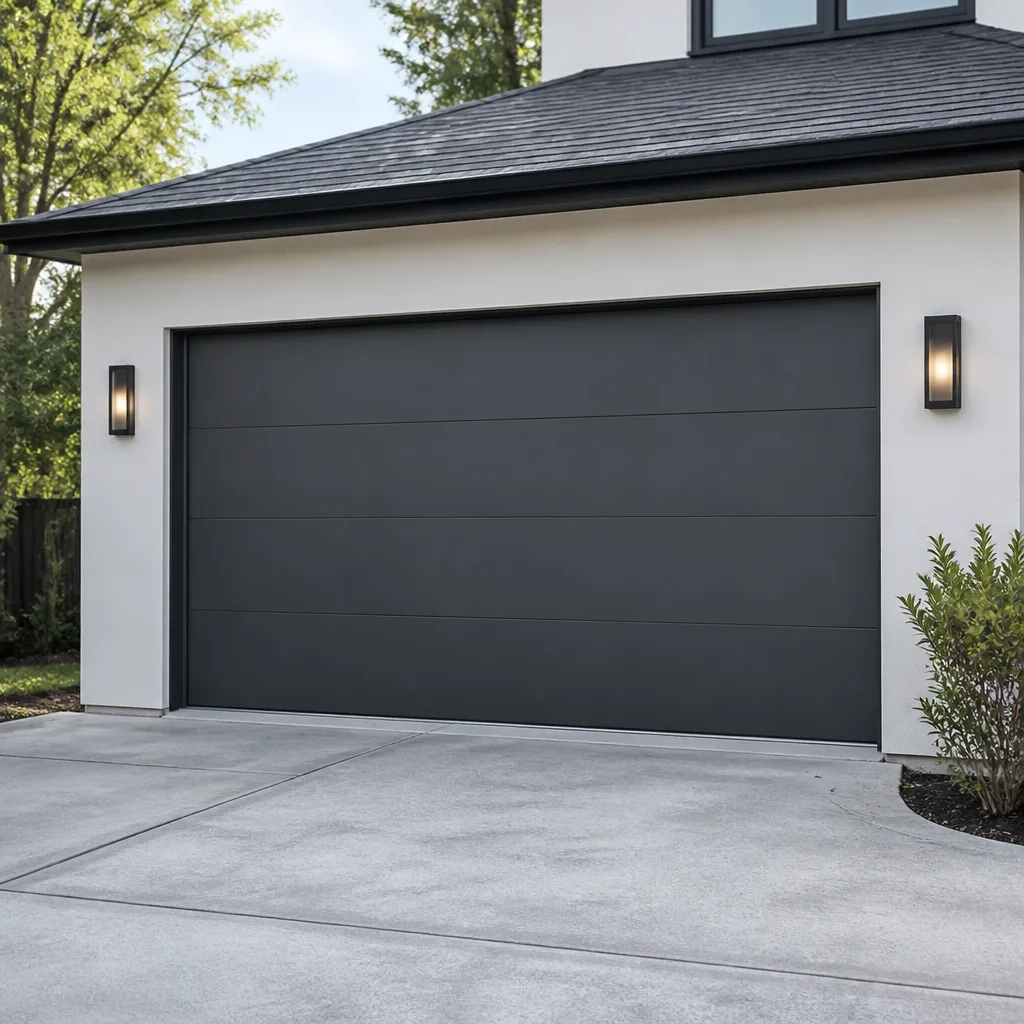 Modern flush
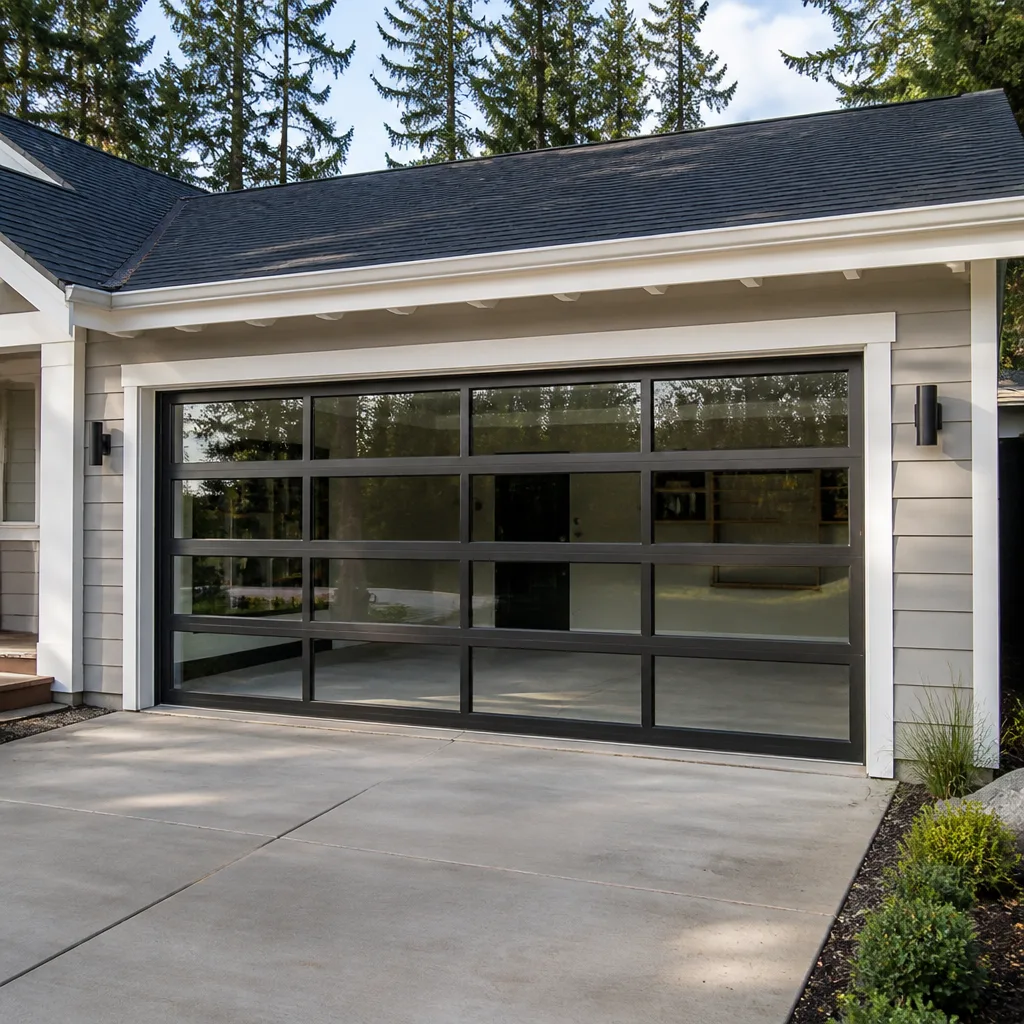 Full-view glass
 LiftMaster openers
 Chamberlain openers
Full 25-point door and opener safety check with every visit - springs, cables, rollers, tracks, and your LiftMaster or Chamberlain opener included
You get a price before we start. It does not change when the pro arrives.
Get your free estimateGarage Door Permits, Codes & Inspections in Town Center, VA: What You Need to Know
Here’s the assumption that catches people: a garage door is “just a door,” so swapping it must be permit-free. In Virginia, that’s sometimes true and sometimes not, and the difference isn’t the door itself – it’s what the new door attaches to. Replace a panel in the same frame, keep the same header, and you’ll usually see no permit. Cut the opening wider, raise the header, or change the structural framing, and you’ve crossed into work the Virginia Uniform Statewide Building Code cares about. The trouble tends to surface years later, when a buyer’s inspector writes “structural modification, verify permits” and a closing gets tight. This guide walks through when a Town Center project needs a permit, how the county processes it, what inspectors check, and what to do if work was already done without one.
Quick Answer
A like-for-like garage door replacement in Town Center – same size, same opening, same type of door – typically does not require a building permit under the Virginia Uniform Statewide Building Code. Any change to the structural opening, header, framing, or the addition of a new structure does. Your HOA’s architectural review is a separate approval that runs alongside code, and it can be stricter than the county. When in doubt, call James City County’s building department before you order the door.
Styles & brands we work with
- Raised-panel steel
- Carriage house
- Modern flush
- Full-view glass
- LiftMaster openers
- Chamberlain openers
Table of Contents
- Where Virginia Draws the Line: Swap vs. Structural Change
- How James City County Processes a Garage Door Permit
- HOA Architectural Review in Town Center Communities
- What an Inspector Actually Checks
- Already Done Without a Permit? Here’s How to Fix It
- How Unpermitted Work Shows Up at Resale
- A Practical Decision Flow for Town Center Homeowners
- Common Mistakes to Avoid
Where Virginia Draws the Line: Swap vs. Structural Change
Virginia doesn’t regulate garage doors as a category. The state’s Uniform Statewide Building Code governs buildings, and the garage door falls under that umbrella only when the work touches something the code considers structural – framing, headers, load paths, or the building envelope. That’s the entire distinction, and it’s why two homeowners on the same Town Center street can have completely different permit experiences.
The code itself is adopted at the state level, then enforced by the local jurisdiction. In the Town Center area, that’s James City County, whose building department issues the residential permits. So the rulebook is Virginia’s, but the person you actually talk to is the county.
The like-for-like swap (typically permit-free)
This is the case most homeowners expect, and it usually holds. Examples:
- Removing an old Clopay or Wayne Dalton sectional door and installing a new door of the same width, height, track configuration and headroom.
- Changing the door material (steel to aluminum, or a new color) without altering the opening.
- Replacing a torsion spring, cable, roller, hinge, or opener – repair work, not construction.
- Replacing a broken panel in a multi-panel door with the matching panel.
None of these change how the building carries load, so none of them trip the structural trigger.
The structural change (permit typically required)
This is where people get surprised. If your project involves any of the following, plan on a permit:
- Widening or raising the opening to fit a larger door. That means new framing, a new header, and a load calculation.
- Converting a single-car bay into a double opening, or vice versa.
- Changing a door type that alters the wall above the opening – for example, moving from a standard sectional to a full-view door with different header requirements.
- Adding a new garage opening to an existing wall, or enclosing one.
- Any work tied to an addition, a new garage structure, or a change that affects the fire separation between an attached garage and the living space.
That last one matters more than most people realize. The wall between an attached garage and the house is a rated assembly, and a garage door installation that disturbs or replaces that wall’s construction is a code-driven item, not a cosmetic one.
If your project is a full garage door installation that requires structural work, the permit conversation should happen before the door is ordered. The lead time difference between “no permit” and “permit required” is real – measured in weeks, not hours – and it’s cheaper to know on day one.
How James City County Processes a Garage Door Permit
James City County’s building department runs residential permits through the standard Virginia process: application, plan review if applicable, permit issuance, inspections at defined stages, and final sign-off. Garage door work that requires a permit is no different from any other residential structural permit – it just moves through a narrower inspection sequence.
The realistic sequence for a Town Center homeowner looks like this:
- Call the county building department first. Describe exactly what you’re doing – door size unchanged, framing unchanged, or something more. Ask whether the work requires a permit. Get the answer in writing if you can (email is fine).
- Submit the permit application. For a straightforward structural modification this is typically a short form plus a description of scope. A drawing or framing detail may be requested if the header or opening size changes.
- Wait for plan review, if required. Simple residential garage door permits are often reviewed quickly. Anything involving a header change or a new opening goes through a longer review, so plan for the delay accordingly.
- Pay the permit fee and post the permit. The county will tell you the fee based on project valuation. Fees vary and the county sets them, so ask for the current figure rather than guessing.
- Schedule the inspections. Rough-in inspection happens after framing but before the wall is closed or the door is hung. Final inspection happens after the door and opener are installed and operating.
- Get the final signed-off. Keep the inspection record. It’s the document that proves the work was permitted and is what a buyer’s inspector will look for.
Timelines: for a like-for-like swap with no permit needed, there’s no county wait at all. For a permit-required project, the practical timeline runs from a couple of weeks for a clear-cut application up to longer when drawings or revisions come into play. Ask the county for their current turnaround; it changes with workload.
One practical note: the county’s process and your HOA’s process run in parallel, not sequentially. Don’t wait for the county before starting the HOA review, and don’t assume an HOA approval satisfies the county.
HOA Architectural Review in Town Center Communities
Town Center’s HOA communities often impose architectural review requirements that go beyond anything the building code asks for. This is the layer that trips up the most people, because it’s the one that has nothing to do with safety and everything to do with appearance.
Typical HOA architectural requirements you’ll encounter:
- Pre-approval before installation. Many associations require written board or architectural committee approval for a door replacement, even one that is a like-for-like swap with no county permit.
- Style and color restrictions. Approved door styles, panel patterns, and color palettes. A door that passes code and fits the opening may still be rejected on appearance grounds.
- Window and glazing limits. Some associations restrict the number or placement of windows in the door face.
- Opener visibility and noise. A few associations have rules about where the opener motor is mounted relative to the ceiling and whether it’s visible from the street.
- Fencing, screening, and sightlines. If your project includes any change to the driveway approach or landscaping around the garage, that’s often separately reviewed.
- Submission windows. Some boards meet monthly; miss the deadline and you wait another cycle.
The contradiction to plan for: the HOA can require something the code doesn’t care about, and the code can require something the HOA has no opinion on. If your project involves both (say, a structural opening change plus a new door style), you need both approvals before the door is ordered. A door that arrives before the HOA has signed off can sit in the box for weeks.
Read your association’s architectural guidelines before you pick a door, not after. And keep copies of every approval – the value to you isn’t in the moment, it’s at resale.
What an Inspector Actually Checks
For a permitted garage door project, the inspector isn’t looking at whether you like the door. They’re checking the parts that affect safety and structural integrity. Knowing this helps you avoid a failed inspection, which costs time.
Rough-in inspection (before closing walls)
If your project involved framing changes, the rough-in inspection is where an inspector verifies:
- Header size and material match the approved drawings or the code requirement.
- Framing members are properly sized and connected.
- The fire separation between an attached garage and the living space, where the work touched it.
- Any required jack studs or king studs at the opening.
For a simple like-for-like swap, there is usually no rough-in because there’s nothing structural to inspect.
Final inspection
The final inspection is where the inspector confirms the door and its components are safely installed and functional:
- The door operates smoothly through its full travel without binding or jumping the track.
- The springs, cables and hardware are properly attached and in the correct position.
- The opener’s safety reversal works – the door reverses when it encounters an obstruction.
- Any required labeling or documentation from the door manufacturer is present.
- The area around the door is clear of obstacles and the door hardware is not protruding into the opening.
The inspector is not testing whether the opener is a LiftMaster or a Craftsman. They’re testing that whatever opener is installed does its safety job. That’s why we recommend hiring a technician who works on the brand you already have – an inspector can fail a job for a badly adjusted opener as easily as for a structural problem.
When a final inspection fails, it’s usually a minor adjustment rather than a structural issue. A short re-inspection fee and a rescheduled visit are the typical consequences.
Already Done Without a Permit? Here’s How to Fix It
This is the most common situation we hear about in Town Center – work was done, and the homeowner either didn’t know a permit was needed or was told it wasn’t. If that’s your situation, you’re not stuck. Virginia has a path for retroactively permitting work, and it’s worth taking.
The usual process:
- Call the county building department and be direct. Explain that prior work was done without a permit and that you want to bring it into compliance. In most cases the county will walk you through what they need.
- Submit an after-the-fact permit application. This is a regular permit application for existing work, with the scope described as what was actually done.
- Provide documentation. Depending on the county’s requirements, you may need to show plans, photos of the work, or evidence of the structural details. If the wall is already closed, an inspector may need to verify what’s inside – sometimes by opening a small area.
- Pay the permit fee plus any applicable penalties. The county sets these; ask for the current schedule before you submit.
- Schedule inspections. Rough-in may be waived if the work is visible or already verified. Final inspection will happen on the finished product.
- Get the signed-off record. This is the document that turns unpermitted work into permitted work for resale purposes.
Cost comparison, in plain terms: permitting the work retroactively is usually a fraction of what it costs to deal with an unpermitted-work flag at resale, because the resale flag can trigger a delay, a renegotiation, or a buyer walking away. The exact numbers vary by jurisdiction and by what the county requires, so it’s worth a phone call to get the current figures rather than guessing.
One honest caveat: retroactive permitting only works when the work meets code. If the framing or opening doesn’t, you’ll be correcting it before sign-off. That’s still the right path – you just need to know it going in.
How Unpermitted Work Shows Up at Resale
This is the part that makes the whole guide worth reading. Unpermitted garage door work doesn’t usually cause a problem while you live in the house. It causes a problem when you sell, because a buyer’s home inspector is checking for exactly this kind of thing.
The chain is predictable:
- A buyer’s inspector looks at the garage opening, header, and any framing that looks newer than the surrounding construction. If it does, they write “verify permits for structural modifications.”
- The buyer’s agent asks for permit records. If there are none, the question moves to whether the county will accept the work as-is or require correction.
- Your closing gets a contingency. The buyer wants a credit or a delay. Sometimes both.
- The credit is usually larger than the original permit would have been, and the deal can fall through if the buyer isn’t comfortable.
None of this is dramatic or dramatic-sounding. It’s paperwork. But paperwork in a closing is leverage, and it’s leverage against the seller.
The fix is straightforward: if you’re considering any work that touches the structural opening, permit it now. If a prior owner’s work is unpermitted and you’re thinking about selling, permit it retroactively before you list. The county’s process for after-the-fact permits exists precisely because this happens.
And if the work is a straightforward swap with no structural change, the paperwork burden is minimal – a phone call to the county to confirm, and a record of the answer for your file is enough. If the door itself is failing and you need a garage door repair rather than a replacement, the code question usually doesn’t come up unless the repair touches framing.
A Practical Decision Flow for Town Center Homeowners
This is the short version, condensed into a flow you can run through before you call anyone.
- Is the door size and opening unchanged? If yes, go to step 2. If no – meaning the opening is wider, taller, or new – a permit is almost certainly required. Go to step 5.
- Does the door type change in a way that affects the wall above the opening? Full-view doors, overhead-to-side-mount conversions, and any door requiring a different header fall here. A permit is likely required. Go to step 5.
- Does your HOA require architectural review? Almost all Town Center associations do. Submit the review before ordering anything, regardless of the permit answer.
- Are you replacing a spring, opener, panel, or roller? That’s garage door opener repair and general service work. No permit needed.
- Call James City County’s building department. Describe the scope exactly. Get the answer in writing. If a permit is required, submit the application and plan for real timeline.
- Once you have the answer, schedule the work. If a permit is required, wait for it before installing. If it’s a swap with no permit, schedule freely.
That last step is where people get ahead of themselves. It’s a small delay on paper and a large one in practice when a permit drives the schedule.
You can call us any time for a free estimate on the door side; we’ll tell you honestly whether your project sounds like it needs a permit and what the county’s likely to say. We won’t quote you a door before the permit question is settled.
Common Mistakes to Avoid
- Assuming a door swap is always permit-free. Swapping a door within the same opening usually is, but a door change that alters the header, the opening size, or the wall above is not. Ask the county first; the answer takes one phone call and protects you at resale.
- Getting HOA approval after the door is ordered. Some Town Center associations meet on a schedule, and a door ordered before approval can sit waiting for a review cycle. Start the architectural review before you pick a door.
- Treating the HOA and the county as the same thing. Both approvals matter, and neither satisfies the other. An HOA can approve a door the county would permit, but the reverse is rarely true – the HOA is often stricter on appearance than the code is.
- Hiring a technician who only works on one brand. A permit-required project that fails final inspection is often failing on an opener adjustment, not a structural problem. We work on Garage Door Repair Town Center-brand systems across LiftMaster, Chamberlain, Genie, Clopay, Amarr, Wayne Dalton, Craftsman, and Raynor so the final inspection doesn’t catch you by surprise.
- Skipping the after-the-fact permit when you discover unpermitted work. It’s tempting to assume nobody will notice. A buyer’s inspector will notice, and the credit they ask for is usually larger than the original permit would have been.
- Letting a repair turn into an unpermitted structural change. When a garage door repair reveals framing damage, the natural next step might be a header replacement. That step changes the project scope and the permit answer. Slow down before the saw comes out.
- Not keeping the signed-off inspection record. The paper trail is the whole point of permitting. Keep the inspection record with your closing documents – it’s what a buyer’s inspector will look for, and what proves the work was done right.
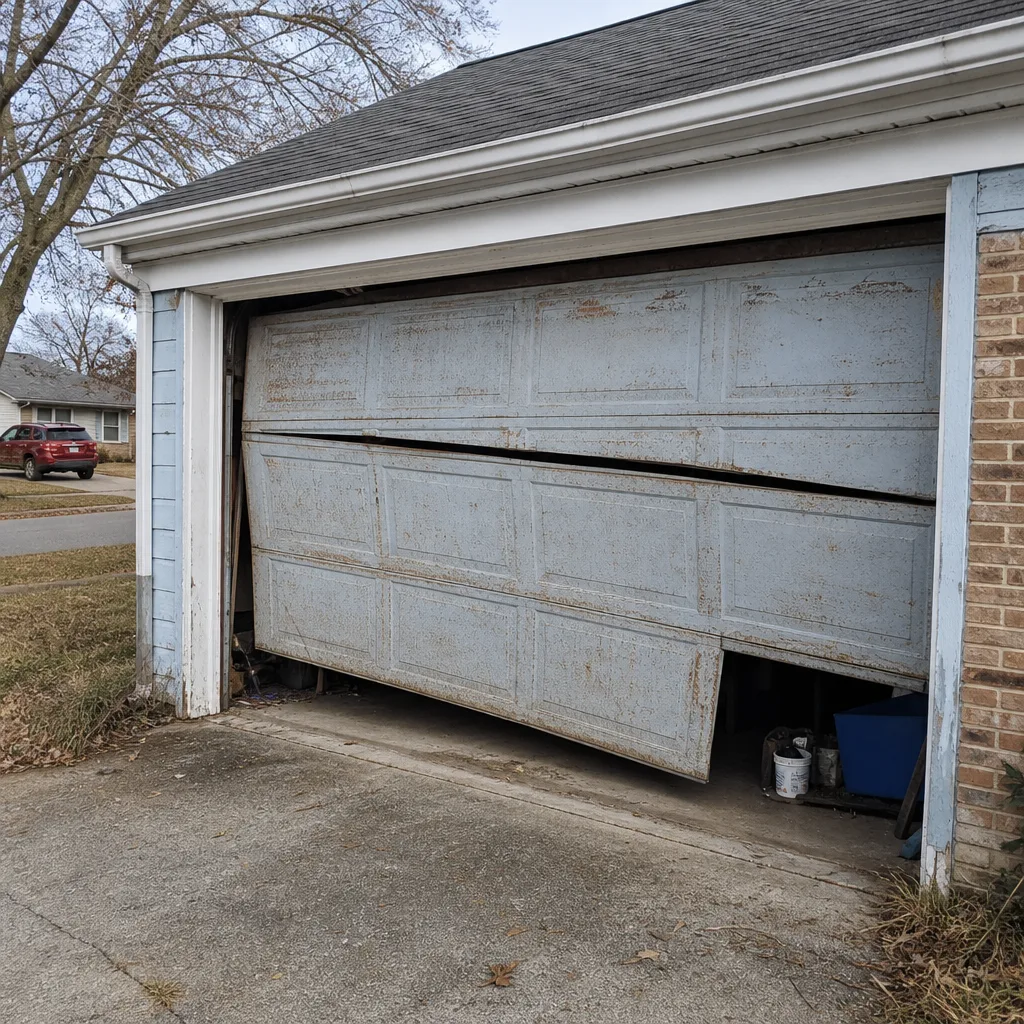
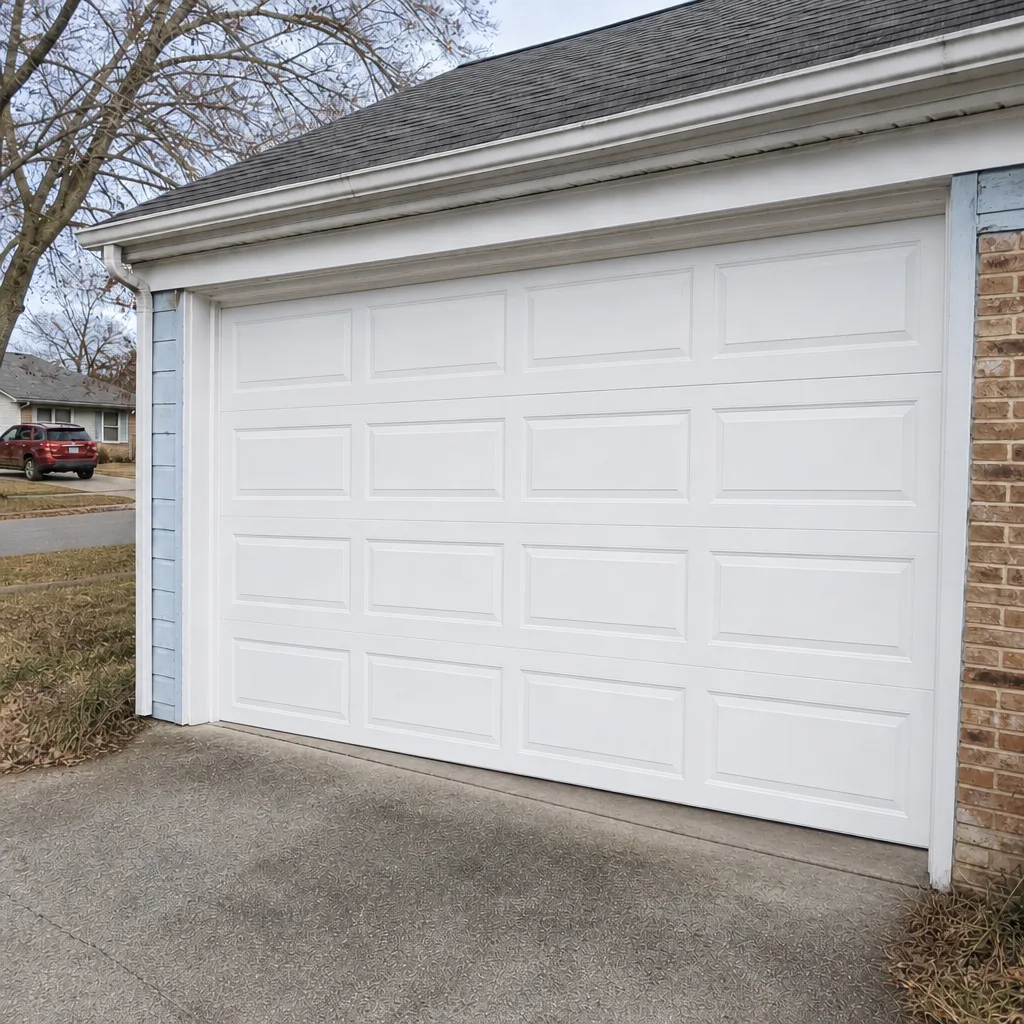
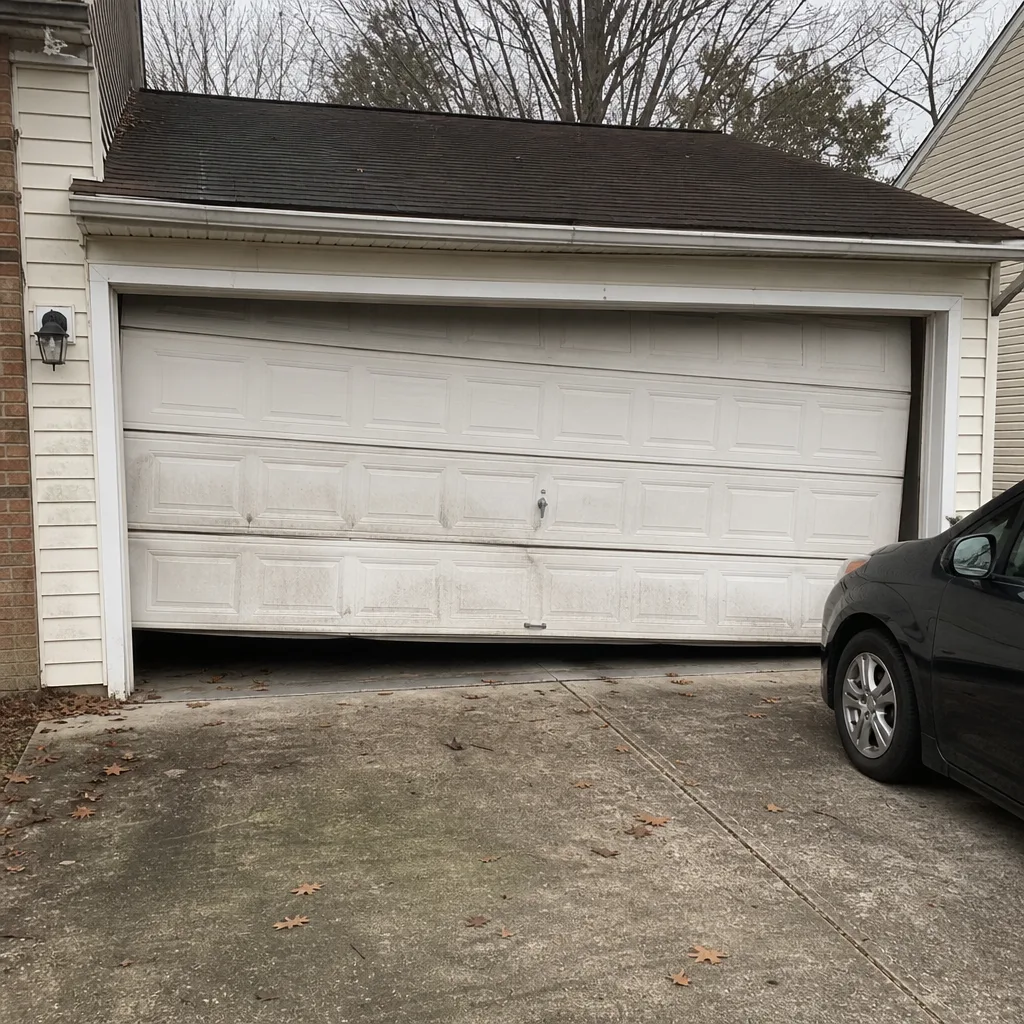
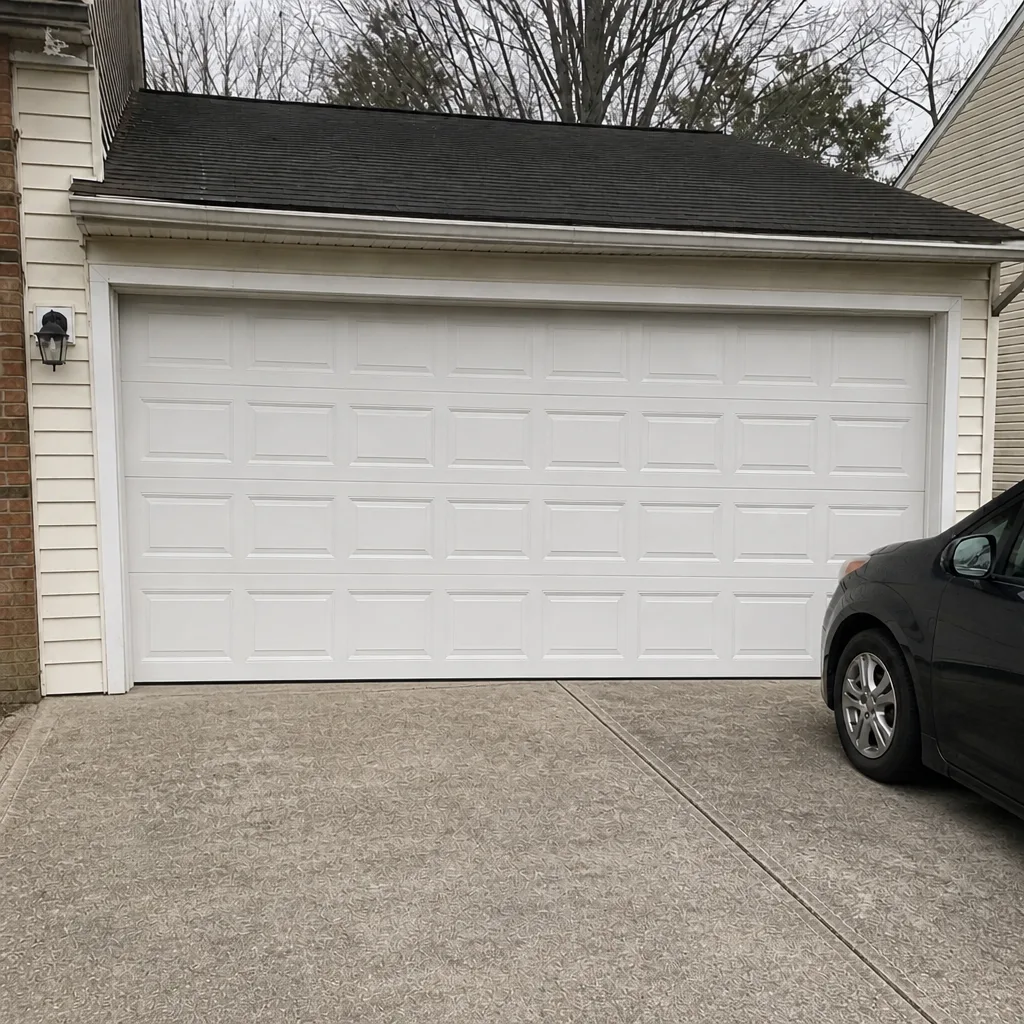
See the difference
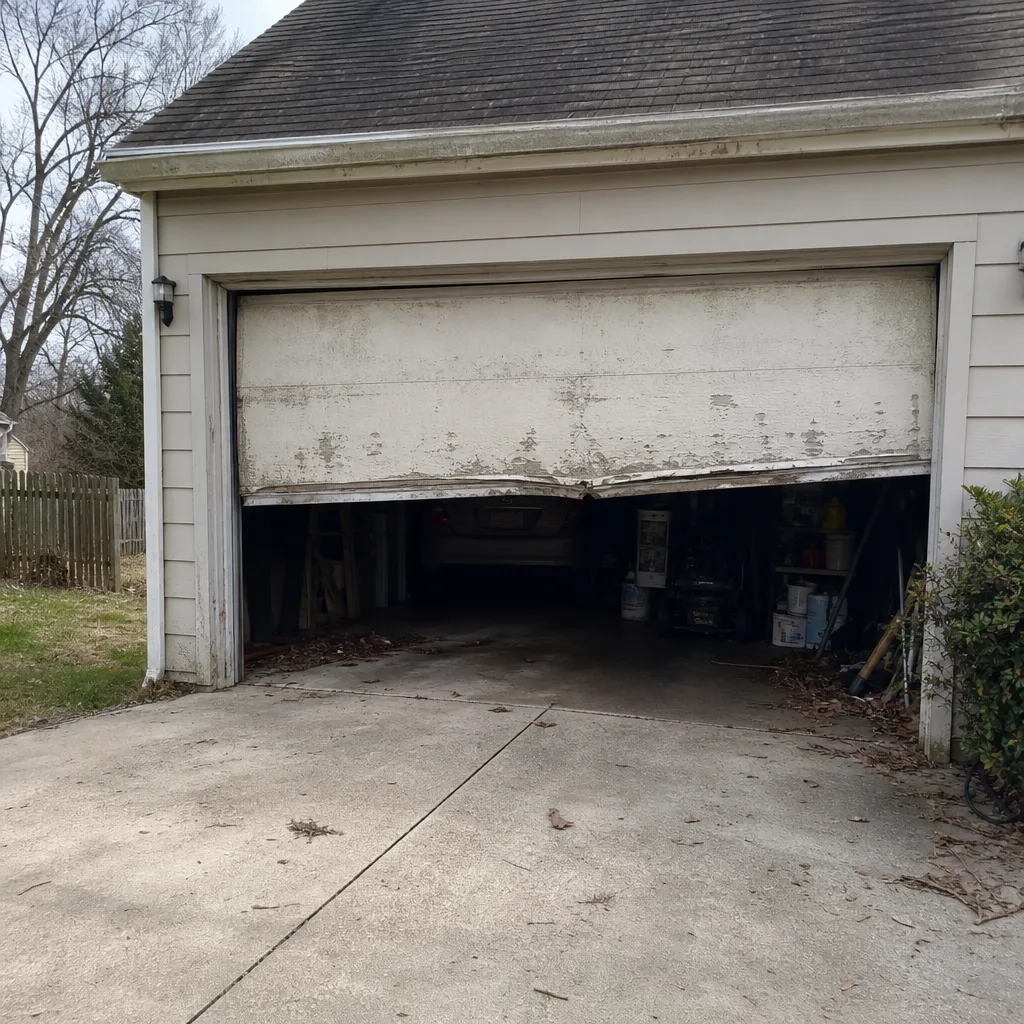 Before
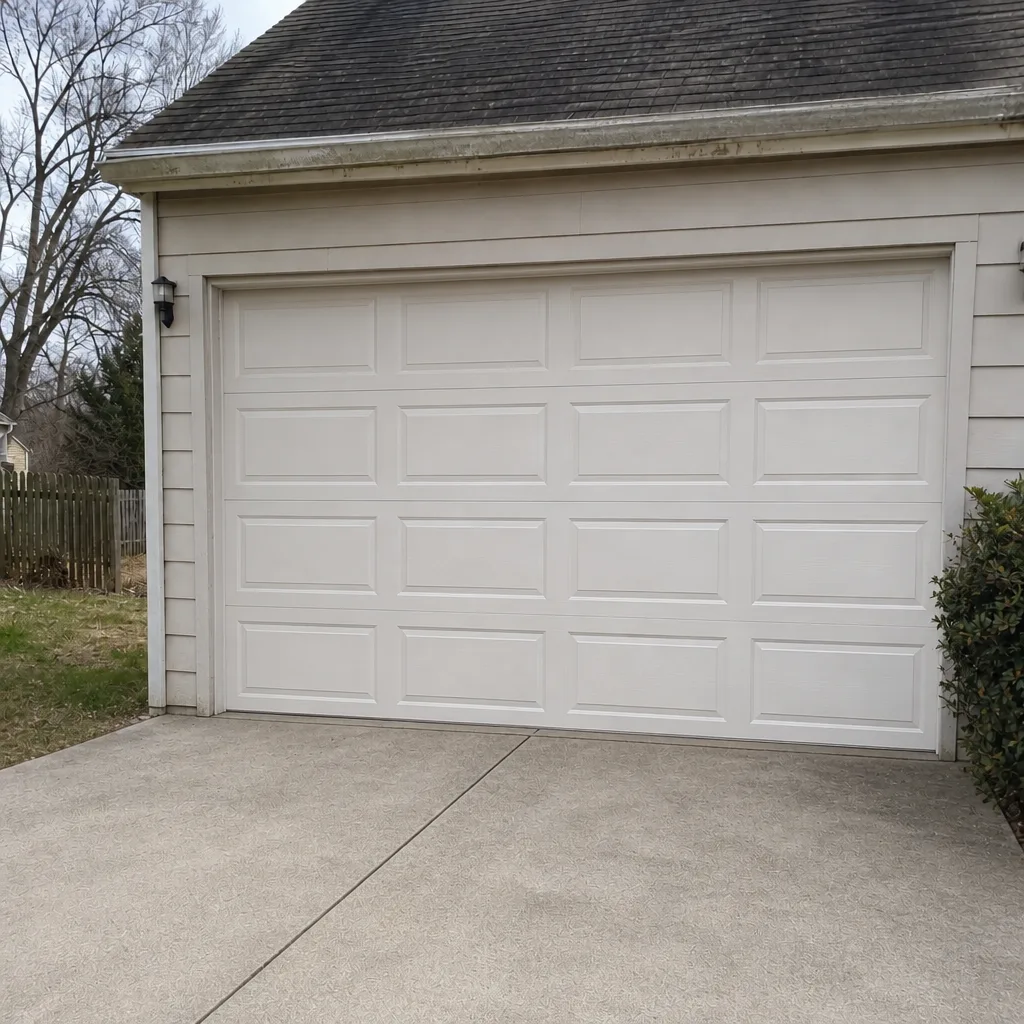 After
 Before
 After
 Before
 After
When to Call a Professional
Call a professional any time the project involves the springs, cables, or the structural framing around the opening. Garage door springs are under high tension, and a mistake can cause serious injury – this is not a job for a homeowner with a YouTube video. Call us if the door is a Wayne Dalton, Craftsman, Raynor, LiftMaster, or any of the other brands we cover, and you want a technician who knows the system you already have. Call us if you’re not sure whether a repair is a repair or a replacement – our technicians have up to 8 years of experience and can tell you honestly. And call us if a permit inspection has failed on the opener or door adjustment side; that’s a fix we can handle. Garage Door Repair Town Center offers free estimates in Town Center – call (833) 509-3459.
Frequently Asked Questions
Usually not, if the new door is the same size as the old one and the opening and framing are untouched. A permit is typically required when the door size changes, the header or framing changes, or the opening itself is modified. Call James City County’s building department to confirm your specific project before ordering the door.
Turnaround varies by project scope. A straightforward residential permit for a structural door change can move through in a few weeks, while a project requiring plan review or framing drawings takes longer. Ask the county for their current review timeline when you call, because it changes with their workload.
Rarely on structural grounds if the work matched the permit. When a final inspection fails, it’s usually a minor opener adjustment – the safety reversal isn’t working correctly, or the door isn’t traveling cleanly. Those are correctable, and a re-inspection is usually quick once the fix is done.
Yes. HOA architectural review is separate from building code, and both apply. Many Town Center associations require written approval for a door replacement even when the county doesn’t require a permit. Get both before the door is ordered.
Usually yes. Virginia allows retroactive permits for existing work, sometimes called an after-the-fact permit. The county will typically require documentation, a fee, an inspection of the finished work, and any applicable penalties. It’s better than leaving the work undocumented, especially if you plan to sell.
Almost always, and usually through the buyer’s inspector. Newer framing or an oddly sized opening triggers a “verify permits” note, which turns into a closing contingency. A retroactive permit before you list is generally cheaper than the credit a buyer will ask for later.
The Bottom Line
A like-for-like garage door replacement in Town Center usually doesn’t need a county permit. A change to the structural opening, header, or framing does. HOA architectural review runs alongside both and is often stricter on appearance than the code is. Inspectors check structural integrity and opener safety, not brand or style. Unpermitted work is fixable through the county’s retroactive permit process, and fixing it before you sell is almost always cheaper than letting it surface at closing. When you’re ready for a free estimate on the door side, call (833) 509-3459 – we’ll tell you what your project actually needs.
Written by the team at Garage Door Repair Town Center.