Last updated November 22, 2026
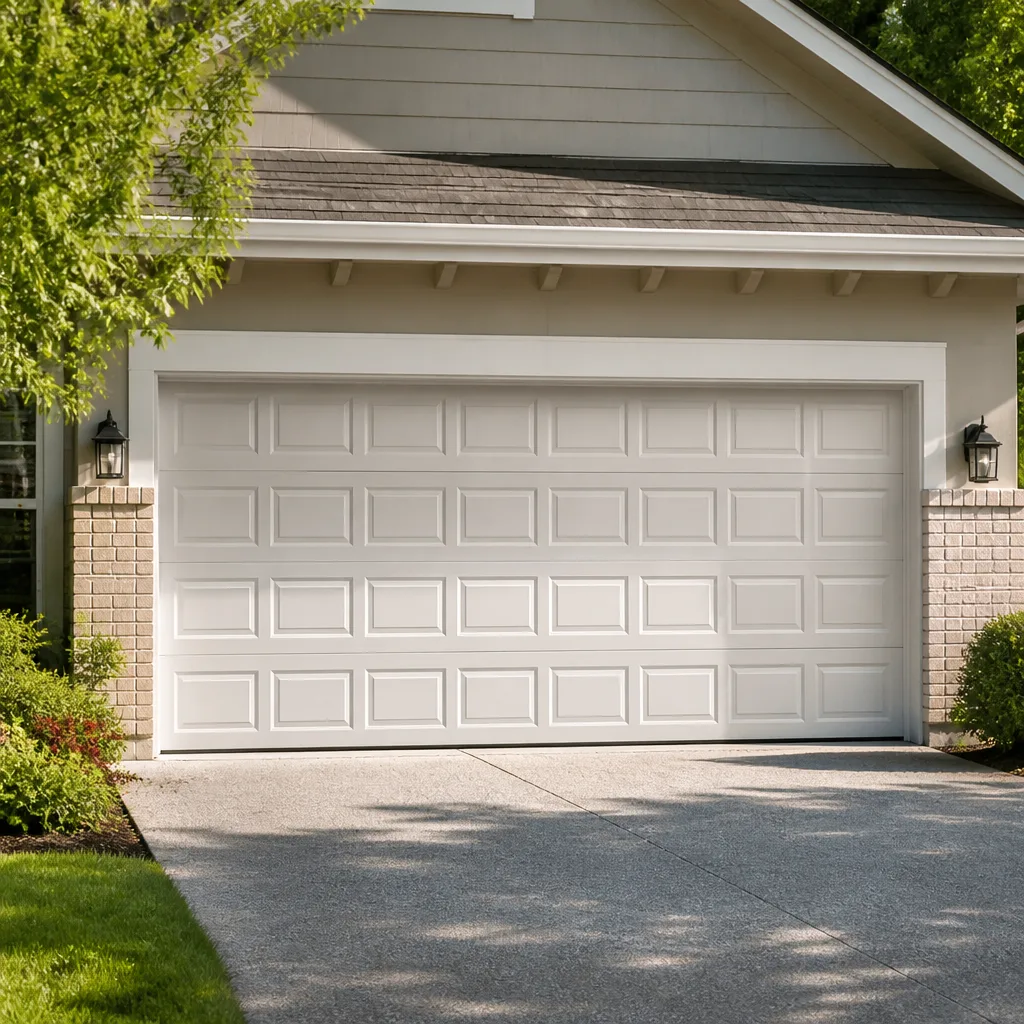 Raised-panel steel
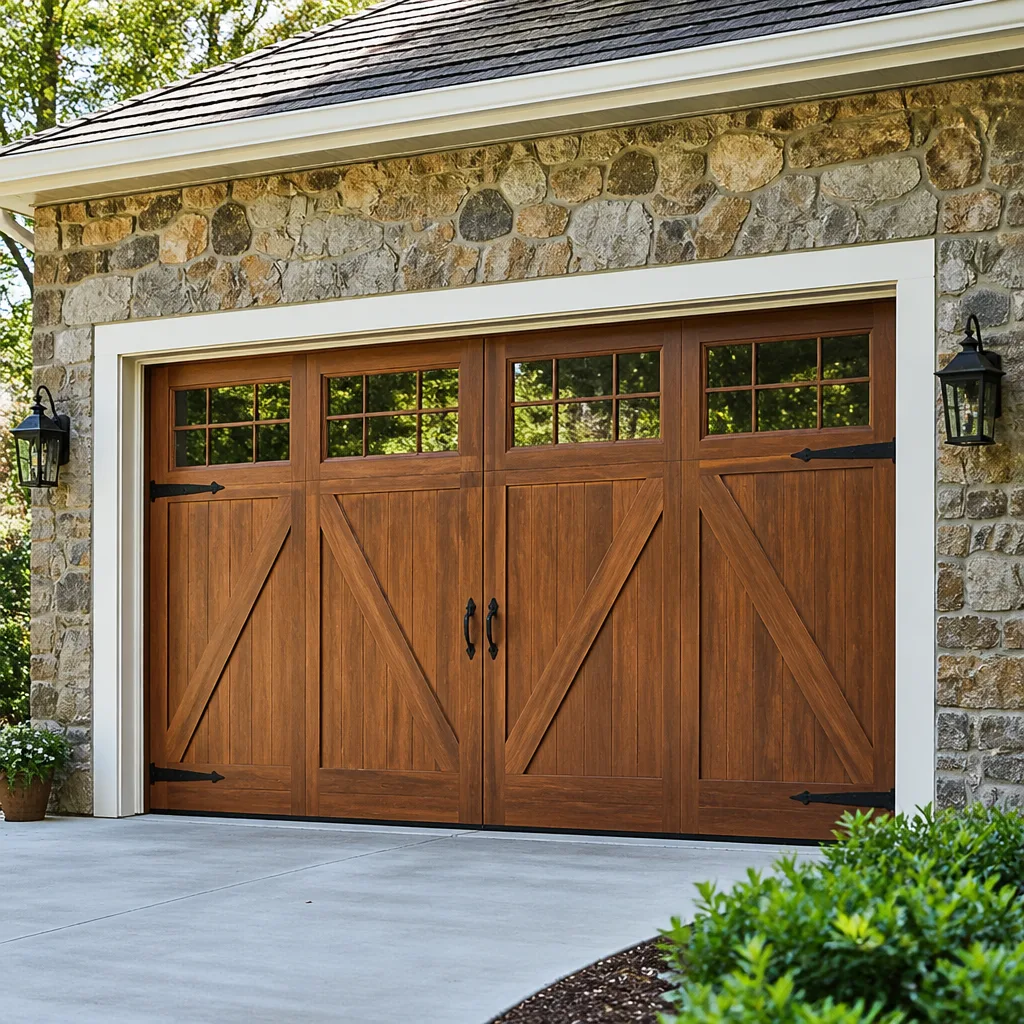 Carriage house
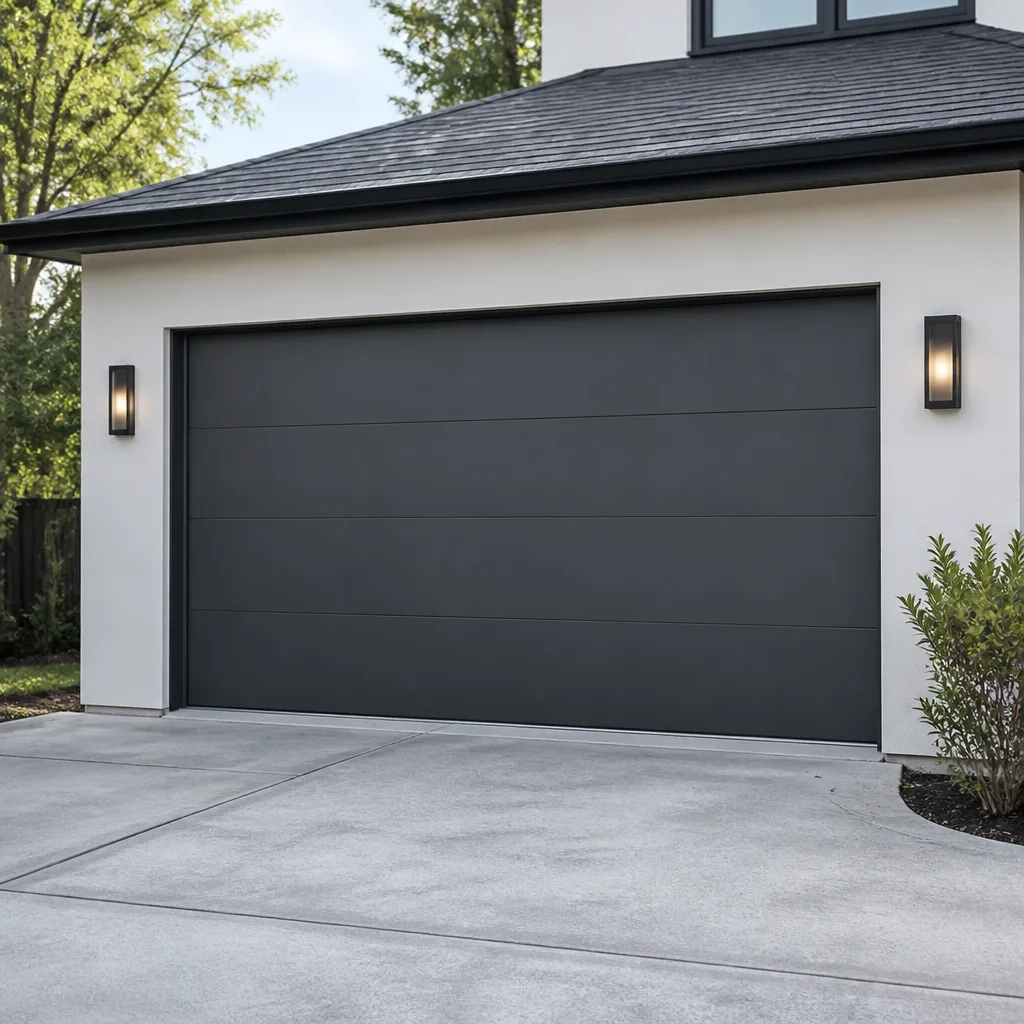 Modern flush
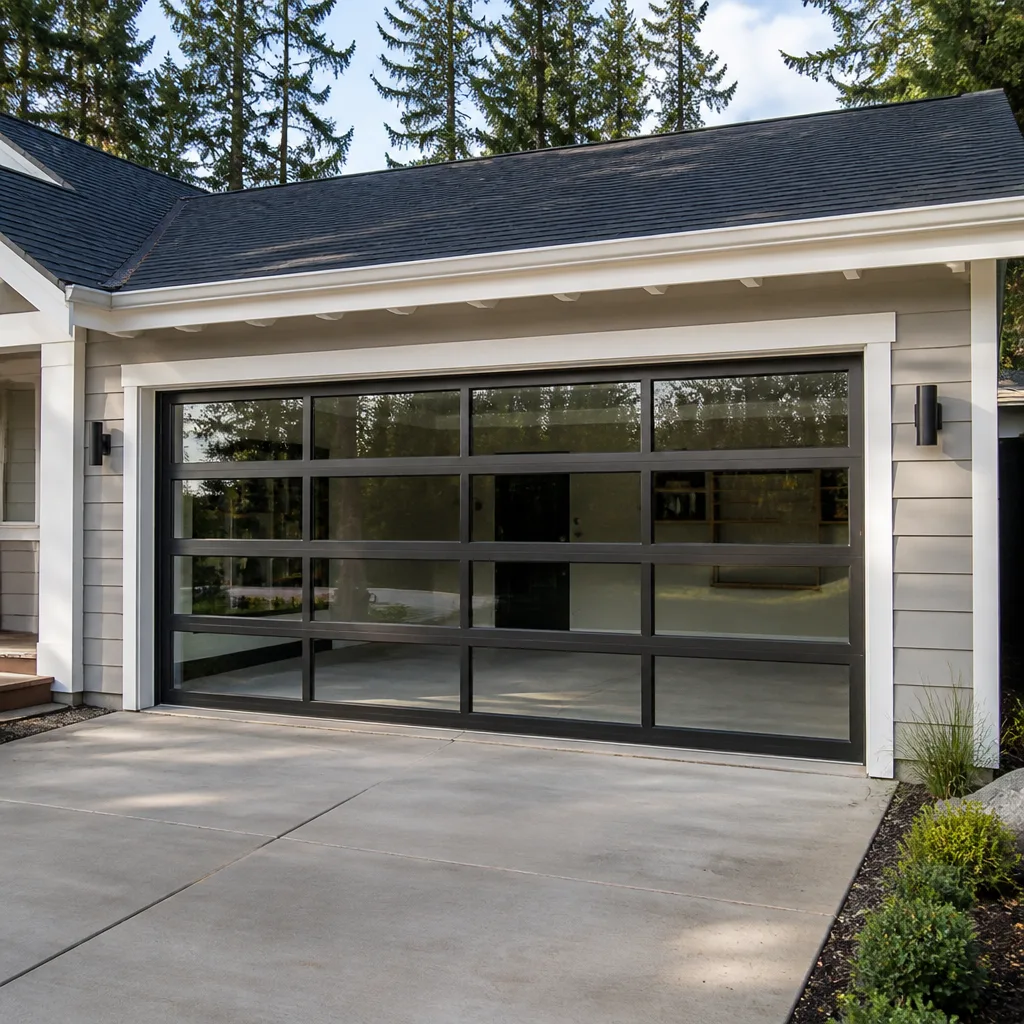 Full-view glass
 LiftMaster openers
 Chamberlain openers
Full 25-point door and opener safety check with every visit - springs, cables, rollers, tracks, and your LiftMaster or Chamberlain opener included
You get a price before we start. It does not change when the pro arrives.
Get your free estimateGarage Door Repair Maintenance Schedule: What to Do and When
Rollers are rated for 10,000 to 20,000 cycles. A household that opens and closes the garage twice a day crosses 10,000 cycles in under 14 years. Here is where that math gets interesting: in Town Center’s humid summers, rollers often degrade visibly by year seven. The rating says 14 years. The climate says seven. That gap is why a single annual tune-up is the wrong shape for most garages. Your door has 12 to 15 moving parts, and they wear at wildly different rates. This guide lays out what to check every 90 days, every six months, and once a year, and explains why each interval exists.
Quick Answer
A garage door maintenance schedule should run on three tracks: a 90-day check of lubricated and rolled parts (rollers, hinges, springs, tracks), a 6-month balance and safety-reverse test, and an annual full inspection of springs, cables, hardware torque, and weather seals. Lubricant choice matters as much as frequency – white lithium grease belongs on moving pivot points and hinges, silicone spray belongs on the rollers and tracks, and mixing the two up accelerates wear rather than slowing it.
Styles & brands we work with
- Raised-panel steel
- Carriage house
- Modern flush
- Full-view glass
- LiftMaster openers
- Chamberlain openers
Table of Contents
- Why 90 days, 6 months, and 12 months are the right intervals
- The 90-day maintenance list
- The 6-month list: balance and safety-reverse tests
- The annual list: springs, cables, hardware, seals
- Which lubricant goes where (and why they aren’t interchangeable)
- The balance test: how it works and what fails
- Warranty traps on major brands
- Town Center seasonal addendum: after summer humidity and after the first freeze
Why 90 Days, 6 Months, and 12 Months Are the Right Intervals
A spring doesn’t wear at the same rate as a roller. A roller doesn’t wear at the same rate as a hinge pin. And none of them wear at the same rate as a weather seal. If you schedule everything on the same day every year, you’ll over-service the seals and under-service the rollers. The right structure follows the wear cycle of each component.
Here is the matching we use on every garage door we service in Town Center:
- Everything that pivots or rolls (hinges, rollers, torsion spring coils): 90 days. Friction builds up fast in humidity, and a dry hinge pin adds load to the opener motor within weeks.
- Everything that lifts and balances (springs, cables, the door itself): 6 months for a balance check, 12 months for a full inspection of cable condition and spring tension.
- Everything that seals or weatherproofs: 12 months. Bottom seals and side jambs crack at a predictable rate, and a cracked seal is a one-dollar fix that turns into a water problem if ignored.
- Openers and safety sensors: 6 months. The reverse test takes two minutes and tells you immediately whether the safety system is working.
Once you understand this mapping, the schedule stops being a checklist and starts being a system. You’re servicing each part when it actually needs it, not when the calendar happens to line up.
The 90-Day Maintenance List
This is the list most homeowners skip, and it’s the one that matters most. A garage door in Town Center runs through roughly 30 to 60 full open-and-close cycles in 90 days. Each cycle flexes every roller, every hinge, and every coil of the torsion spring. By 90 days, dry friction points are already showing the first signs of drag.
What to check every 90 days:
- Lubricate hinge pins. A single drop of white lithium grease on each hinge pivot point. Ten hinges means ten drops. Wipe any excess – grease attracts dust.
- Lubricate rollers. Silicone spray on the roller stems and the track where they travel. Never use grease on the track itself; it collects grit and turns the track into sandpaper.
- Check roller wear visually. Nylon rollers should be smooth and white. Steel rollers should show no flat spots. Any roller that wobbles in its stem or shows a flat side needs replacement.
- Wipe down and inspect the track. A dry rag along the inside of the track. Look for dents, rust, or debris. Tracks that were bumped by a car door will show a dimple that grabs a roller.
- Test the torsion spring by sound, not by touch. A spring that “pings” or groans during operation is telling you something. Never put your hands or tools near a torsion spring under tension – that’s a trained professional’s job.
- Listen on the way up and on the way down. A door that grinds on the way up and clunks on the way down has two different issues. Note the difference and address each separately.
This whole sequence should take 15 to 20 minutes on a properly functioning door. If it’s taking longer because things keep sticking, that itself is a signal.
The 6-Month List: Balance and Safety-Reverse Tests
Twice a year, run the two tests that tell you whether the door is safe to operate unattended. Both are simple, and both will catch problems long before they turn into a stuck door or a sagging spring.
Balance Test
Disconnect the opener using the manual release cord. A properly balanced door should lift by hand to waist height and stay there when you let go. If it slides up, the springs are over-tensioned. If it drops, they’re under-tensioned or one spring of a matched pair has failed. You can do this part yourself.
Safety-Reverse Test
With the door open, place a two-by-four flat on the ground directly under the door. Hit the close button. The door should reverse the moment it touches the board. If it doesn’t, the safety system is out of adjustment or the sensors are misaligned – this is a call-us-now problem, not a next-week problem.
Both tests also belong in a written log. When we do a 6-month service call in Town Center, we note spring tension, cable condition, opener alignment, and sensor alignment, so a homeowner can see the trend rather than a single snapshot.
The Annual List: Springs, Cables, Hardware, Seals
Once a year, walk through the deeper inspection – the parts that either last for a decade or fail without warning, with little in between. This is also the point where you decide whether the door is worth keeping or whether a replacement makes better sense.
- Inspect the torsion spring coil. Look for gaps, a visible crack, or a stretched section. A torsion spring that has lost tension shows as a gap in the coils – again, visual inspection only, and never with your hands.
- Inspect the lift cables. Frayed strands, kinks, or rust on the cables mean replacement. Cables carry the full weight of the door and a cable failure is a serious safety event.
- Check the bottom bracket and hinges for looseness. A loose bracket is a rattle that becomes a structural failure. Tighten any bolts that have worked loose over the year.
- Inspect the weather seal. Bottom rubber and side jamb seal both crack with age. A cracked seal lets in air, water, and pests. Replacing the bottom seal is inexpensive.
- Test the opener force setting. A door that requires more force than the opener’s rated setting is telling you something has changed – a dry hinge, a worn roller, or a sagging spring.
- Check the photo-eye alignment. The two sensors should see each other across the opening. Sometimes a spider web or a bumped sensor is the whole issue.
- Consider a full inspection by a technician if anything looks borderline. A trained tech has seen enough doors to know which “borderline” items are actually fine and which are on their way out.
If the annual inspection raises questions about a whole-door replacement, we do that too – and we don’t push it unless a repair genuinely won’t hold. For a broader look at the repair side of that decision, see garage door repair.
Which Lubricant Goes Where (and Why They Aren’t Interchangeable)
The single most common maintenance mistake we see is applying the wrong lubricant to the wrong component. White lithium grease is not the same as silicone spray, and treating them as interchangeable shortens the life of the parts you’re trying to protect.
- White lithium grease: hinge pins, pivot points, springs to a very light degree, and the opener’s chain or screw drive (on some models – check the opener manual). It’s designed for high-pressure metal-on-metal contact, where it stays put and doesn’t get flung off.
- Silicone spray: roller stems, the track itself, and any rubber seal. Silicone is dry, doesn’t attract dust, and won’t ruin the rubber. Greasing a track is a mistake that turns the track into a dust magnet and grinds the rollers.
- Never use: WD-40 as a long-term lubricant (it’s a solvent, not a grease), motor oil, cooking oil, or anything petroleum-based on rubber seals.
One practical note for Town Center humidity: silicone spray on rollers should be applied more often in the summer months than in the winter. The humidity in a Town Center garage in July is genuinely higher than in a dryer climate, and rollers in a moist environment pick up grit faster. That’s the climate reason behind the “rollers degrade by year seven” point – the lubrication interval that a dryer climate tolerates is not enough here.
The Balance Test: How It Works and What Fails
The balance test is the single most informative two-minute check a homeowner can run. It tells you whether the springs are doing their job, whether the door is fighting the opener, and whether the safety-reverse test is going to be meaningful.
How to run it:
- Close the door fully.
- Pull the manual release cord to disconnect the opener.
- Lift the door by hand to roughly waist height (about three feet).
- Let go. Watch what the door does.
What the results mean:
- Door holds at waist height: pass. Springs are matched to the door weight and both are within tolerance.
- Door slowly rises: springs are over-tensioned or the door is lighter than the springs assume. Call a technician – over-tensioned springs put excess load on the hinges and opener.
- Door drops: springs are under-tensioned or one has failed. Don’t operate the door; a door with a failed spring can fall.
- Door holds in one place but drops from another: likely a single failed spring on a two-spring setup. This is common, and it’s a same-day service issue.
The balance test is safe to run because you’re lifting a properly functioning door by hand – the danger zone is at the spring itself, not at the door handle. For anything that involves the spring or the cables, call a professional. Springs are under enough tension to cause serious injury, and they’re the reason we treat spring repair as its own specialized service rather than a general repair call.
Warranty Traps on Major Brands
If your door came with a warranty from Clopay, Amarr, Wayne Dalton, or another major manufacturer, most of those warranties have maintenance-related terms buried in the fine print. A few traps worth knowing:
- Improper lubrication voids the warranty faster than neglect. Applying the wrong lubricant, or over-lubricating with grease, can void coverage on hinges and rollers. Follow the manual for each brand.
- Paint and finish warranties are conditional. On Clopay and Amarr steel doors, the finish warranty depends on keeping the door clean and repaired. A small rust spot that’s left to grow is on you, not on the manufacturer.
- Opener warranties usually require a professional install for full coverage. Many LiftMaster and Genie warranties are shorter or void when the unit was installed by a non-professional. If the opener is still under warranty, save the installation paperwork.
- Spring warranties are typically labor-excluded. The spring itself may be covered; the labor to replace it usually isn’t.
We work on the brand you already have, and that means we’ve seen how each manufacturer handles claims. If a warranty question is in play, we can point you toward the right clause and do the work that keeps you covered. For opener-specific questions, garage door opener repair is the page to start with.
Town Center Seasonal Addendum: After Summer Humidity and After the First Freeze
No maintenance schedule works the same in every climate. Town Center has two seasonal pressure points that a generic schedule misses: the humid summer stretch, and the first hard freeze of the winter.
After summer humidity peaks
July and August are when wooden door panels swell, metal tracks gain condensation, and roller lubrication breaks down faster than usual. The post-summer check is short:
- Re-spray rollers with silicone; humidity-driven grit is the biggest seasonal wear driver on Town Center doors.
- Check the bottom seal for early cracking. Summer heat plus moisture are what break the rubber down.
- Look at any wooden sections for swelling at the joints. Wood doors on Clopay and Amarr models need a closer look at the end of summer than at the start.
- Test the safety reverse again. A misaligned sensor from a bump is more obvious in warmer weather when the door operates more often.
After the first freeze
The first hard freeze in Town Center exposes any door that’s been operating on old lubricant. Before the first freeze, or immediately after it:
- Check the track for ice or debris at the floor transition – a door that hits something on the way down is a door that fights its opener.
- Test the opener’s force setting. Cold rubber seals are stiffer, and an opener that was marginal at 80 degrees will start straining at 30.
- Inspect cables for any visible change. Cold can make an already-frayed cable more fragile, and cables are not a DIY repair.
- Run the balance test once more. Springs lose a little tension in cold weather, and a door that passed in October can fail the balance test by December.
If anything in the seasonal addendum looks off, that’s the right moment to have a technician look at it. We do this work across Town Center every season, and the seasonal check catches most of the issues that would otherwise become emergency calls. When a door does fail and you’re locked out or stuck with a door open overnight, see Garage Door Repair Town Center for emergency availability and next steps.
Common Mistakes to Avoid
- Greasing the track. It attracts grit and turns the track into sandpaper. Use silicone spray instead, and apply it sparingly.
- Using WD-40 as a long-term lubricant. It’s a solvent for loosening stuck parts, not a grease for protecting them. It’ll dry out a hinge faster than doing nothing.
- Assuming the annual tune-up covers everything. A yearly tune-up misses the 90-day parts – rollers, hinges, and spring coils – and over-services the seals. Split the schedule by wear cycle.
- Skipping the balance test because the door “seems fine.” A door with one failed spring can feel fine right up until the second one goes. In Town Center humidity, spring fatigue tends to show up in early summer.
- Adjusting the torsion spring yourself. This is the one maintenance task that genuinely belongs to a professional. Springs under tension can cause serious injury, and there’s no safe way to do it without the right tools and training.
- Ignoring a single rust spot on a steel door. On Clopay and Amarr steel doors, an untreated rust spot spreads and eventually voids the finish warranty. Clean and touch up spots when they first appear.
- Assuming the opener will “last forever.” LiftMaster and Genie openers have a service life, and the 6-month reverse test is the only way you’ll know when yours is getting close to it.
See the difference
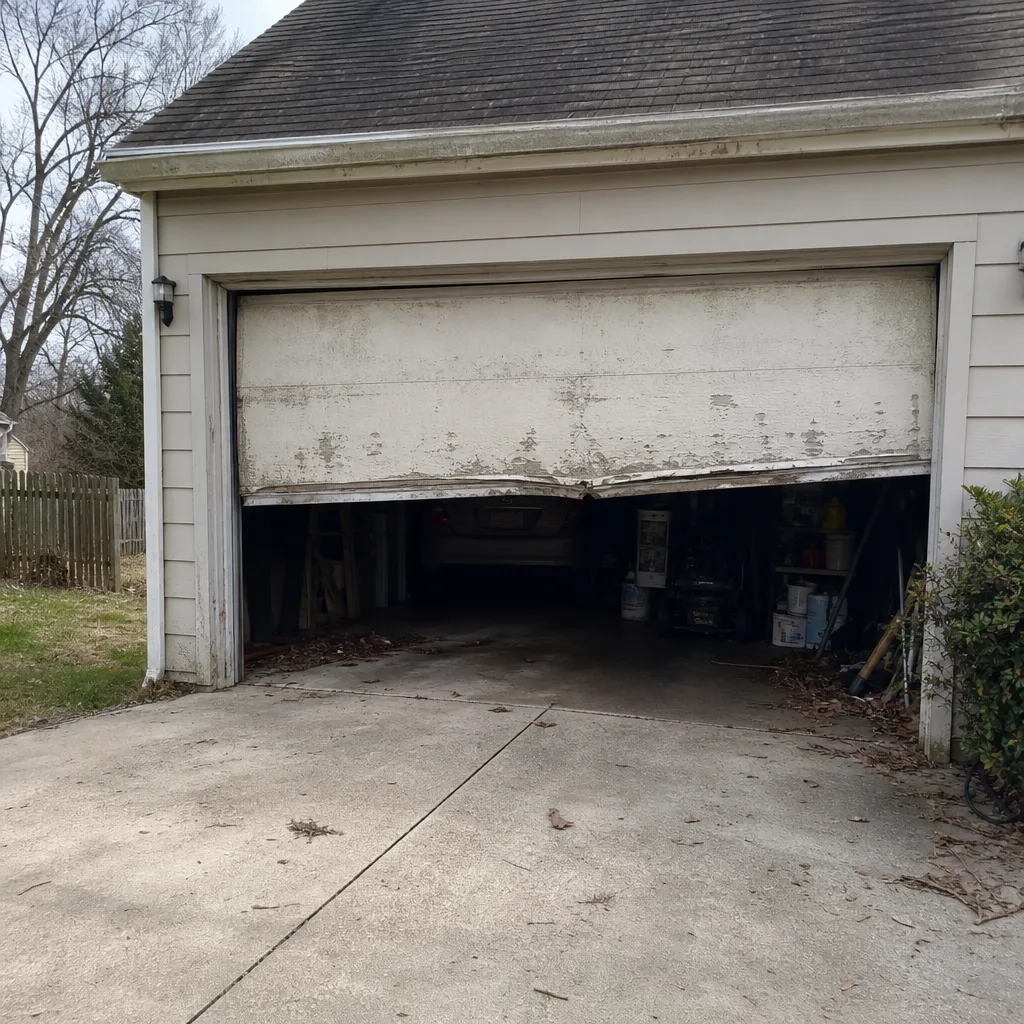 Before
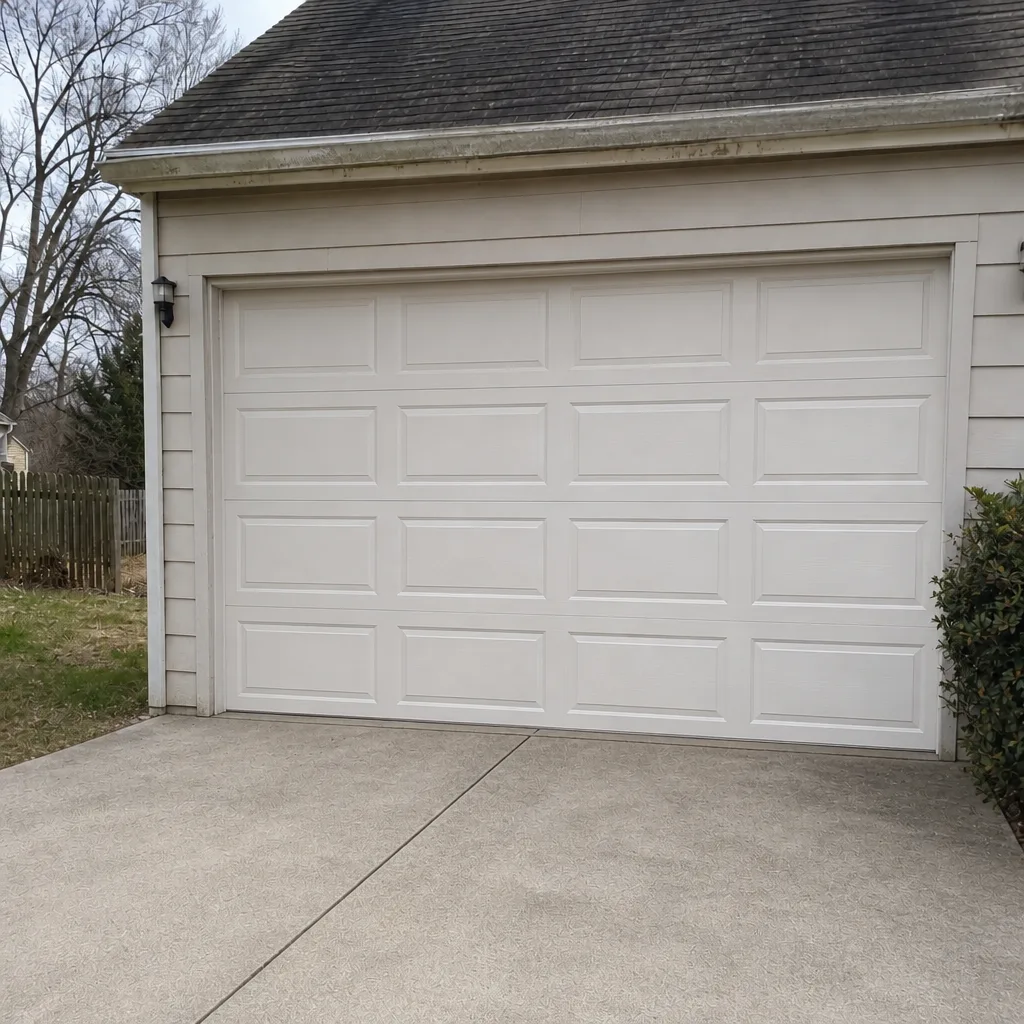 After
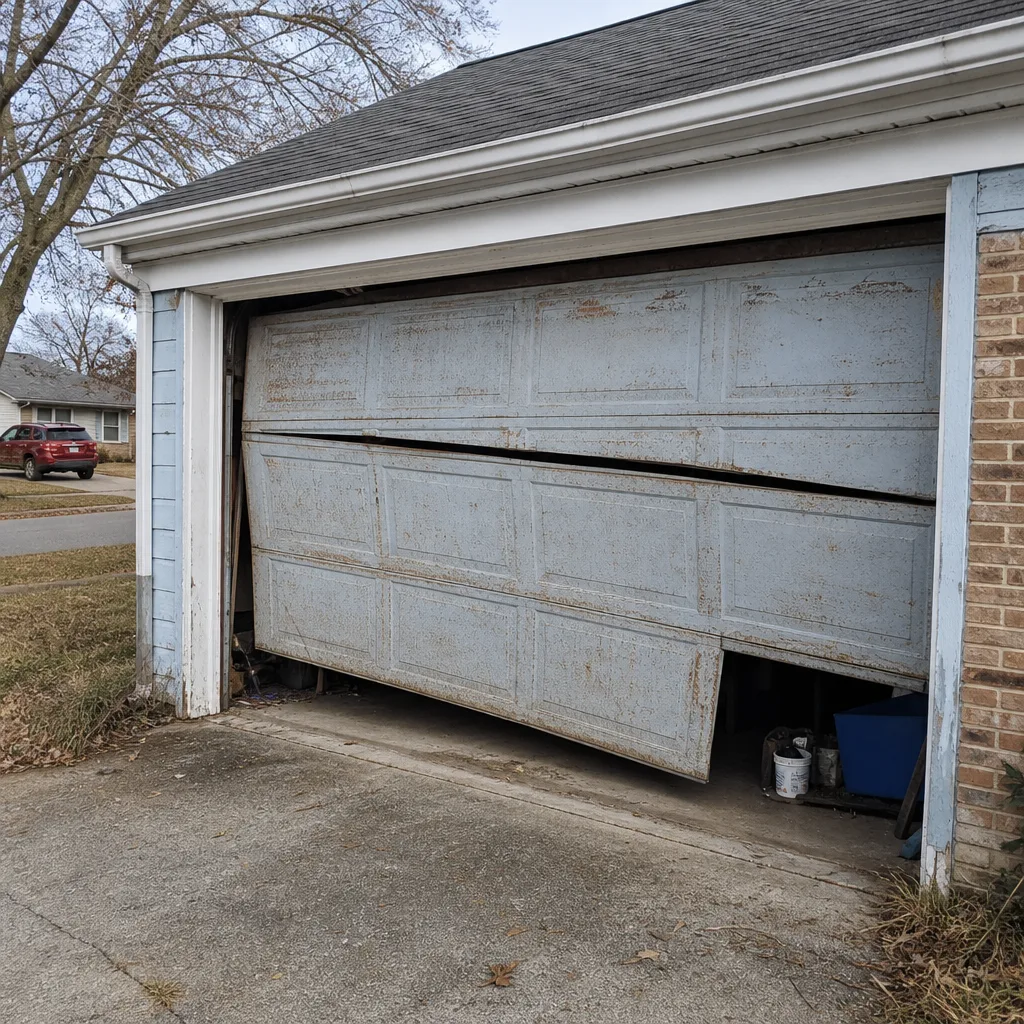 Before
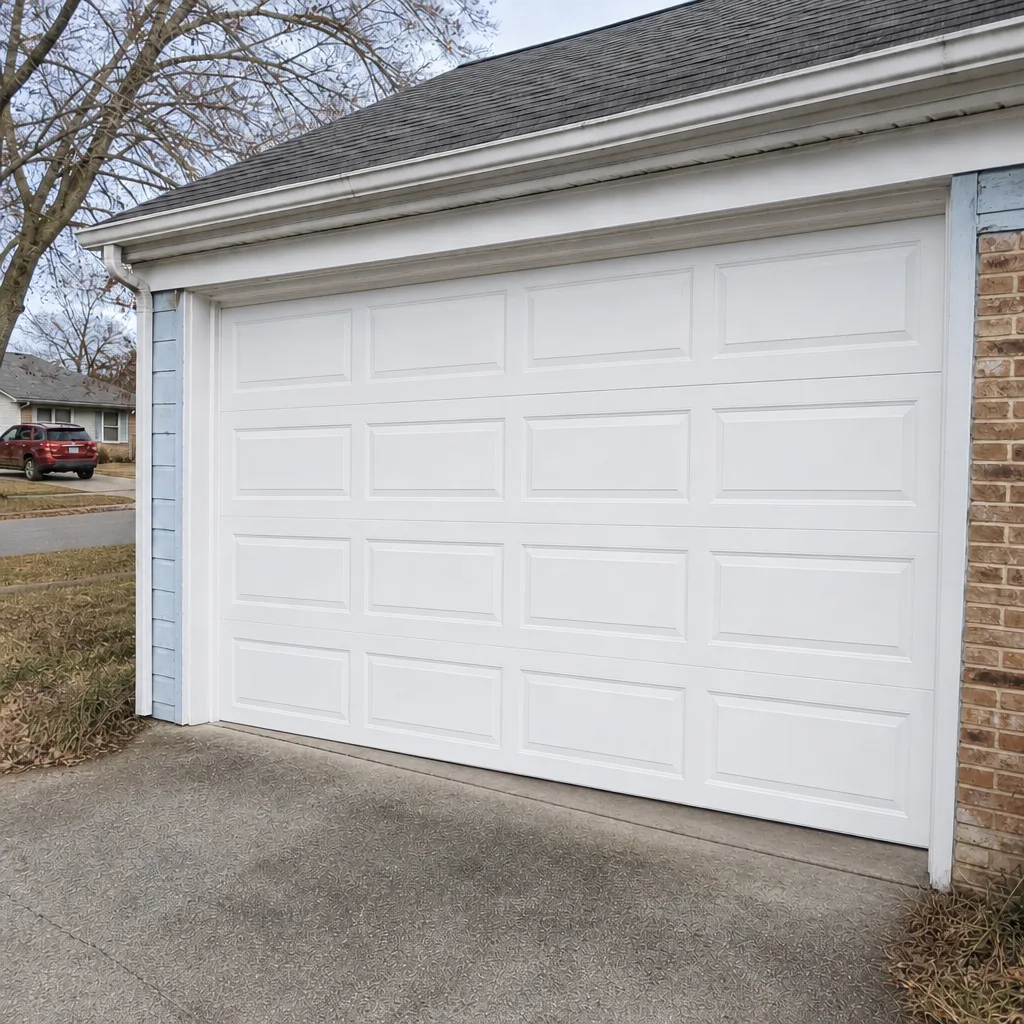 After
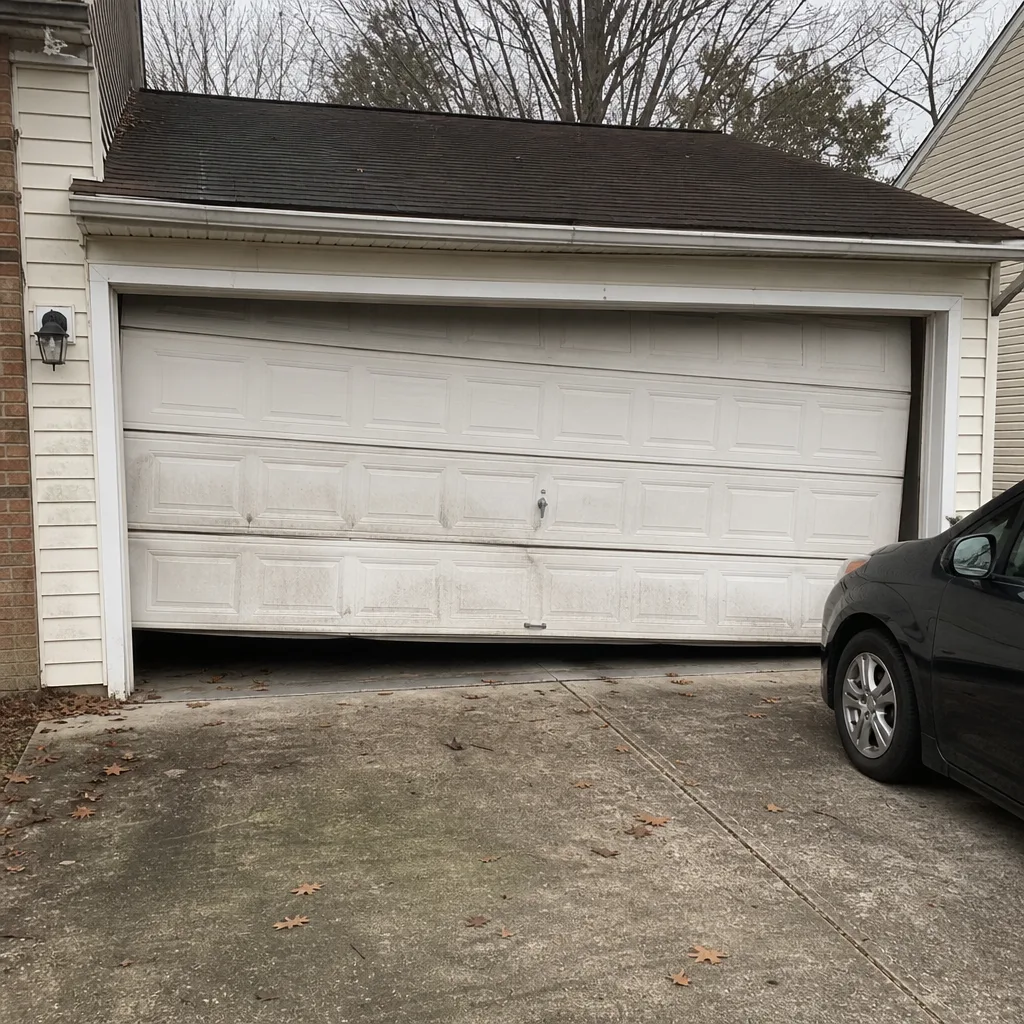 Before
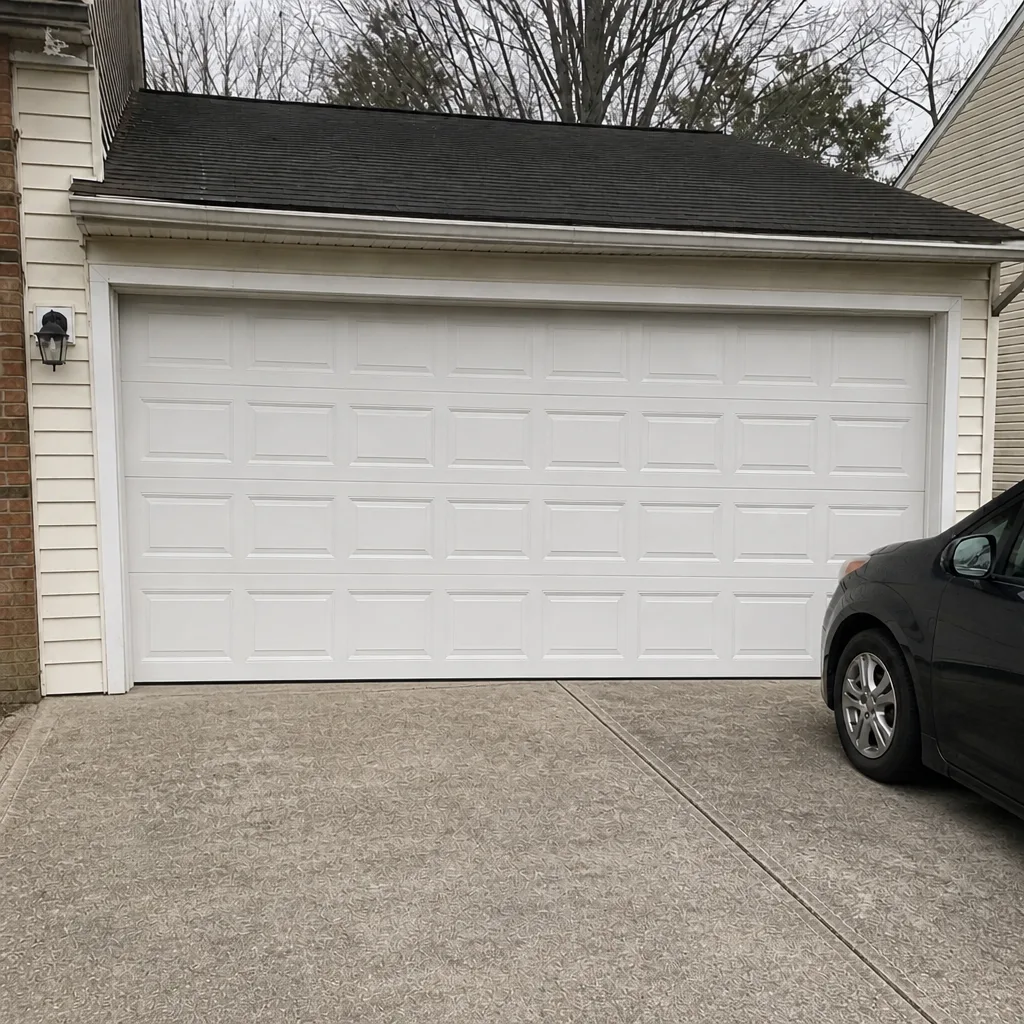 After
When to Call a Professional
Some maintenance you can handle at home; some you shouldn’t. Here’s where we draw the line. Call a professional when the balance test shows the door rising or dropping without control, when a torsion spring shows any visible gap or crack, when a cable is frayed, kinked, or visibly rusty, or when the safety reverse fails and the sensors won’t realign. Those are all safety issues, and they tend to get worse rather than better. Call immediately if the door is stuck open, the opener runs but the door doesn’t move, or one spring has failed on a two-spring setup.
Our technicians have up to 8 years of experience and work on the major brands you already have – Genie, Clopay, Amarr, Wayne Dalton, and more. Garage Door Repair Town Center offers free estimates in Town Center – call (833) 509-3459 for the exact price on your door, quoted and agreed before any work starts. If the door is beyond saving, we also handle full installation, so you don’t need a second call to a different company.
Frequently Asked Questions
A garage door should get a light 90-day lubrication and visual check, a 6-month balance and safety-reverse test, and a full annual inspection of springs, cables, and hardware. The yearly tune-up most companies offer is only the annual layer of a schedule that should actually run on three different intervals. In Town Center’s humid summers, the 90-day check matters more than it would in a dryer climate.
Silicone spray goes on rollers and tracks; white lithium grease goes on hinge pins and pivot points. They aren’t interchangeable. Greasing a roller track attracts dust and grinds the rollers, and using WD-40 as a long-term lubricant dries out the parts it’s supposed to protect. Call (833) 509-3459 if you’re not sure which parts on your door need which lubricant – estimates are free.
Run the balance test: disconnect the opener, lift the door to waist height, and let go. If the door drops, one or both springs have failed or lost tension and need a professional look. Visible gaps or cracks in the spring coils also mean replacement. Don’t inspect or adjust a torsion spring yourself – that’s a trained technician’s job. Call (833) 509-3459 to book a spring check.
Yes, for the 90-day lubrication and visual checks and for running the 6-month balance and safety-reverse tests. Anything that involves adjusting or replacing a torsion spring, cable, or bottom bracket should go to a professional – those are the parts that cause serious injury when they fail. We work on the brands most Town Center homes already have, from Genie to Clopay.
Test the opener’s force setting and run the balance test again after the first hard freeze in Town Center. Cold makes seals stiffer and temporarily reduces spring tension, so a door that passed in October can fail the balance test in December. Check the track at the floor transition for ice or debris before running the door.
Yes – many warranties from Clopay, Amarr, Wayne Dalton, and other manufacturers have maintenance terms in the fine print. Improper lubrication can void hinge or roller coverage, and untreated rust can void a finish warranty. If you’re not sure which brands cover what, call (833) 509-3459 – we work with all the major brands and can point you toward the right clause.
The Bottom Line
The right maintenance schedule for a garage door isn’t one annual tune-up. It’s three tracks: a 90-day check of lubricated and rolled parts, a 6-month balance and safety-reverse test, and a 12-month inspection of springs, cables, hardware, and seals. The lubricant matters as much as the interval – white lithium grease on hinges and pivots, silicone spray on rollers and tracks, never the other way round. In Town Center, add the post-summer humidity check and the first-freeze check, because our climate puts more stress on rollers and seals than a dryer climate does. When a spring, cable, or balance test fails, call a professional. That’s not a maintenance task, it’s a safety call. When a repair turns into a replacement, garage door installation is the natural next step, and one call covers both.
Ready for a licensed, insured professional to look at your door? Call Garage Door Repair Town Center at (833) 509-3459 for a free estimate – we’ll quote the work in writing and agree on the price before anything starts.
Written by the team at Garage Door Repair Town Center.