Last updated November 22, 2026
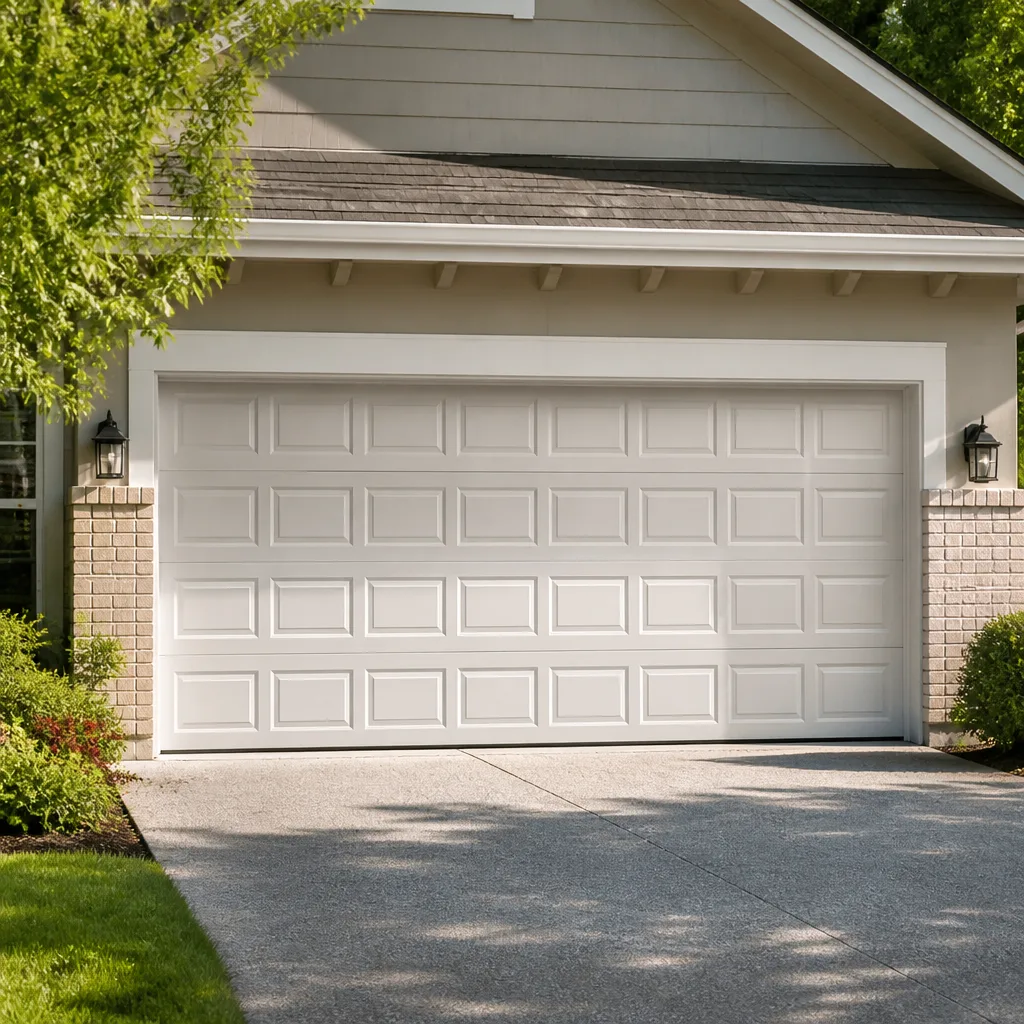 Raised-panel steel
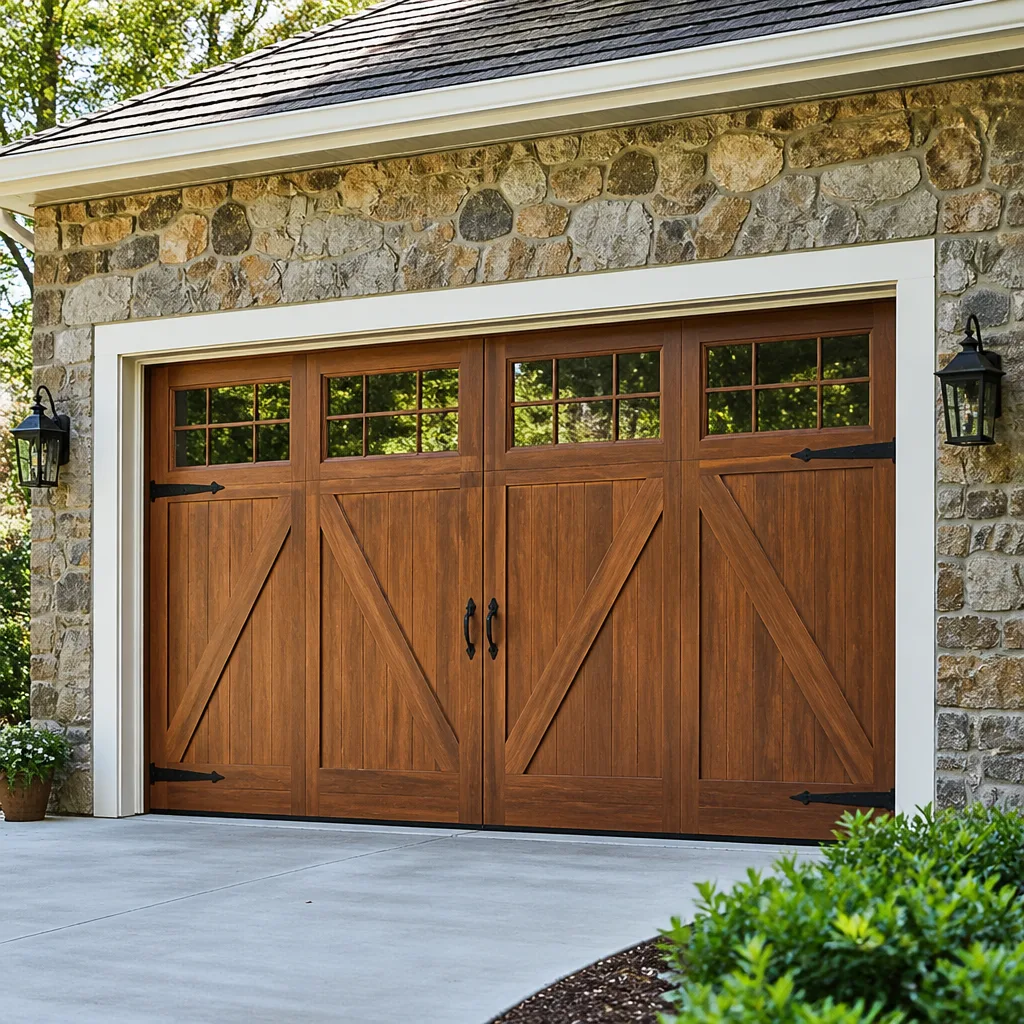 Carriage house
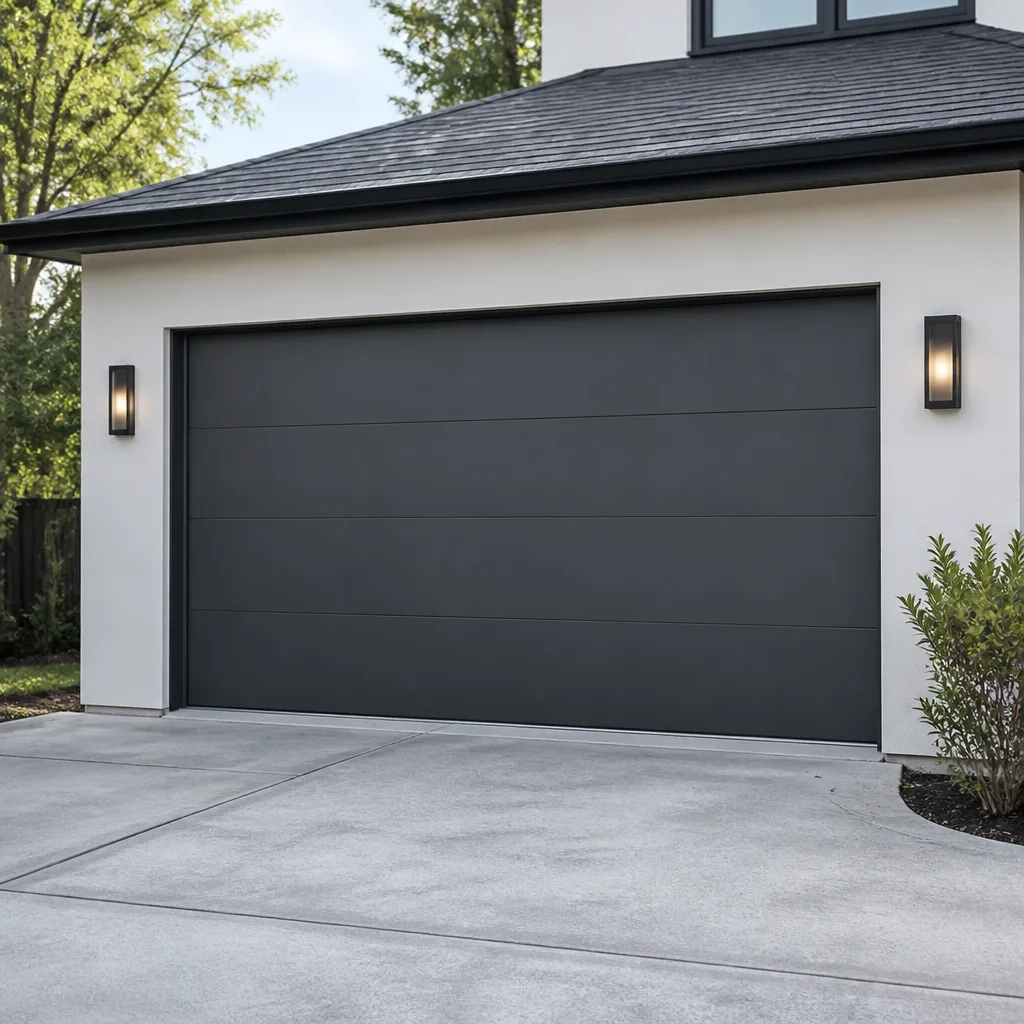 Modern flush
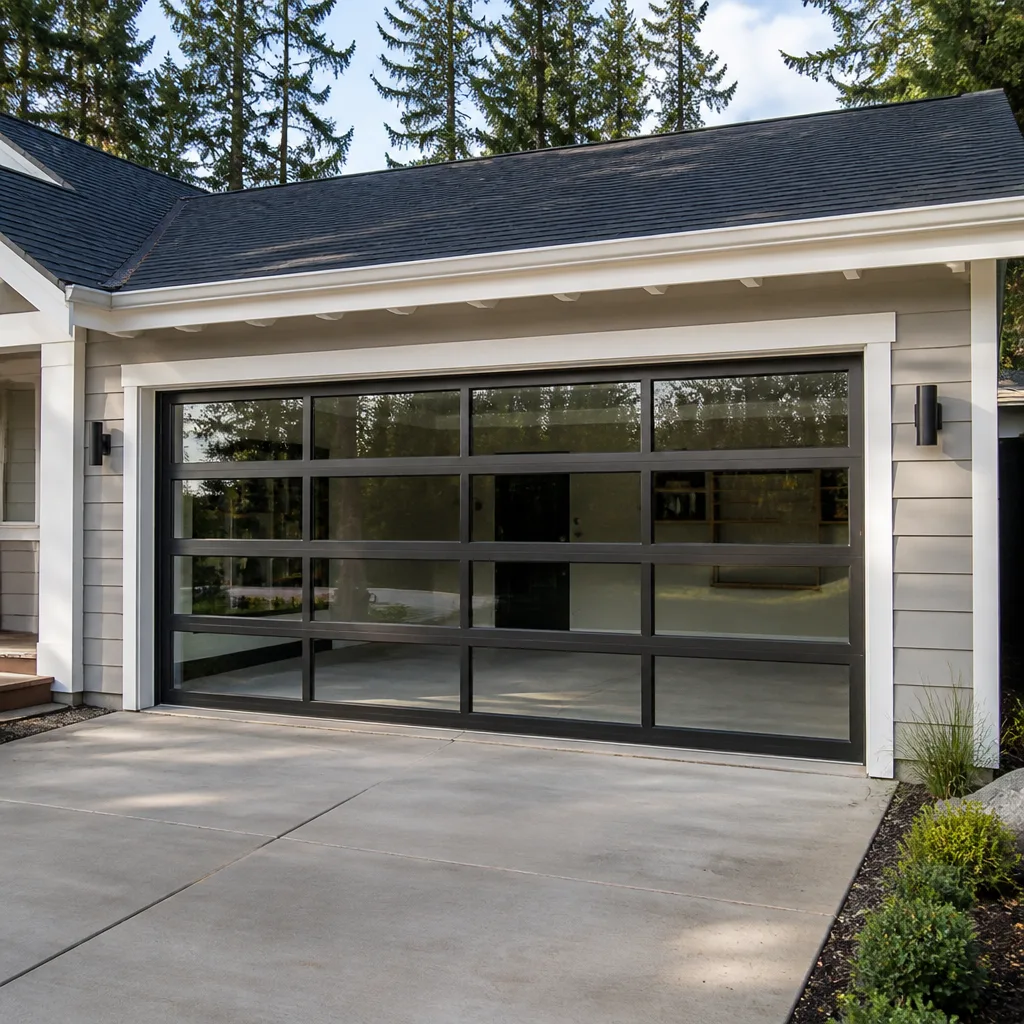 Full-view glass
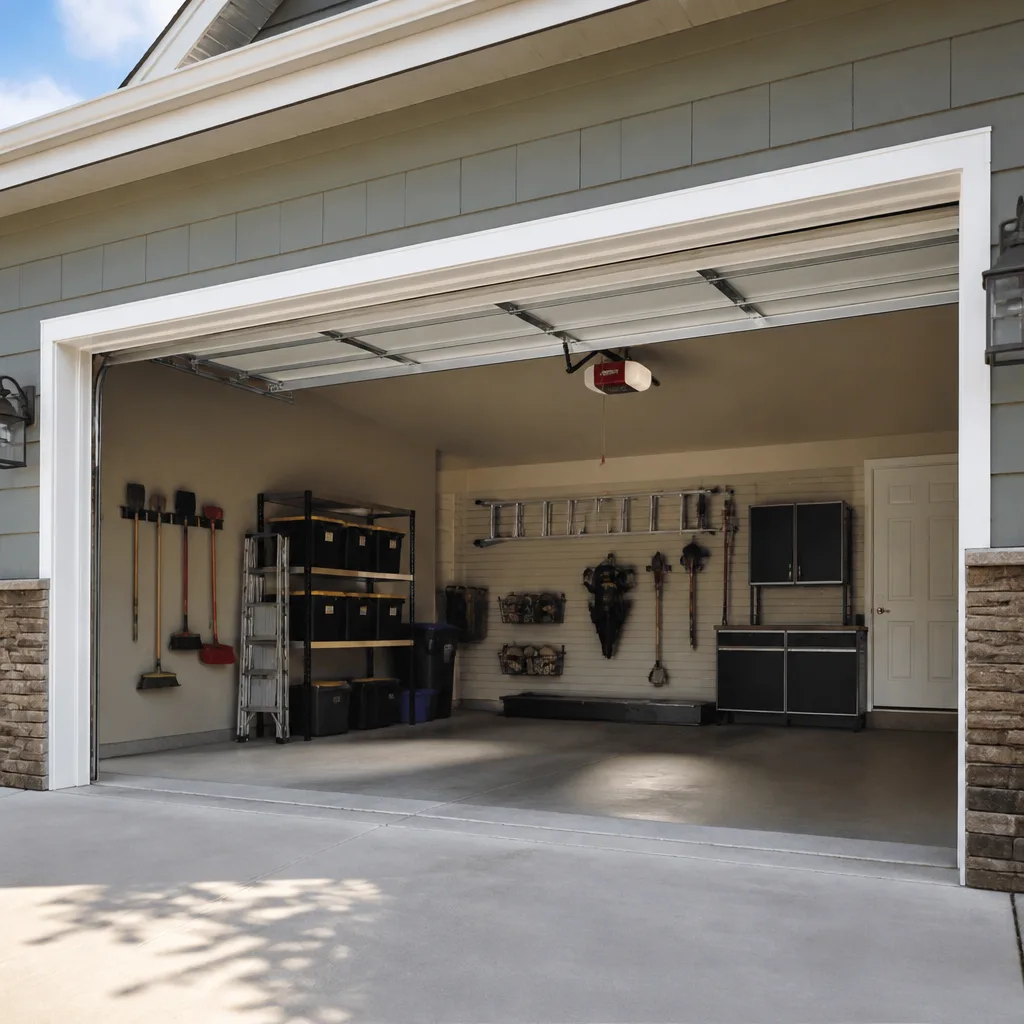 LiftMaster openers
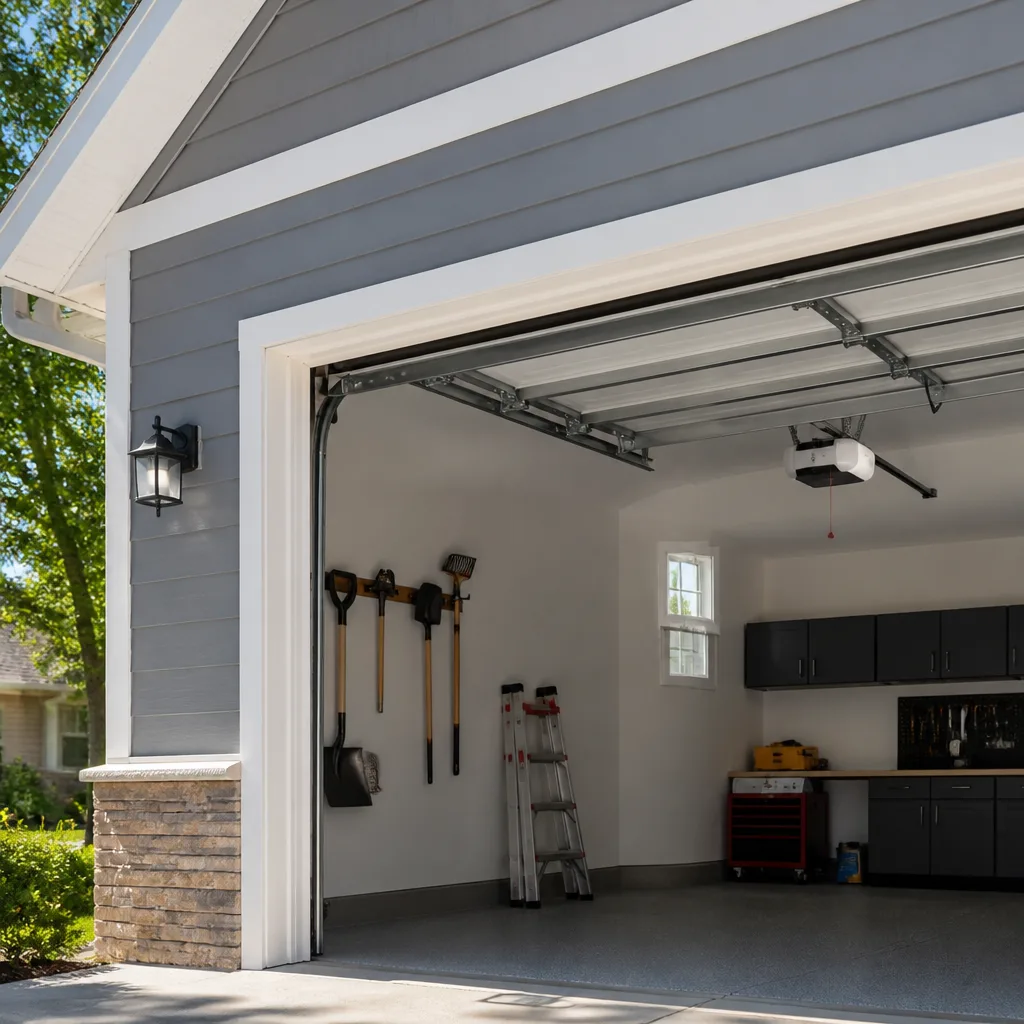 Chamberlain openers
Full 25-point door and opener safety check with every visit - springs, cables, rollers, tracks, and your LiftMaster or Chamberlain opener included
You get a price before we start. It does not change when the pro arrives.
Get your free estimateHow to Hire a Garage Door Contractor in Town Center: A Step-by-Step Guide
Most garage door contractor complaints don’t start with a technician who can’t fix the door. They start with a number spoken on the phone, then a different number on the invoice. The gap between those two figures is where a hiring decision quietly goes wrong, and it rarely looks like a scam while it’s happening. It looks like a quote that “adjusted once we saw the situation,” a parts charge nobody itemized, or an upsell accepted mid-job because the door was already apart in the driveway. This guide walks through the five conversation moments before any work begins where you can tell a straight-shooting technician from one building margin into your urgency. You’ll leave knowing what to ask on the phone, what a real written estimate contains, how to check a Virginia contractor’s credentials in five minutes, and how to read a warranty before you sign. Every step is written from what we’ve learned running garage door calls in Town Center.
Styles & brands we work with
- Raised-panel steel
- Carriage house
- Modern flush
- Full-view glass
- LiftMaster openers
- Chamberlain openers
Quick Answer
To hire a garage door contractor in Town Center, ask four things before you book: how the price is determined, whether the technician carries the parts commonly needed for your door on the same visit, how licensing and insurance are verifiable in Virginia, and what the written quote covers line by line. A legitimate company gives you a written, itemized price before work starts and will not change it because the job was harder than it looked on the phone. If a contractor won’t put numbers in writing or won’t let you compare parts and labor separately, treat that as your answer and call someone else.
Table of Contents
- The Five Conversation Moments That Decide Your Hire
- What to Ask Before You Schedule the Visit
- Does the Contractor Stock Parts or Order Them?
- What a Legitimate Itemized Estimate Looks Like
- How to Verify Licensing and Insurance in Virginia
- Red Flags During the Service Call Itself
- How to Evaluate a Warranty Offer
- Repair or Replace: Who Decides and How
- Common Mistakes to Avoid
- When to Call a Professional
- Frequently Asked Questions
- The Bottom Line
The Five Conversation Moments That Decide Your Hire
A garage door call has five natural checkpoints before a single bolt turns. The first is the initial phone conversation, when you describe the symptom and get a response. The second is the scheduling exchange, when you find out whether the technician can bring the parts needed or whether you’ll be waiting on an order. The third is the price conversation, which is where the written estimate either appears or doesn’t. The fourth is the work itself, when pressure to add services shows its face. The fifth is the paperwork after the job, when the warranty and the replaced parts either get handed to you or quietly disappear.
Most homeowners focus only on the first moment. That’s the one where a company sounds most personable, and it’s the easiest to rehearse. The later four moments are where a straight-shooting contractor separates from one who quotes low and recovers margin on the driveway. In Town Center, where garage doors face intense daily use and summer heat can put real strain on torsion springs and opener motors, the volume of service calls means plenty of contractors are competing for your attention. The skill is not picking the one with the friendliest phone manner. It’s picking the one who stays consistent at all five checkpoints.
The five checkpoints, in order
- Initial call: Can they describe what’s likely wrong and how they’ll confirm it, without quoting a number sight unseen?
- Scheduling: Do they name which parts they’ll bring, or do they say “we’ll have to see”?
- Price: Does a written, itemized on-site estimate arrive before work begins?
- The work: Do they diagnose first, then recommend, with no pressure to decide before the diagnosis is complete?
- After: Do you get the replaced parts and a written warranty, with manufacturer and installer coverage explained?
Hold each company you talk to against that list. The pattern that emerges is a far better guide than a single phone call, and it costs you nothing to run it. For the full range of what a qualified company should be able to handle, from springs to openers to full doors, see our garage door repair service page.
What to Ask Before You Schedule the Visit
The phone call is your best chance to gather information while the other side has no leverage. A broken door that won’t close creates urgency, and urgency is what a high-pressure contractor counts on. Slow the call down with questions that need specific answers rather than vague reassurances. You’re not trying to trip anyone up. You’re finding out whether they know their own operation well enough to answer plainly.
- “Can you give me a typical range for this symptom, and what is included in it?” An honest contractor tells you what drives the price up or down (spring type, door weight, opener model) rather than committing to a final number before seeing the door.
- “Will the technician bring the likely parts on the same visit?” This is your one-visit-or-two question. Springs, rollers, cables, and common opener components are usually stocked by a well-run operation; special-order panels are not.
- “Are you licensed and insured as a Virginia contractor, and where can I check that?” A serious contractor answers without flinching. More on this below.
- “Do you work on the brand I have, or recommend a replacement because it’s outside your range?” Brand experience matters. A company that works on Genie, Clopay, Amarr, and Wayne Dalton equipment routinely has seen the failure patterns those systems produce. Ask about your specific model.
- “Do you handle spring failures?” A torsion spring under tension is one of the most dangerous components in any home. A company that treats spring repair as routine rather than exceptional is a company with real mechanical depth.
- “Is the price quoted on-site before work starts, and will it change if the job takes longer?” This question separates operations that quote before the diagnosis from ones that “see how it goes.”
Write the answers down. If you’re calling three companies, the comparison writes itself, and you’ll find that the clearest answers come from the companies most comfortable with their own pricing. If your door is stuck and you need a bookable call, the same questions still apply; ask them while booking rather than at the door. For the time-sensitive version of this, our Garage Door Repair Town Center home page explains how same-day work is scheduled.
Does the Contractor Stock Parts or Order Them?
Whether a company stocks parts or orders them changes the shape of your week. A common repair that a stocked operation finishes on the first visit can take two visits and several days when panels, springs, or opener components have to be ordered. The phone answer to “do you have it in stock?” is often less reliable than the answer to a slightly different question: “Which parts do you normally carry, and which do you have to order?” A knowledgeable technician can tell you the general difference. Stocked parts tend to be the ones that fail often and fit many doors: standard torsion springs, rollers, hinges, cables, sensors, and common opener components across the major opener brands. Ordered parts tend to be specific door panels, custom-color panels, and unusual opener models.
That distinction matters most in a house with one garage and one car underneath it. If the door won’t close and the fix depends on an order, you’re looking at a night with the door propped or secured some other way. When you call, ask which likely failures for your door model fall into the stocked category. If the technician’s first answer is that they’ll “have to look,” that usually means the parts depend on the visit, not the other way around, and you should plan for a second trip. In Town Center, where garage doors are often the main entry, planning for a two-visit repair versus a same-day one is worth the three minutes it takes to ask.
Stocked versus ordered: how to tell
- Stocked, likely same visit: common torsion springs, extension springs, rollers, hinges, bearing plates, lift cables, safety sensors, and travel-limit components on the most common openers.
- Often ordered: specific panel colors and profiles, decorative hardware sets, custom-width doors, and less-common opener circuit boards.
- Ask directly: “For a door of my type, which of these would you have on hand, and which would you order?”
What a Legitimate Itemized Estimate Looks Like
A real estimate puts numbers next to names. A lump-sum figure (“$795 for the job”) blocks comparison because you can’t see whether you’re paying for the spring, the labor, the disposal, or the drive. An itemized estimate separates labor from parts, names the parts, and tells you what’s not included. The line items give you the ability to check the number against another quote, and they let you see whether the parts cost is reasonable or padded.
An itemized estimate for a typical garage door repair should contain:
- Diagnosis: what was found, in plain terms, including which part failed.
- Parts: each part named, with quantity and price, and whether it’s a matched pair (springs are usually replaced in pairs).
- Labor: a separate line, not folded into the parts price.
- Disposal or handling, if any: what happens to the removed parts.
- What’s not covered: anything that could fail next or was found but not addressed.
- A statement that the written price is the price: if the diagnosis confirms the original finding, the number doesn’t move.
The bottom line answer to “will the price change once you see it?” is: it should not, once the on-site diagnosis confirms what the phone suggested. If the finding is different, the technician stops and re-quotes before touching anything. That’s the standard. A company that quotes low and only tells you the real number after the door is apart is quoting to get hired, not to price the work. In our experience, the itemized price and the invoice match when the diagnosis is allowed to finish before the price conversation starts.
How to Verify Licensing and Insurance in Virginia
You can check a Virginia contractor’s licensing and insurance in about five minutes using state resources, and you don’t need an account. Virginia regulates contractors through the Department of Professional and Occupational Regulation (DPOR), which maintains a public license lookup. Insurance is different: it’s the contractor’s own coverage, verified by asking for the certificate of insurance and confirming the policy is current. Neither check requires any special access.
Verification, step by step
- Look up the company in the Virginia DPOR license search. Confirm the business name matches the name on your written estimate, and note the license status and classification.
- Ask the company for a certificate of insurance showing general liability coverage, with the policy current. A serious contractor provides this without delay.
- Match the names. The name on the license and the name on the insurance certificate should match the name on your estimate. Mismatches are the moment to slow down.
- Confirm the scope is covered. A general contractor’s license may not be a garage door specialist’s license, and the classification on the license tells you what they’re authorized to do.
- Note what you find and keep the paperwork with your estimate and warranty.
The five-minute check protects you against the two failures that are hardest to recover from: an unlicensed operator who disappears after a bad install, and an uninsured operator whose mistake becomes your claim. Neither is common, and neither is worth the risk. If a company can’t answer where they’re licensed and insured, they’re not the company to hand your door to. The local professionals we connect customers with in Town Center are licensed and insured as their state requires, and we can point you to what to confirm.
Red Flags During the Service Call Itself
The work itself is where a shaky hire shows its colors, and it usually shows up as pressure rather than workmanship. A technician with a full diagnosis and a written estimate has no reason to push. One working from a low phone quote has every reason to add items before the job is complete, because the margin has to come from somewhere. The red flags are predictable once you know what to watch for.
- Upsell before diagnosis: being asked to approve additional services before the technician has finished confirming what’s wrong.
- Refusal to show replaced parts: old springs, rollers, or an old opener should be there for you to see. “We took it with us” is a sentence that hides a lot.
- Price changes after the door is apart: if the price moves and the diagnosis didn’t change, ask why. A straight answer is fine; a defensive one isn’t.
- Scope creep on a simple fix: a broken spring becoming a full door replacement without a clear reason you can follow. Ask what would happen if you fixed only the spring.
- No paperwork: no written estimate before work, no warranty after. Both are standard, and both take five minutes.
- Urgency pressure: being told you must decide right now because the deal or the appointment won’t hold. A real repair doesn’t require a stopwatch.
The calm response to any of these is the same: stop, ask for the written price and the reason, and don’t approve work you can’t explain to a spouse or neighbor. If the technician can walk you through the diagnosis and the number, that’s your green light. If they can’t or won’t, you’ve learned what you needed to know without spending a dollar. For springs specifically, our related guide on spring repair and safe handling covers what a technician is actually doing up there.
How to Evaluate a Warranty Offer
A garage door warranty is only as good as the party that stands behind it, and the party differs by component. The manufacturer covers the part itself: the spring, the opener motor, the door panel. The installer covers the labor and workmanship. A warranty that says “lifetime” without specifying which of those two it covers is a warranty you can’t use when something fails. The useful question is “who handles the claim if this part fails in a year, and who covers the labor to replace it?”
Read the warranty like a contract, because it is one. What does it cover, for how long, and under what conditions? Labor warranties typically run shorter than part warranties, and they’re often what matters most in year two. Ask for the warranty in writing at the end of the job. Ask what would void it: homeowner adjustments, work by a different company, or something else. Ask how a claim actually works: who you call first, and what they do. A company comfortable with its warranty answers these without hedging. The manufacturer’s warranty on a Clopay or Amarr panel doesn’t cover the installer’s labor, and the installer’s labor warranty doesn’t cover a manufacturing defect in the panel. Both are real, and both should be in your paperwork.
Warranty questions worth asking
- What exactly is covered: parts, labor, or both?
- Who backs each part of the warranty: manufacturer, installer, or both?
- How long does coverage last on parts, and how long on labor?
- What voids the warranty?
- How do I file a claim, and who do I call first?
- Will the warranty document be in writing before you leave?
Repair or Replace: Who Decides and How
The repair-or-replace decision is where honest contracting is easiest to spot and hardest to fake. A trustworthy company recommends the right fix, not the most expensive one, and can explain why in terms you can follow. A replacement is the right call when the door structure is compromised, the panels are out of production, or the repair cost approaches a meaningful share of a new door. It is not the right call because the technician prefers to install. The distinction is testable with one question: “What would you do if this were your door, and what’s the case against replacing it?”
A company that can give you the case against replacing it is a company that has considered the alternatives. If the only repair option on the table is a new door, ask what specifically rules out a spring, panel, or opener repair. If the answer is a real constraint (track damage beyond repair, a discontinued panel that can’t be matched), the logic holds. If the answer is that the door is “getting old,” that’s a preference, not a diagnosis. A spring or opener repair on a sound door is a legitimate repair, and a company that also installs full doors should be the first to say so. Full scope from garage door opener repair to complete replacement means one call resolves opener faults, panel damage, spring failures, and full replacements without a referral out.
Common Mistakes to Avoid
- Accepting a phone quote as final. A number given before diagnosis is a placeholder, not a price. Ask when the written estimate will be produced and whether it can move after that.
- Choosing the lowest quote without an itemized comparison. A lump-sum low number can’t be compared to anything, which is often the point. Require parts and labor separately from everyone you call in Town Center.
- Skipping the license check. Virginia DPOR lookup takes about five minutes and prevents the worst outcomes. If the name on the estimate doesn’t match the license, ask why before you schedule.
- Not asking about parts stocking. A two-visit repair in Town Center means two days without the door, which is a day without the car. Ask which likely parts are stocked and which are ordered.
- Approving work mid-diagnosis. Let the diagnosis finish before you approve anything. A technician who wants approval before the diagnosis is complete is selling, not diagnosing.
- Treating “lifetime” as one thing. Manufacturer coverage and installer labor coverage are different warranties, running different lengths, backed by different parties. Get both in writing.
- Letting the replaced parts disappear. Ask to see them. Old springs and openers are your evidence that the work you paid for was the work performed.
When to Call a Professional
Some garage door symptoms are safe to watch and some aren’t. A door that reverses on its own, an opener that runs without moving the door, or a remote that works intermittently can wait for a scheduled visit. A door that won’t close and leaves the house open, or one that’s off its track and jammed, is a call today. And a broken torsion spring is never a homeowner job: the tension stored in a wound torsion spring can cause serious injury, and spring repair is the moment to bring in a trained professional rather than test your own setup. If the door is stuck, our emergency garage door service is available for time-sensitive failures, and a written price is agreed before any work starts. Garage Door Repair Town Center offers free estimates in Town Center. Call (833) 509-3459 and we’ll confirm what’s likely wrong, what to expect, and when the work can be scheduled.
Frequently Asked Questions
Typical garage door repairs in Town Center run from around $150 to $450 depending on the part and the door type, with spring replacement and opener repairs at the edges of that range. The written on-site estimate is the final price, and it’s agreed before any work begins. Call (833) 509-3459 for an exact quote. Estimates are free.
For emergency failures like a door stuck open, a broken spring, or a jammed track, same-day emergency service is available. Standard repairs and installations are scheduled, and you’ll be given a window when you call. To book, call (833) 509-3459.
No. The on-site diagnosis sets the price in writing before work starts, and the written estimate is the price you pay. If the diagnosis reveals something different from what the phone call suggested, the technician stops and re-quotes before touching anything. Call (833) 509-3459 to talk through what we’d expect to find.
The local professionals we connect you with in Town Center are licensed and insured as their state requires. You can confirm the license using Virginia’s DPOR public lookup and ask for a current certificate of insurance before work starts. Call (833) 509-3459 for details on how to verify.
Yes, we work on the brand you already have. Our technicians service Genie, LiftMaster, Chamberlain, Clopay, Amarr, Wayne Dalton, Craftsman, and Raynor equipment, covering both door panels and the opener systems most homes use. Call (833) 509-3459 and tell us the model if you know it.
A spring repair fixes a failed spring on an otherwise sound door; a full garage door installation replaces the door itself when the structure or panels are beyond repair. The written estimate should explain why the recommended path is the right one, and a good company will tell you when repair is the better answer. Call (833) 509-3459 for an assessment.
The Bottom Line
Hiring a garage door contractor in Town Center is mostly about what happens before the first bolt turns. Ask the phone questions, require an itemized written estimate, verify licensing and insurance through Virginia’s DPOR lookup, watch the service call for pressure and missing parts, and read the warranty for who actually backs it. A low quote that grows on the driveway is a hiring failure that looks like a workmanship failure. The company that stays consistent across all five conversation moments, from the first call to the warranty paperwork, is the one worth hiring. If you want a written estimate on your door and a plain explanation of what’s wrong, call (833) 509-3459. Coverage includes garage door installation, opener repairs, spring repair, and emergency service, and our technicians have up to 8 years of experience.
Written by the team at Garage Door Repair Town Center.
See the difference
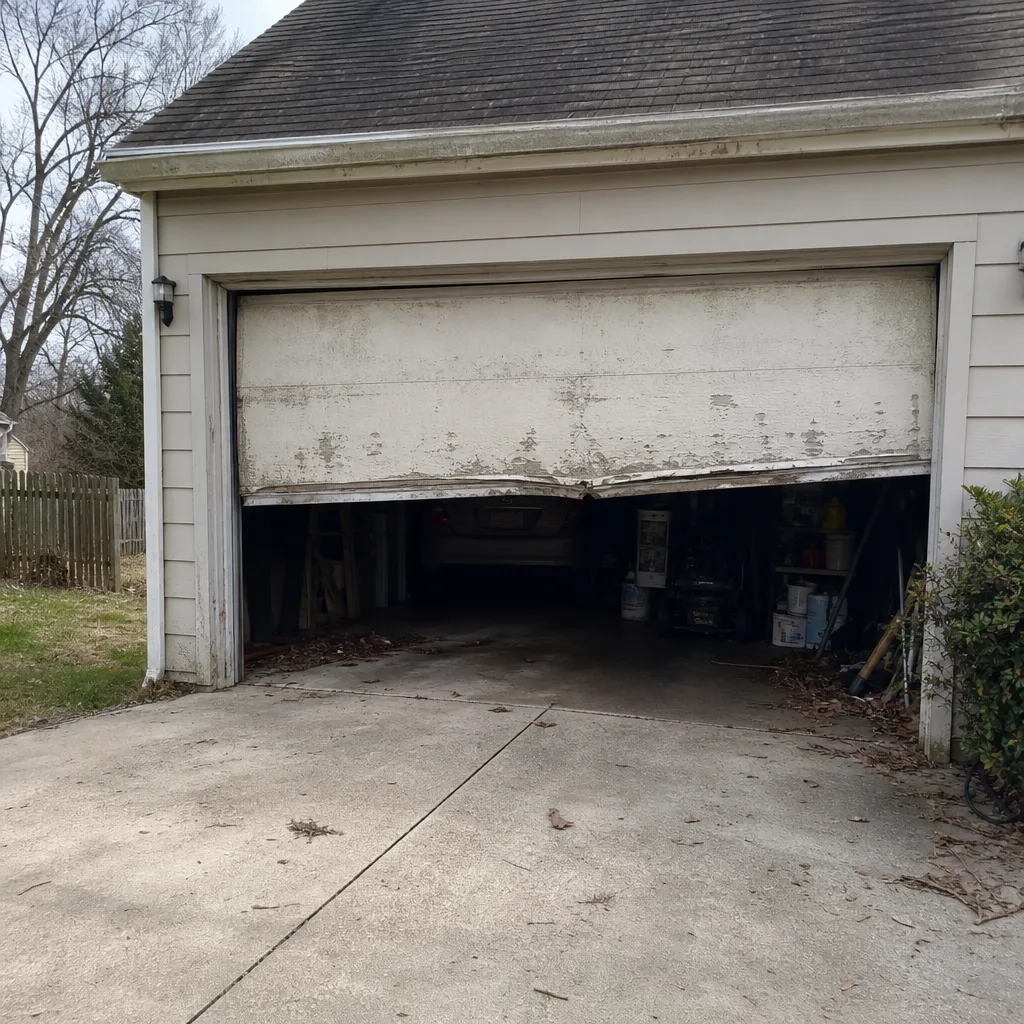 Before
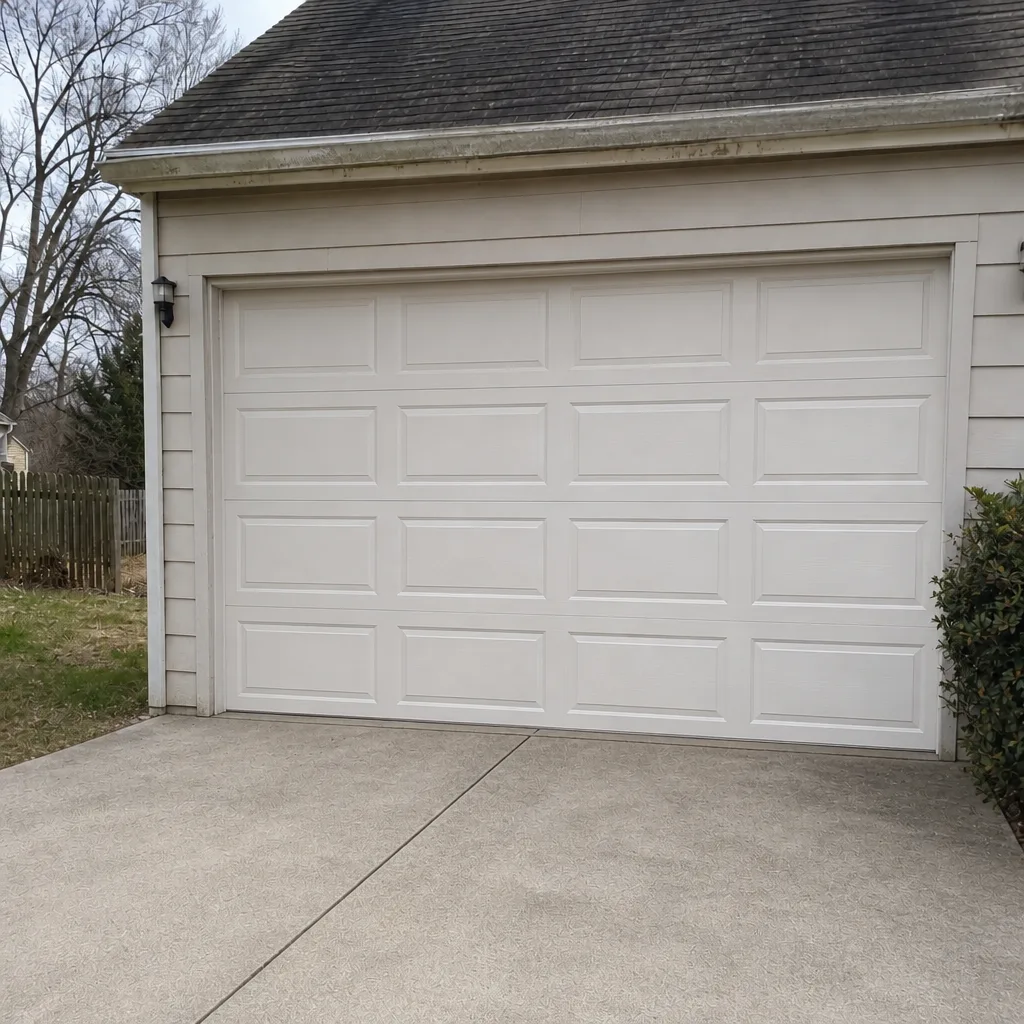 After
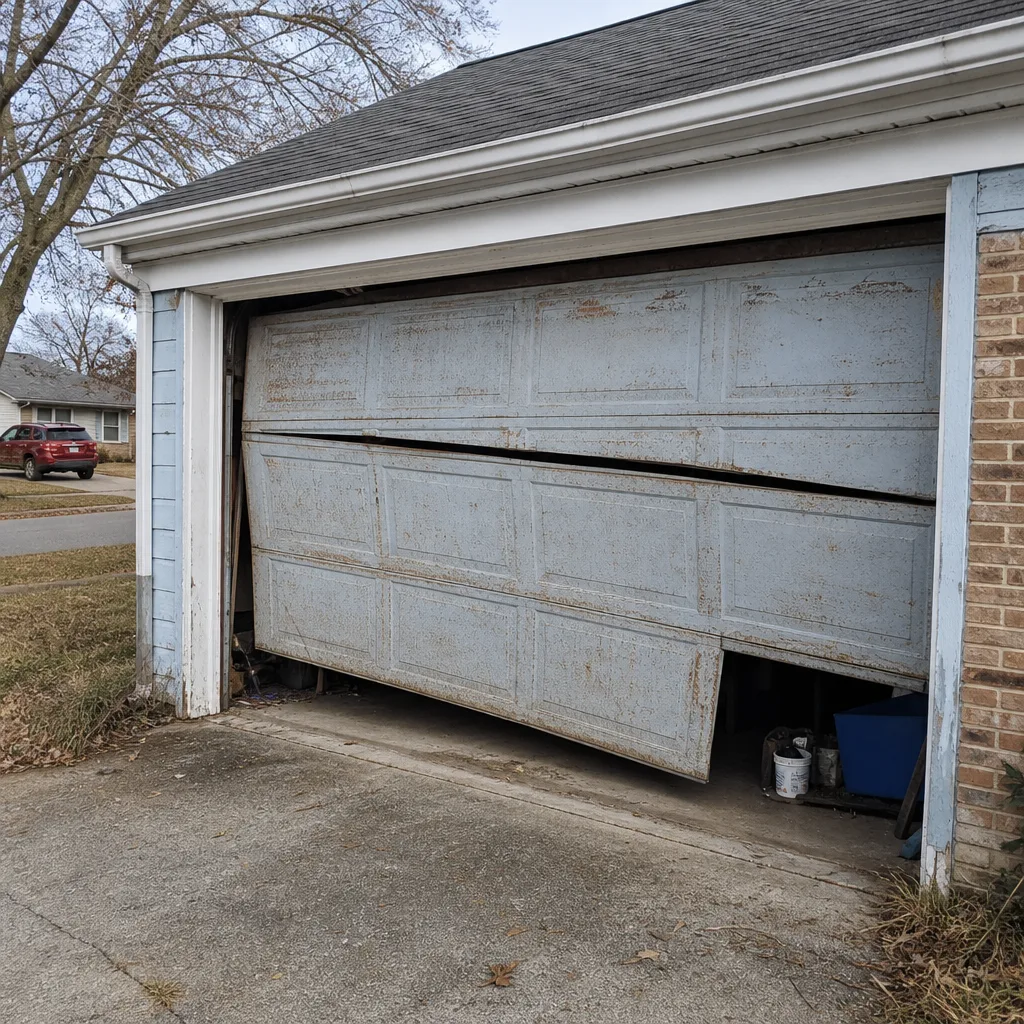 Before
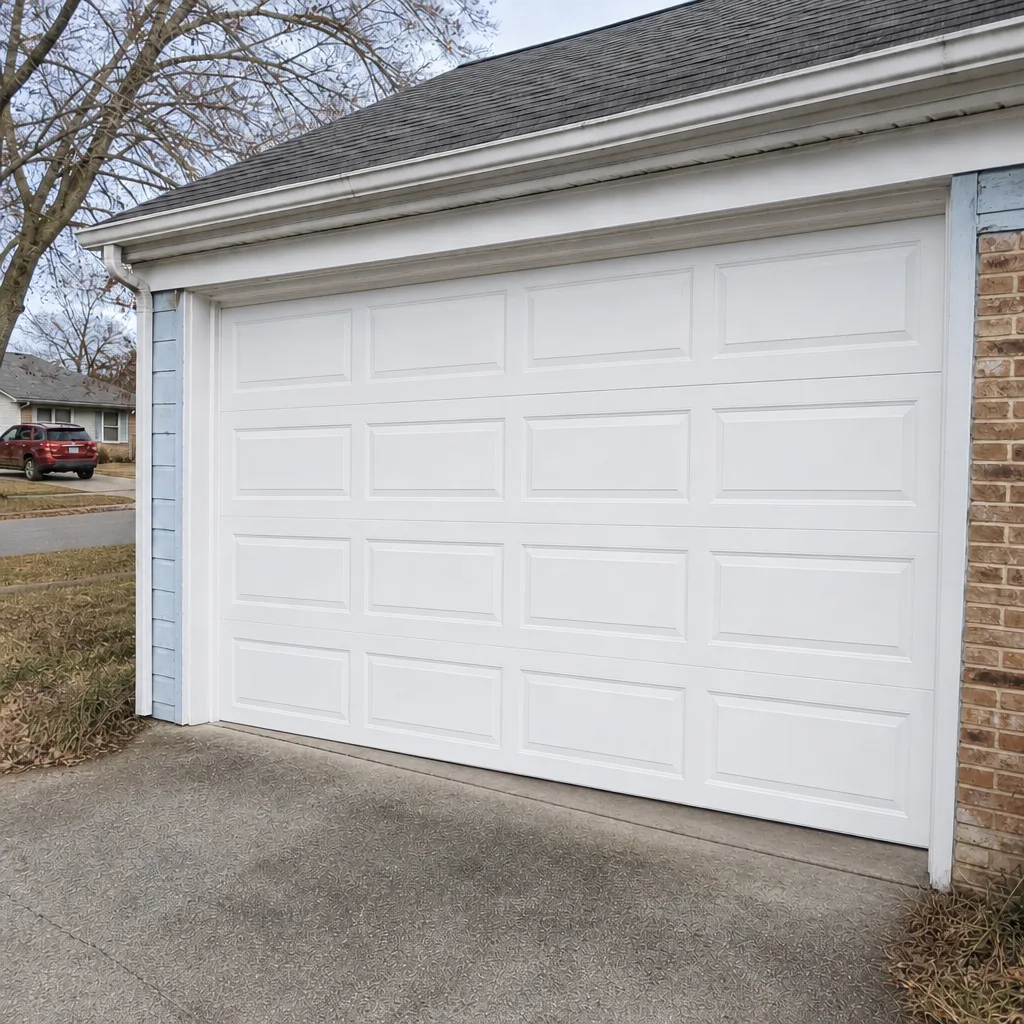 After
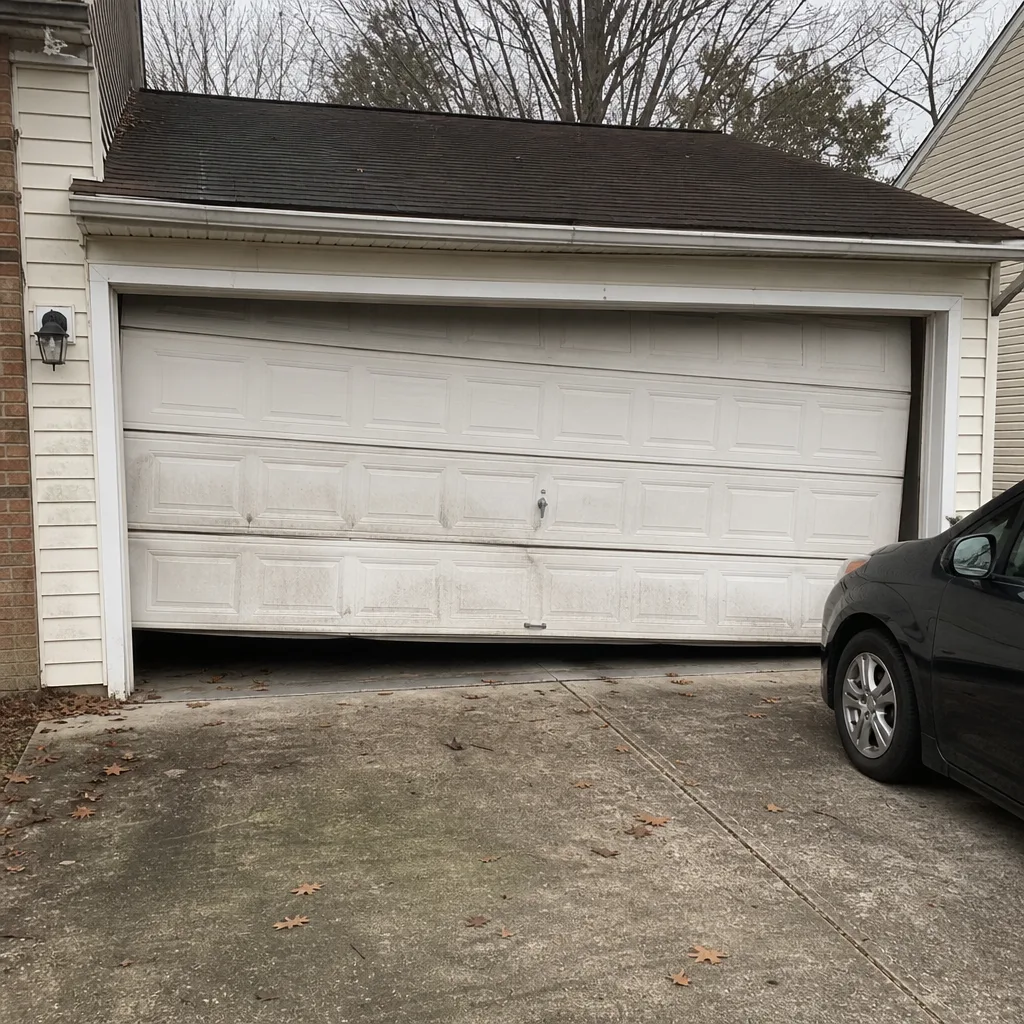 Before
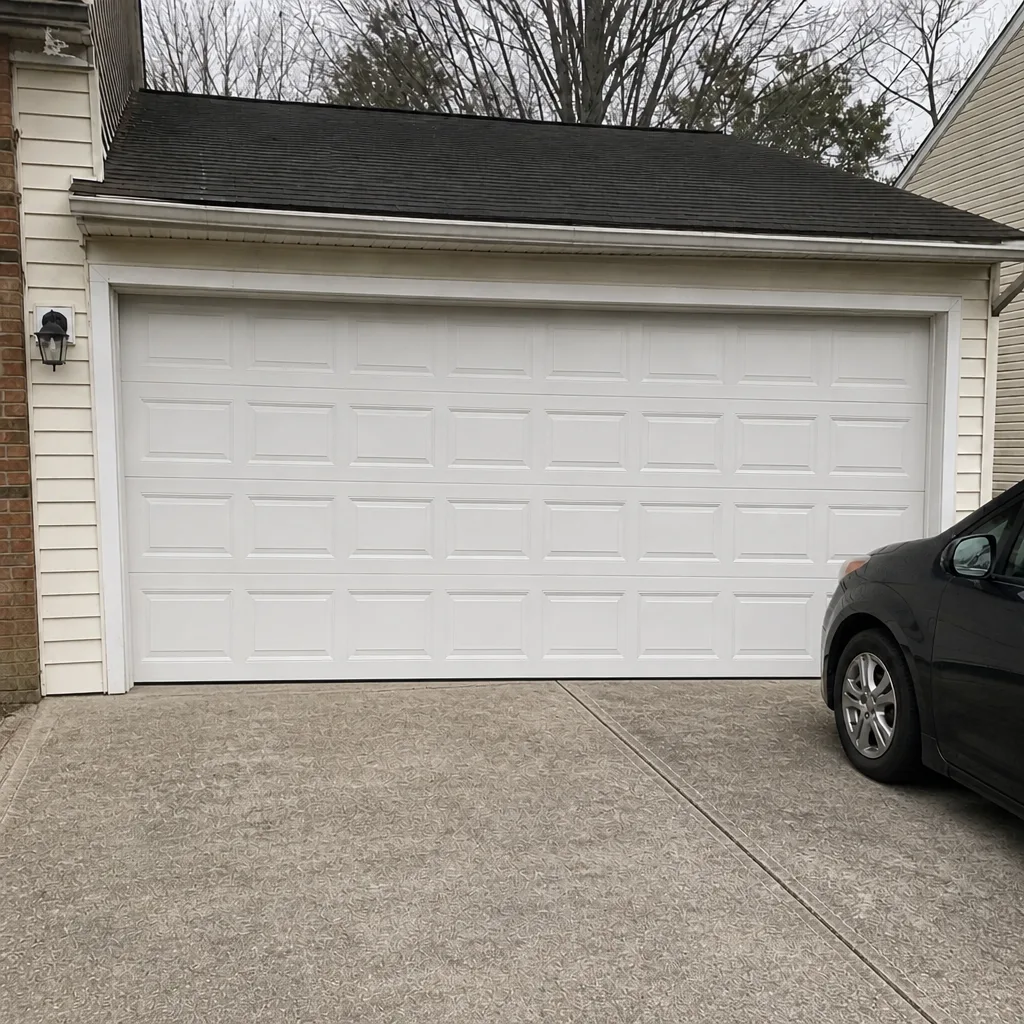 After