Last updated November 22, 2026
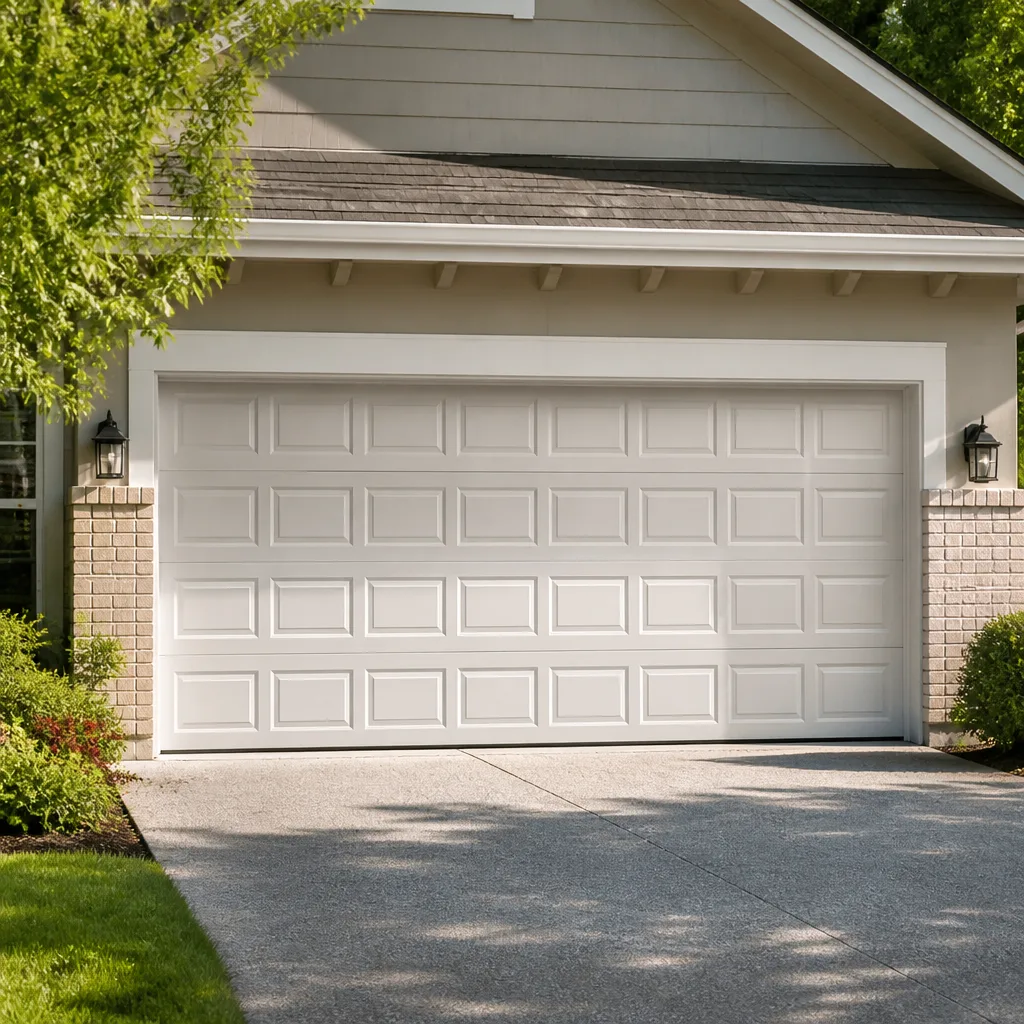 Raised-panel steel
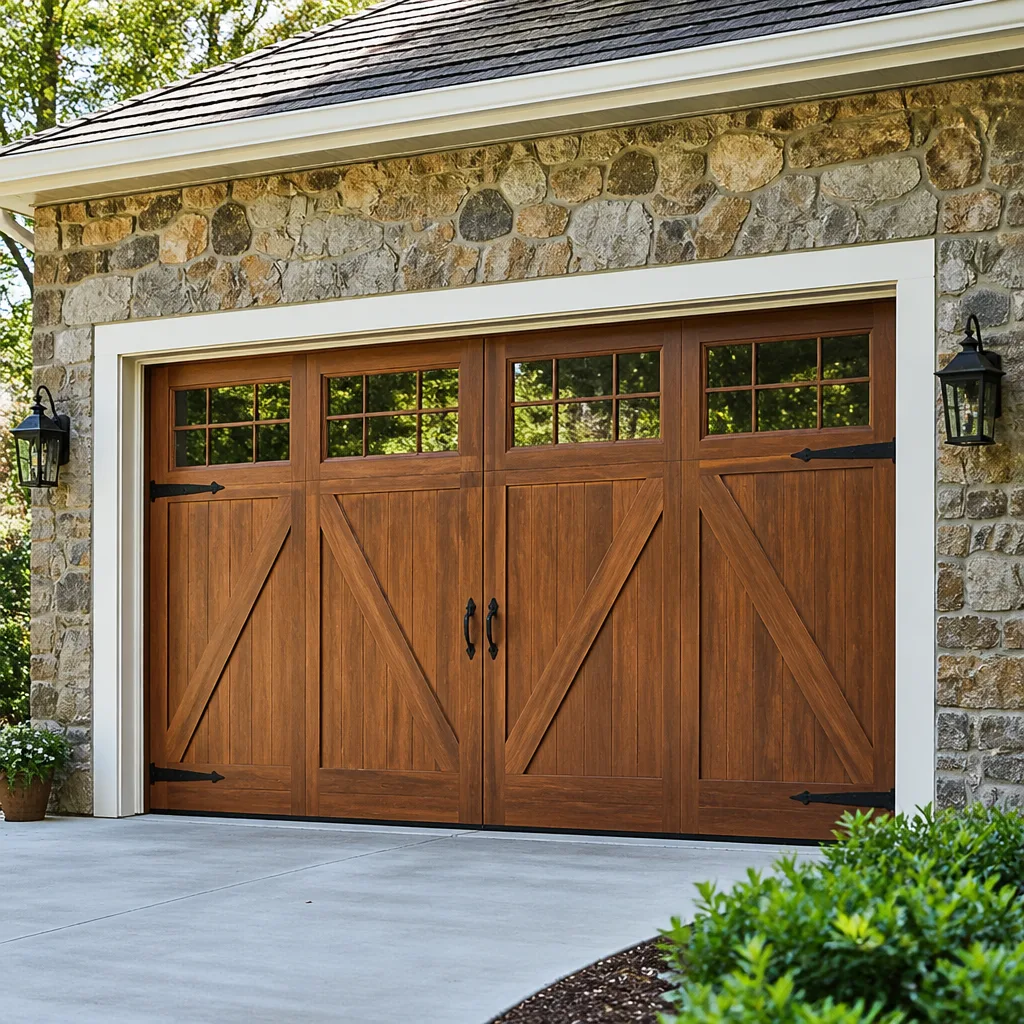 Carriage house
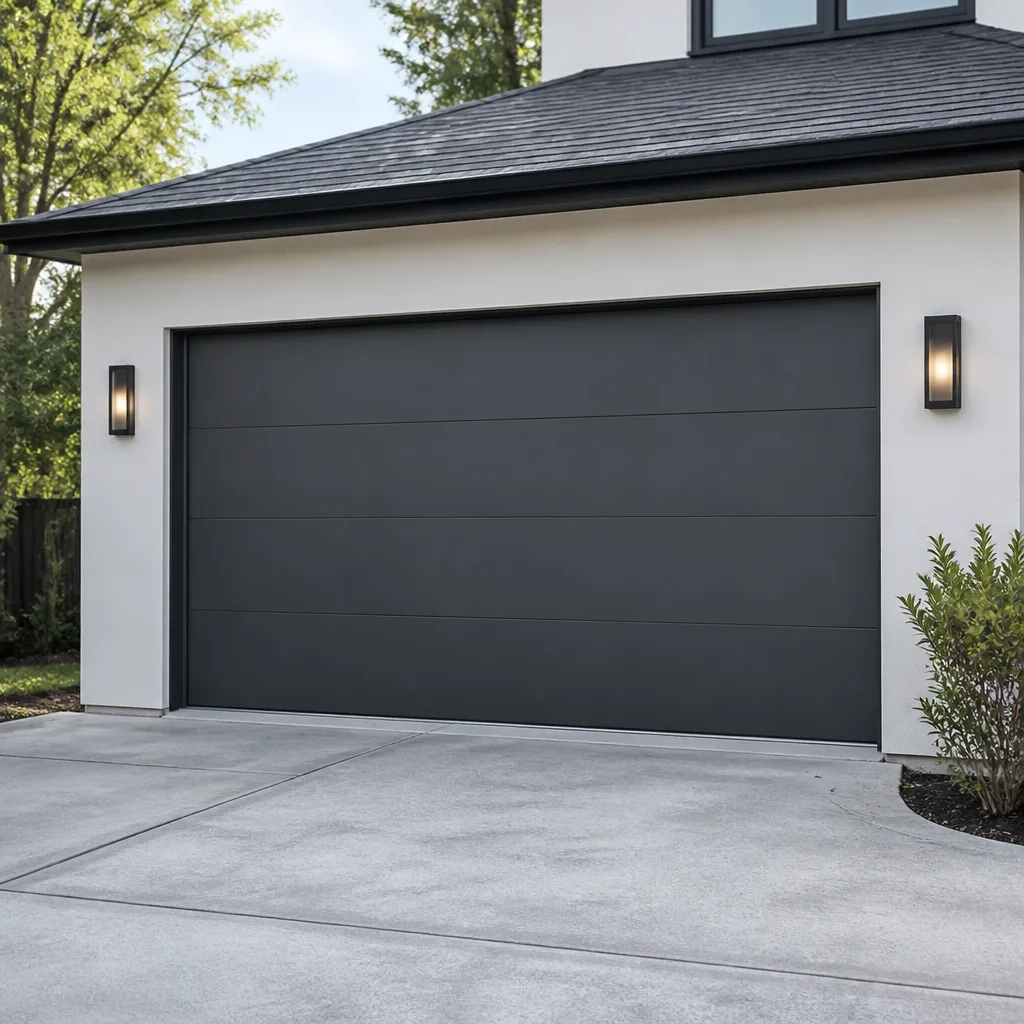 Modern flush
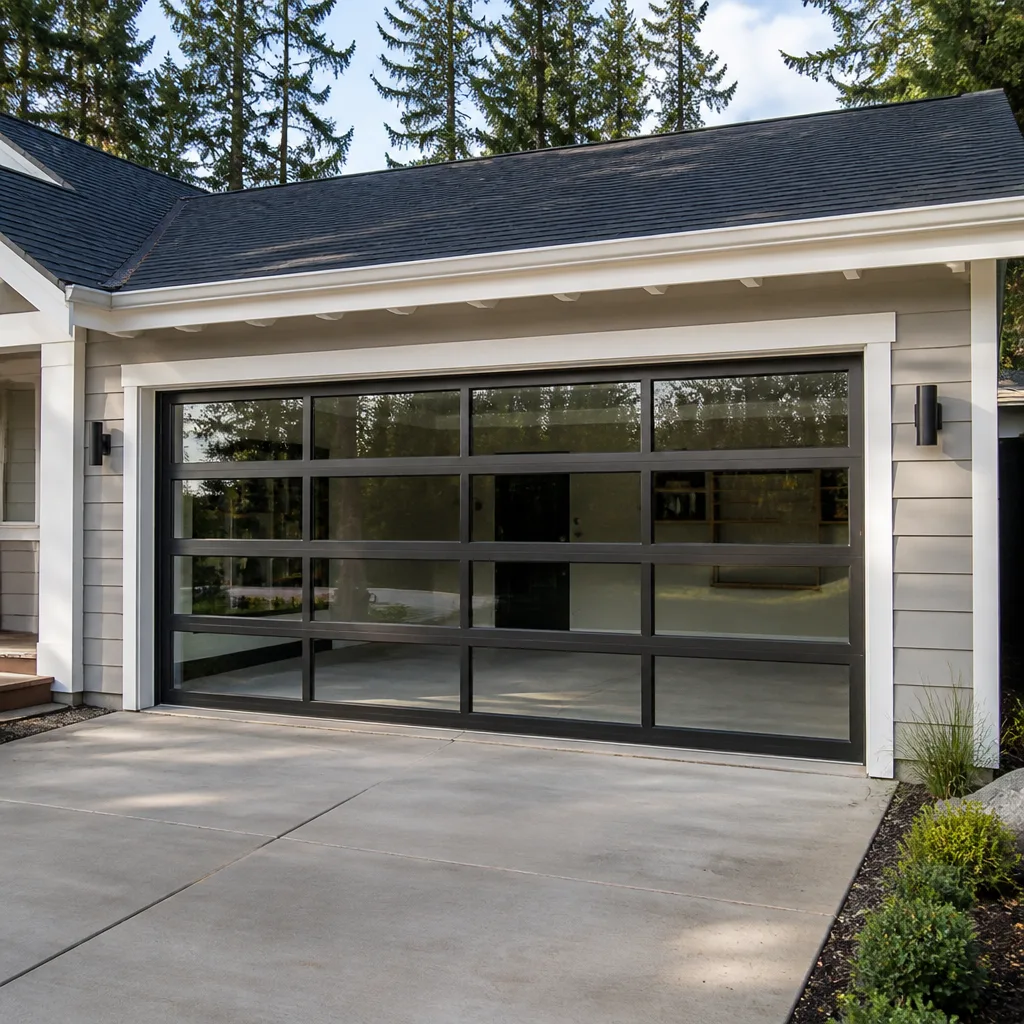 Full-view glass
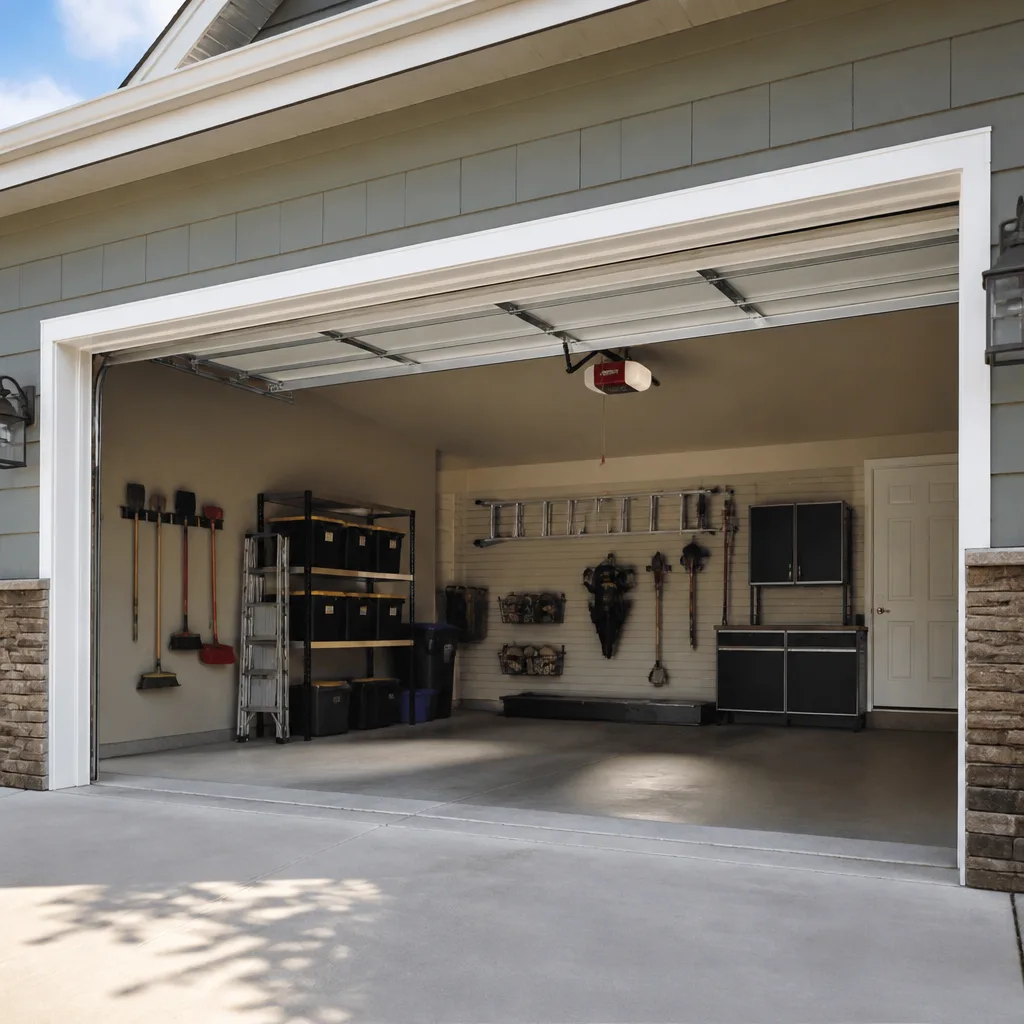 LiftMaster openers
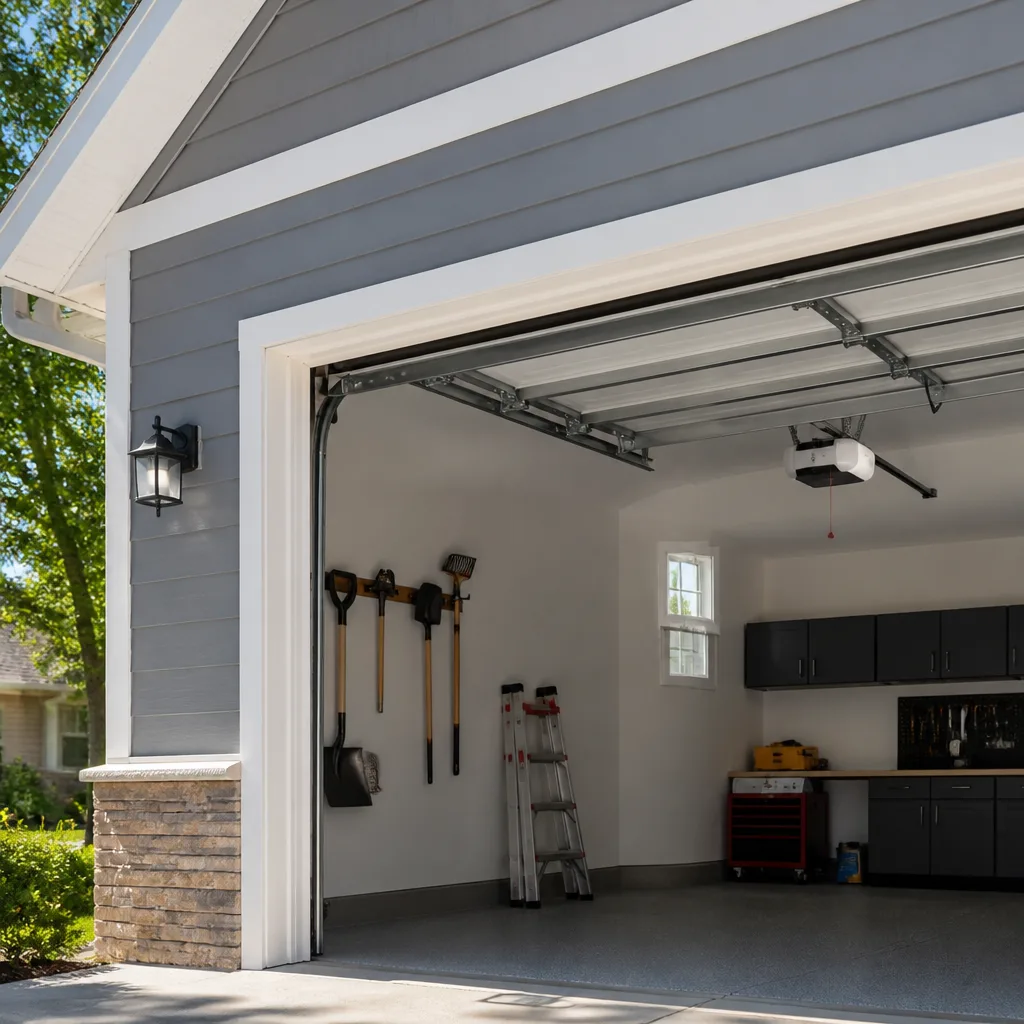 Chamberlain openers
Full 25-point door and opener safety check with every visit - springs, cables, rollers, tracks, and your LiftMaster or Chamberlain opener included
You get a price before we start. It does not change when the pro arrives.
Get your free estimateChoosing the Right Garage Door Brand: A Buyer’s Guide for Town Center
The brand with the best-looking brochure is often the hardest one to get replacement panels for in three years. That’s the uncomfortable truth about garage door shopping: the name on the showroom display and the name on the parts counter aren’t always the same. Panel availability varies dramatically by region, and a door that looks perfect on day one can become a headache when a single dented section needs replacing. This guide cuts through the sales language. We’ll walk through how to judge a brand by parts-chain depth, insulation ratings, steel gauge, warranty reality, and HOA rules, so you can pick a door that still makes sense in Town Center five winters from now.
Quick Answer
For most Town Center homeowners, the right garage door brand is the one whose panels, springs, and rollers a local supplier can actually get within days, not weeks. Clopay and Amarr offer the widest range of styles and insulation levels for this climate, while Raynor and Wayne Dalton are common in newer construction. Match steel gauge to how the door gets used, read the warranty for what it excludes, and confirm your HOA’s architectural rules before you order.
Styles & brands we work with
- Raised-panel steel
- Carriage house
- Modern flush
- Full-view glass
- LiftMaster openers
- Chamberlain openers
Table of Contents
- Why Parts-Chain Depth Matters More Than Brand Reputation
- Insulation Ratings: Matching R-Value to Town Center’s Climate
- Steel Gauge and Dent Resistance: What It Means in Daily Use
- Warranty Terms Decoded: What “Lifetime Limited” Actually Covers
- How HOA Guidelines and Brand Selection in Town Center Constrain Your Options
- Openers Are a Separate Brand Decision
- How to Evaluate a Brand in Five Steps
- Common Mistakes to Avoid
Why Parts-Chain Depth Matters More Than Brand Reputation
The single most reliable predictor of how a garage door ages isn’t the brand’s marketing budget. It’s whether the parts you’ll need in year three are stocked within driving distance or require a factory order from another state. A broken spring, a cracked panel, a worn roller: these aren’t exotic failures. They’re the normal wear items that determine whether you’re back in business in days or waiting on a truck.
In our experience across Town Center, the brands that hold up best are the ones with regional distribution depth. That means local suppliers carry their panels and hardware, not just their openers. Here’s what to check before you commit:
- Springs: Standard torsion springs are usually available locally regardless of door brand, but odd sizes tied to a specific manufacturer may need ordering. Ask whether the door uses standard or proprietary spring dimensions.
- Panels: This is where brands diverge sharply. Some manufacturers ship single replacement sections from regional warehouses; others require minimum-order factory runs. A single dented panel shouldn’t mean a whole new door.
- Rollers, hinges, and track: These are largely universal, but track profiles and hinge patterns aren’t. A brand with a deep local dealer network means a technician can match your hardware quickly.
- Weather seals and trim: Bottom seals and perimeter trim vary by door thickness and profile. Local availability saves a second visit.
We work on the brand you already have, which is why we’ve gotten particular about parts depth. It’s the difference between a quick fix and a scheduling nightmare. If you’re weighing a repair against a replacement, our garage door repair team can tell you honestly which makes more sense for your door.
Insulation Ratings: Matching R-Value to Town Center’s Climate
Insulation is the most oversold feature in garage door shopping. The ROI on upgraded insulation is real, but it’s model-dependent and tied to how you actually use the space. A garage that’s just parking and storage has different needs than one doubling as a workshop or gym. Town Center’s humid summers and cold winters make a decent thermal barrier worth having, but you don’t need the thickest door on the market to get it.
Here’s how the insulation options generally stack up:
- Non-insulated steel: Single-layer steel. Lightest, cheapest, no thermal value. Fine for a detached garage where temperature control doesn’t matter.
- Polystyrene (foam board): Panels filled with rigid foam. Basic thermal barrier, lower cost. Common in builder-grade Town Center homes.
- Polyurethane (foam-in-place): Injected foam that bonds to the steel. Higher insulating value per inch, denser, quieter. Better for attached garages where temperature bleeds into the house.
The practical question is where your garage sits relative to living space. An attached garage in Town Center with a bedroom above it benefits from a denser polyurethane door; a detached garage used for lawn equipment usually doesn’t. Ask for the door’s published insulating value rather than taking a salesperson’s word for it, and compare it to what the rest of your building envelope already achieves. A high-rated door on an uninsulated garage wall won’t do much.
Steel Gauge and Dent Resistance: What It Means in Daily Use
Steel gauge is where brand comparison gets genuinely useful. Gauge is a thickness measurement, and in steel, lower numbers mean thicker metal. A 24-gauge panel is thinner than a 25-gauge panel. Many builder-grade doors sit at 25, 26, or 27 gauge; heavier residential doors run 24 gauge and lower. For a household with kids, bikes, and a basketball hoop near the driveway, that difference shows up as dents within a few years.
Here’s what gauge means in practice for the brands most common in Town Center new construction:
- Two-layer steel doors usually run lighter gauge on the skins with a foam core for rigidity. Good weight-to-strength balance for typical family use.
- Three-layer steel doors add a steel backer, which firms up the panel and resists denting from the inside. Worth considering if the garage doubles as a play area.
- Heavier gauge matters most on the middle panels, where impacts usually land. Ask about per-panel gauge, not a single door-wide number.
- Texture and panel design hide small dents better than smooth finishes. A raised-panel or carriage-house look masks minor dings that a flush panel shows plainly.
Gauge is also a weight question. A heavier door needs stronger springs and a properly matched opener. If you’re replacing just the door and keeping your existing opener, tell your installer the new weight so the springs and opener are calibrated together. If the opener is on its last legs too, our garage door opener repair service covers the dominant brands and can advise on whether yours can handle the switch.
Warranty Terms Decoded: What “Lifetime Limited” Actually Covers
“Lifetime limited” sounds like a guarantee that your door will never fail. It isn’t. On a garage door warranty, “limited” does the heavy lifting. What’s covered is usually the panel’s structural integrity against defects, and the “lifetime” typically refers to the original purchaser for as long as they own the home. Wear items, labor, and finish failures are often excluded or covered for shorter windows.
Before you buy any brand, read the warranty in three parts:
- What’s covered and for how long. Panels, hardware, springs, and finish often carry different terms. A “lifetime” panel warranty may sit next to a five-year hardware warranty and a one-year finish warranty.
- Who can honor the claim. A warranty is only as good as the dealer network behind it. If the brand requires an authorized dealer to file and inspect, confirm there’s a network able to fulfill claims in Virginia, not just a phone line in another state.
- What voids it. Improper installation, unauthorized repairs, and sometimes even painting the door can void coverage. Have the installer document the installation to manufacturer spec so a future claim isn’t denied on a technicality.
In our experience, brands with regional dealer networks make claims far less painful than brands that rely on factory call centers. Ask your installer who handles a warranty inspection and how long it usually takes. If the answer is vague, that’s useful information. When a repair reveals a door beyond saving, we handle the full replacement under our garage door installation service, so you’re not chasing a separate installer for the warranty paperwork.
How HOA Guidelines and Brand Selection in Town Center Constrain Your Options
HOA architectural review is the most common reason a Town Center homeowner ends up with a door they didn’t originally pick. Many communities here set rules on panel style, color palette, window placement, and sometimes even the brand or finish system allowed for street-facing doors. The good news: most major manufacturers make HOA-friendly designs within their standard lines, so compliance usually doesn’t mean a custom door.
Here’s the practical sequence for staying compliant:
- Get the HOA’s architectural guidelines in writing before you shop. Ask specifically about approved colors, panel profiles, window styles, and finish requirements.
- Check whether your selected brand publishes an HOA-approved color palette or offers a color-match program. Clopay and Amarr both have broad color ranges that map to common architectural standards.
- Submit the architectural request with the brand, model, color, and finish listed, not just “a new garage door.” Details speed approval.
- Keep the approval documentation with your warranty paperwork. It’s useful if a future sale or inspection raises questions.
The brands with the widest compliant options in Town Center tend to be Clopay and Amarr, simply because their style catalogs are broad enough to match most community standards. Wayne Dalton and Raynor also cover common carriage-house and raised-panel looks. Confirm with your HOA before ordering – a color that’s technically in the lineup may still need a specific finish to meet the rules.
Openers Are a Separate Brand Decision
The door brand and the opener brand are independent choices, and most buyers overthink the first and ignore the second. Your opener is the part you interact with every day – the remote, the wall button, the smartphone app. It’s also the part most likely to fail first. Town Center homes tend to run LiftMaster, Chamberlain, Genie, or Craftsman units, and each has quirks worth knowing before you pair a new door with an old opener.
- LiftMaster and Chamberlain share engineering lineage and many parts, which makes them broadly serviceable. Smart-home features are strong on newer models.
- Genie covers a wide legacy install base, and many older Town Center homes still run them. Parts are usually easy to source.
- Craftsman openers are common in homes built through the 1990s and 2000s. They’re serviceable, though sourcing certain boards can take a bit longer.
When you’re choosing a door brand, ask your installer to confirm the new door’s weight and balance will work with your existing opener. If the opener is near the end of its life, replacing both together saves a second service call. Our opener technicians handle all four of these brands, so mismatched pairings aren’t a problem we punt to another company.
How to Evaluate a Brand in Five Steps
If you want a repeatable way to compare brands without getting lost in brochures, use these five steps. They work for any door you’re considering in Town Center, whether you’re replacing a single panel or starting fresh.
- Check local parts availability. Call a local supplier or installer and ask which brands’ panels and springs they can get within days. If a brand requires factory orders for common parts, note that.
- Match insulation to use. Decide whether the garage is attached, heated, or used as living space. Pick polystyrene for basic duty or polyurethane for attached garages where you want a real thermal barrier.
- Compare steel gauge per panel. Ask for the gauge of the middle and bottom sections, not just the door. Lower numbers mean thicker, more dent-resistant steel.
- Read the warranty exclusions. Confirm what’s covered, for how long, and who can file a claim within Virginia. Verify what voids coverage before installation.
- Confirm HOA compliance. Cross-check your chosen model, color, and finish against your community’s architectural guidelines before you order.
Run those five steps and the brand choice usually makes itself. It’s the same process our technicians follow when a Town Center homeowner asks whether a repair is worth it or a replacement is the smarter move.
Common Mistakes to Avoid
- Buying on looks alone. The most attractive door on the showroom floor may be the hardest one to get replacement panels for locally. Always check parts depth before falling for a finish.
- Assuming “lifetime” means forever. Garage door warranties are full of exclusions, and “limited” limits a lot. Read the coverage windows for panels, hardware, and finish separately.
- Skipping the HOA check. Ordering a door your community hasn’t approved can mean removal and reinstallation. Pull the architectural guidelines first.
- Ignoring steel gauge. A thin-gauge door costs less up front and dents more, especially in a family driveway. Ask for per-panel gauge, not a door-wide number.
- Pairing a heavy new door with a tired old opener. A heavier door needs recalibrated springs and an opener rated for the weight. Mismatched pairings shorten the life of both.
- Choosing a brand with no local dealer network. A warranty that requires a factory inspection from out of state can take months to resolve. Confirm who handles claims in Virginia.
- Assuming a repair always means a replacement. Many Town Center doors are repairable when the failure is a spring, roller, or opener. A good technician tells you which fix you actually need.
See the difference
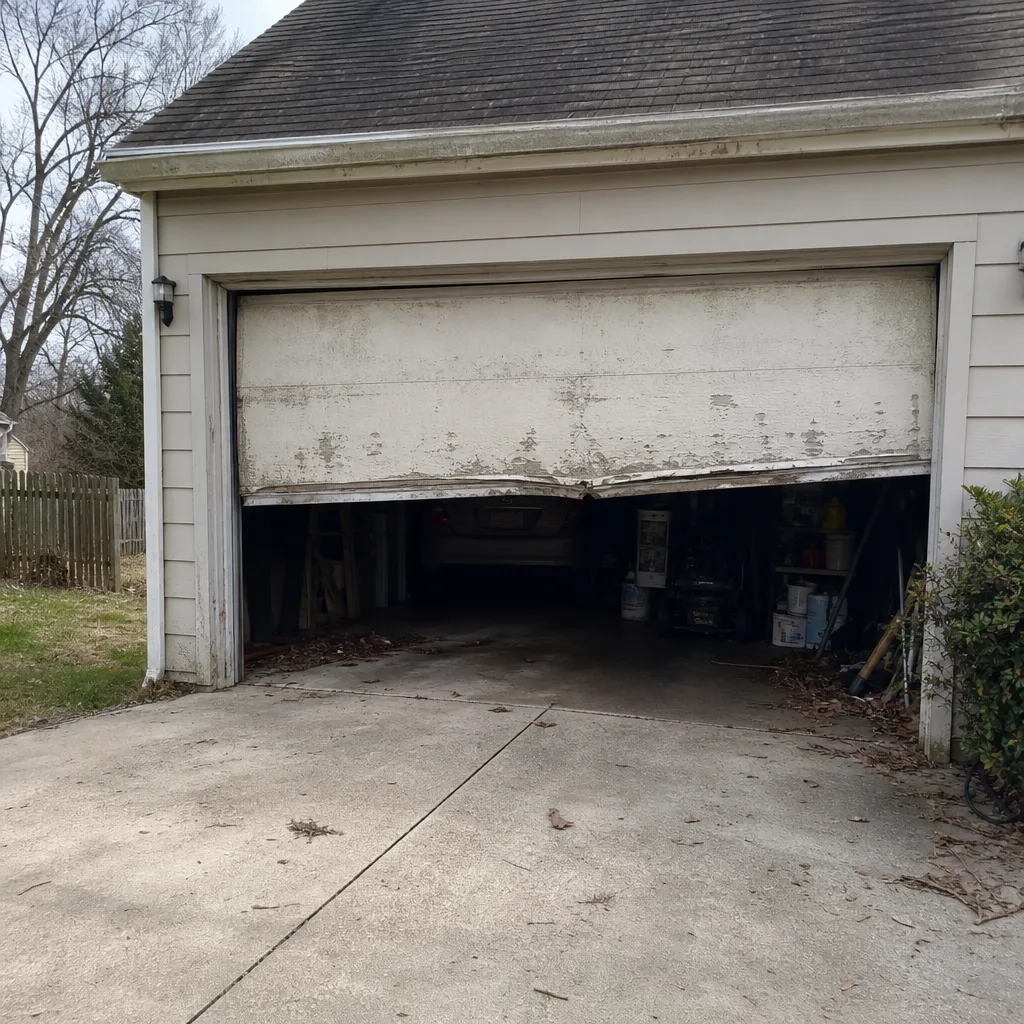 Before
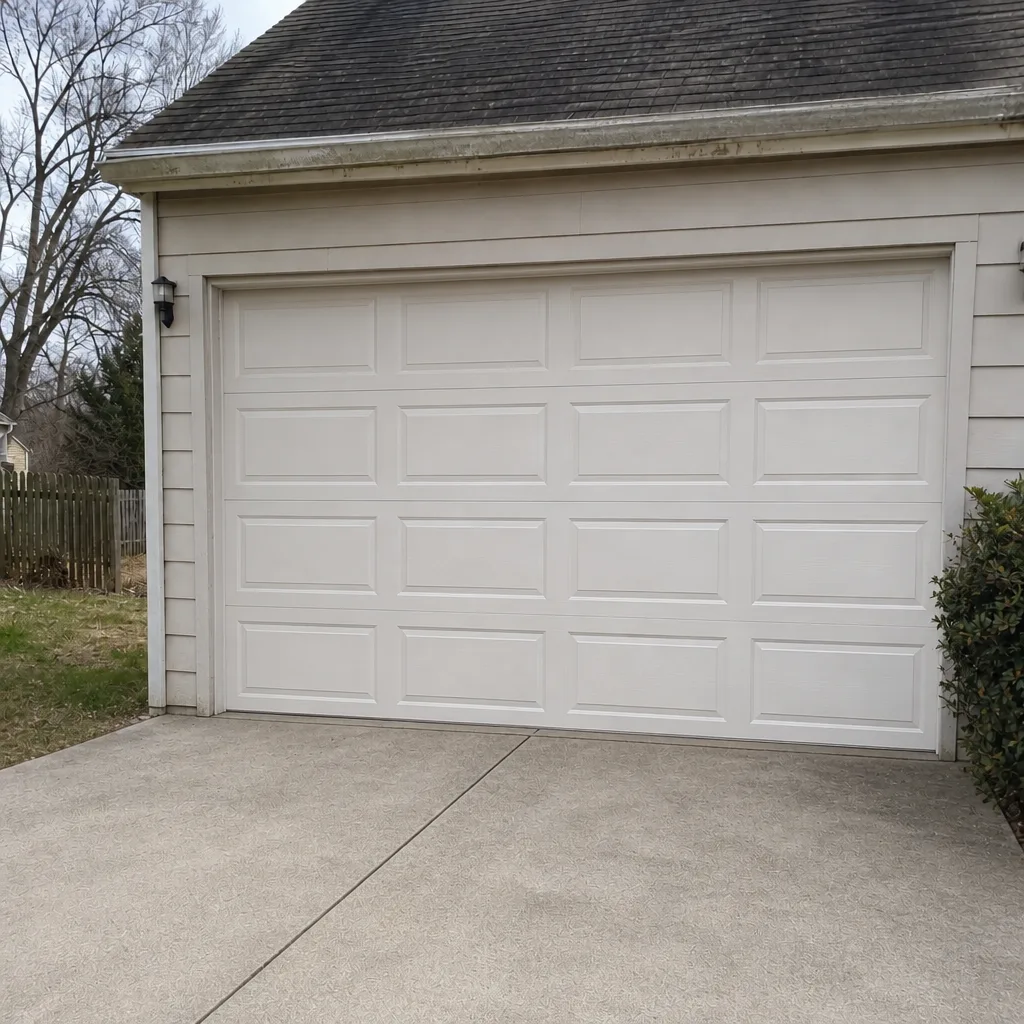 After
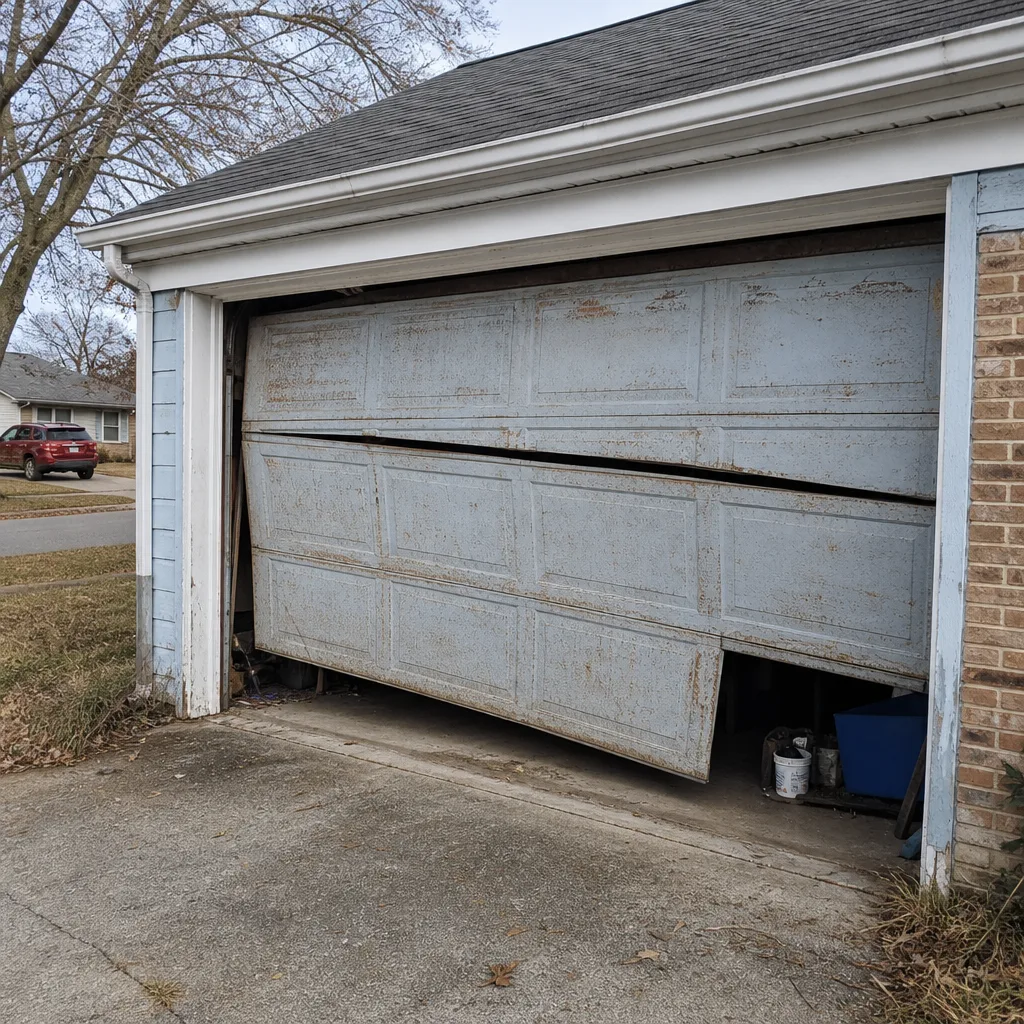 Before
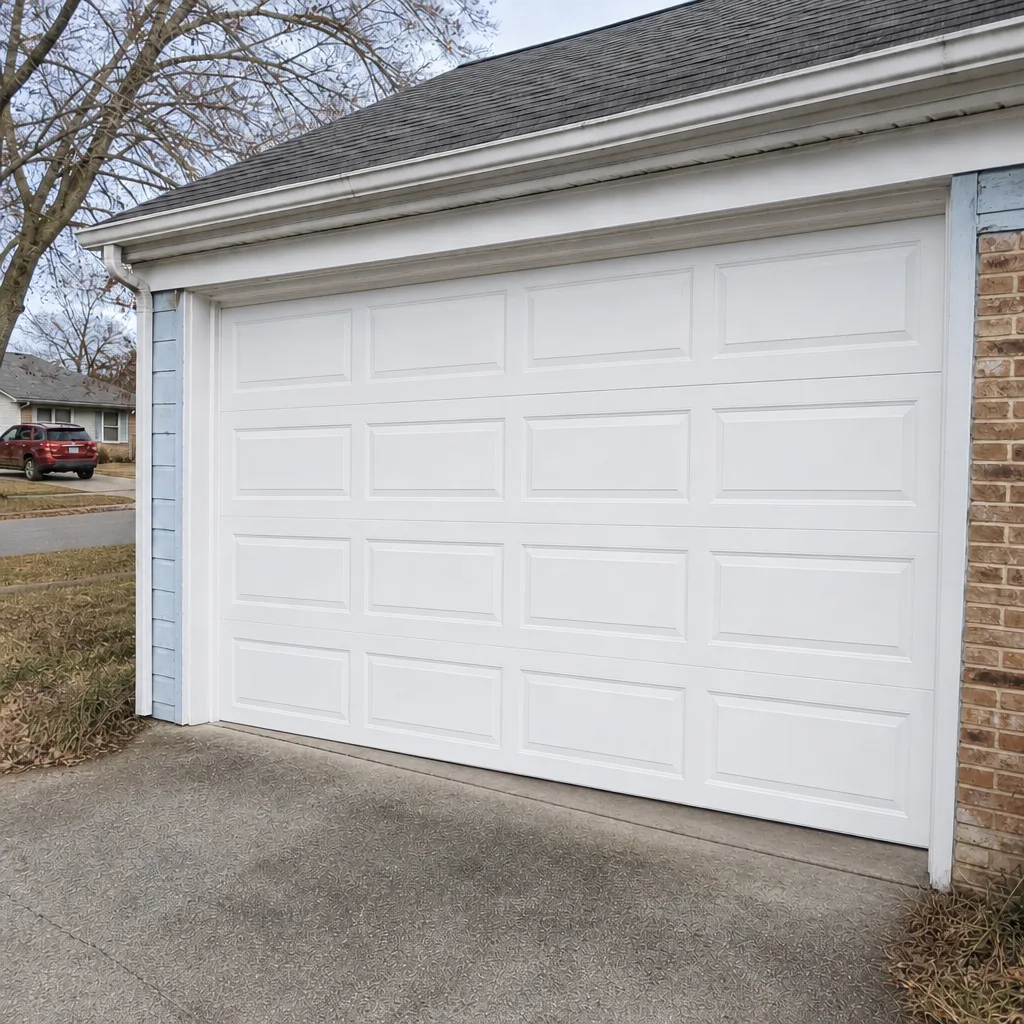 After
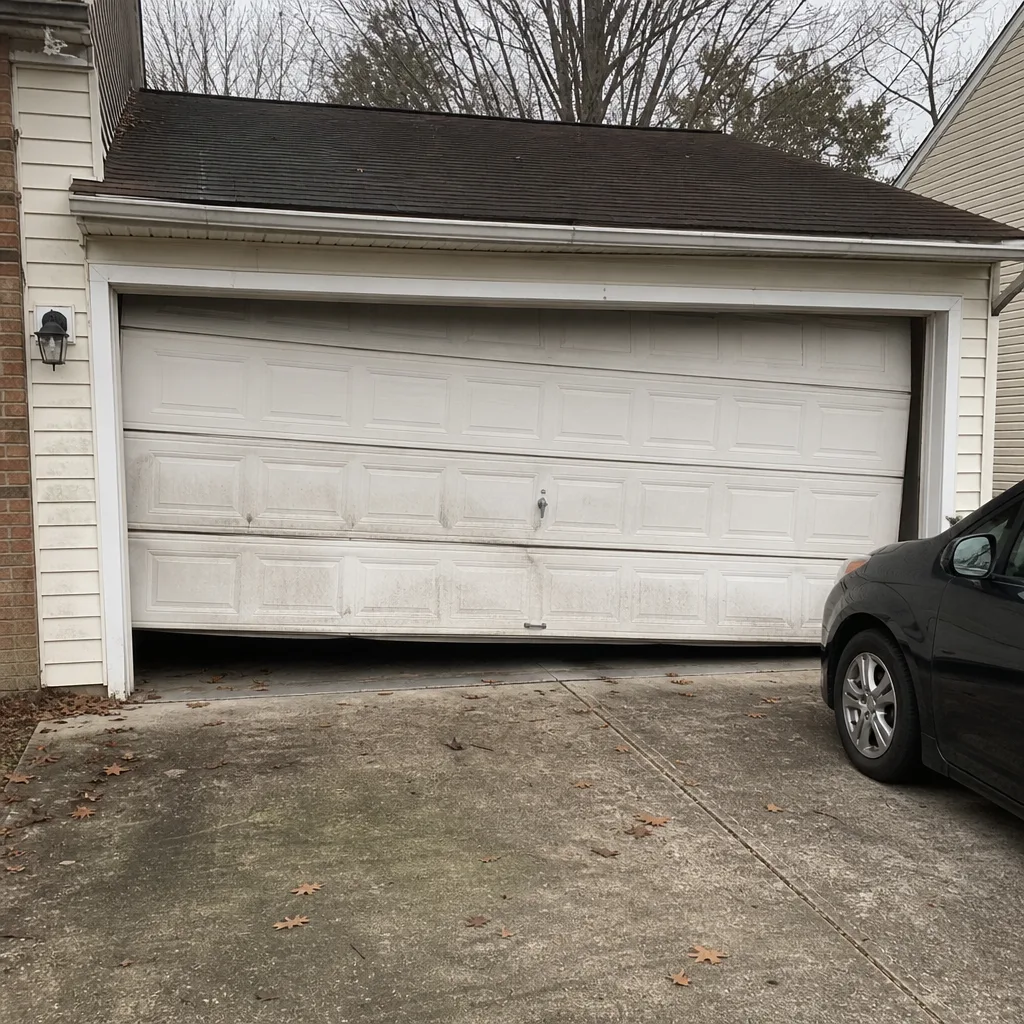 Before
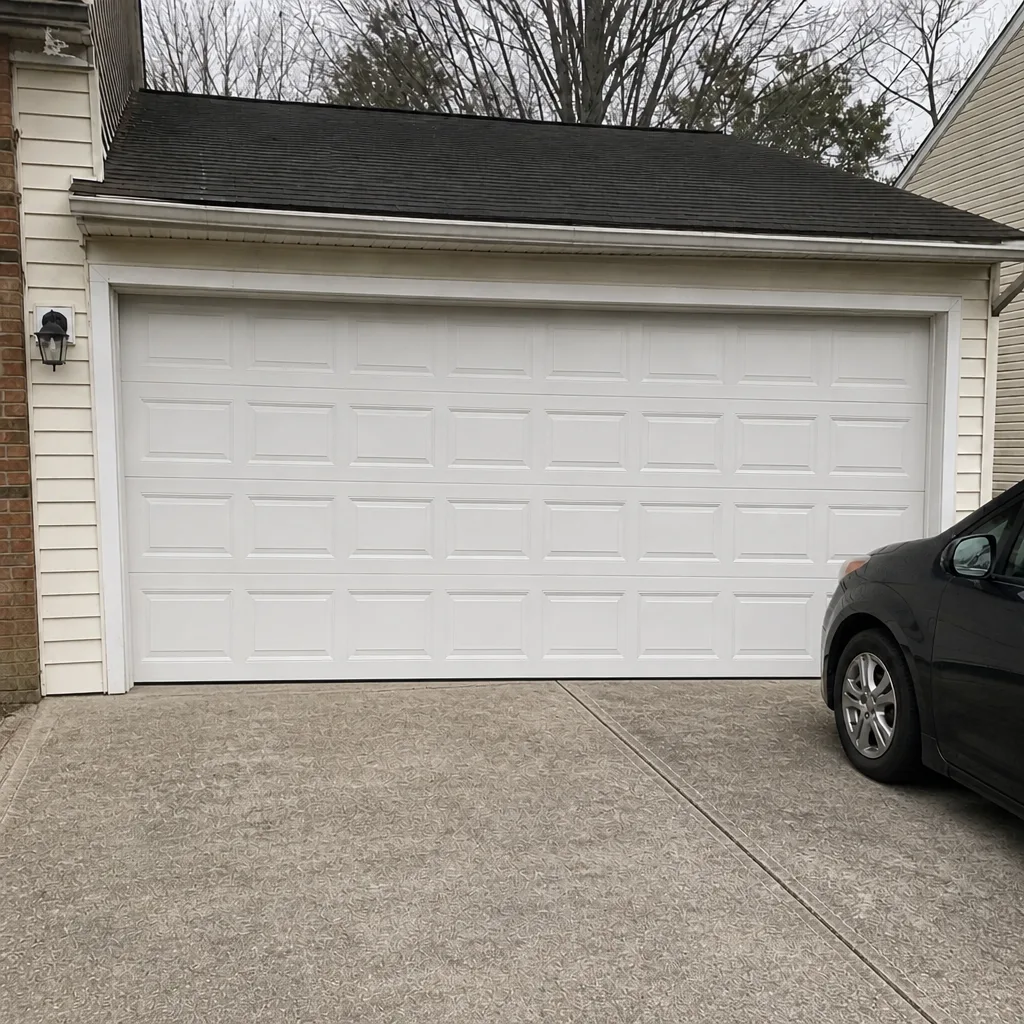 After
When to Call a Professional
Some garage door work is safe to think about and unsafe to attempt. Torsion springs and high-tension cables store enormous energy, and a spring under load can release suddenly with serious injury risk. Never try to adjust, remove, or replace a torsion spring or its cables yourself. The same goes for a door that’s come off its track, a sagging panel, or a door that won’t stay balanced when you raise it manually. Electrical work on a hardwired opener also warrants a trained technician. For any of these, call a professional rather than improvising. Garage Door Repair Town Center offers free estimates in Town Center – call (833) 509-3459 to get a written quote before any work starts. Our technicians have up to 8 years of experience, and we handle everything from a single spring to a full new door.
Frequently Asked Questions
Clopay and Amarr offer the widest range of styles and insulation levels for Town Center’s climate, while Raynor and Wayne Dalton are common in newer construction. The “best” brand is really whichever one has deep local parts availability and meets your HOA rules. Call (833) 509-3459 for a free estimate tailored to your door and community.
Ask a local installer or supplier which brands’ panels, springs, and hardware they can source within days rather than weeks. Brands with regional dealer networks usually pass that test. A good technician can tell you honestly which brands they can service quickly in Town Center.
No – the ROI on upgraded insulation is model-dependent and depends on how you use the garage. An attached garage with living space above it benefits most from a denser polyurethane door. A detached garage used for storage usually doesn’t need the top rating. Ask for published insulating values and compare them to your home’s existing envelope.
It typically covers panel structural defects for as long as the original purchaser owns the home, and excludes wear items, labor, and sometimes finish failures. Hardware and finish often carry shorter windows. Confirm who can file a claim in Virginia before you buy.
Not necessarily. Many Town Center communities restrict panel style, color, window placement, and finish. Clopay and Amarr tend to offer the widest compliant options, but check your HOA guidelines in writing and submit your brand, model, and color for approval. Call (833) 509-3459 for help matching a model to your community’s rules.
Often yes, but the springs and opener must be calibrated to the new door’s weight. A door that’s heavier than your opener is rated for will wear both out faster. Have a technician confirm the pairing during the estimate – estimates are free at (833) 509-3459.
The Bottom Line
Choosing a garage door brand in Town Center comes down to three things that brochures don’t show: parts availability in Virginia, honest warranty terms, and how well the door matches your HOA rules and actual use. Steel gauge and insulation rating matter, but only in the context of your specific garage and household. The brands worth considering are the ones a local technician can service quickly and stand behind. Our technicians have up to 8 years of experience across the brands most common in Town Center, and we work on the door you have – from a single broken spring to a full new door. Call (833) 509-3459 for a free, no-pressure estimate, and we’ll quote the price before any work begins.
Written by the team at Garage Door Repair Town Center.