Last updated November 22, 2026
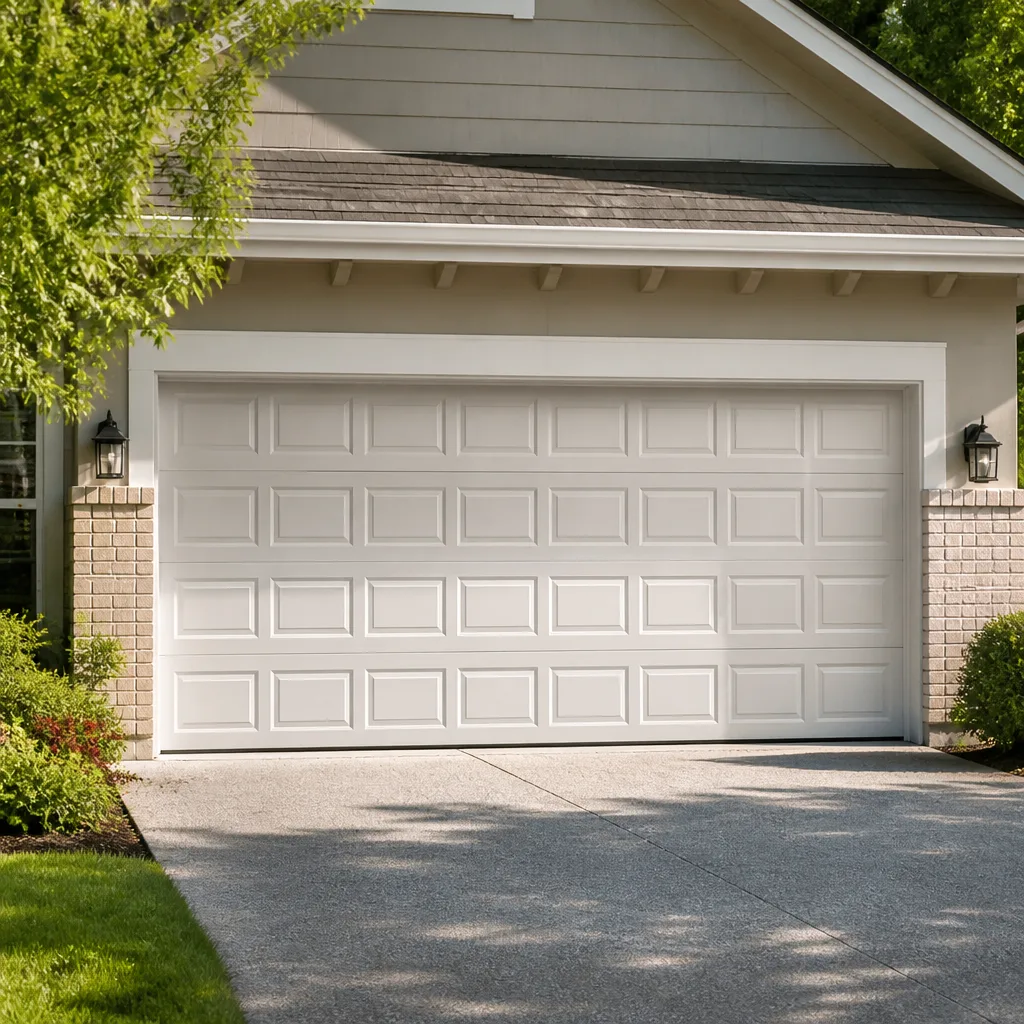 Raised-panel steel
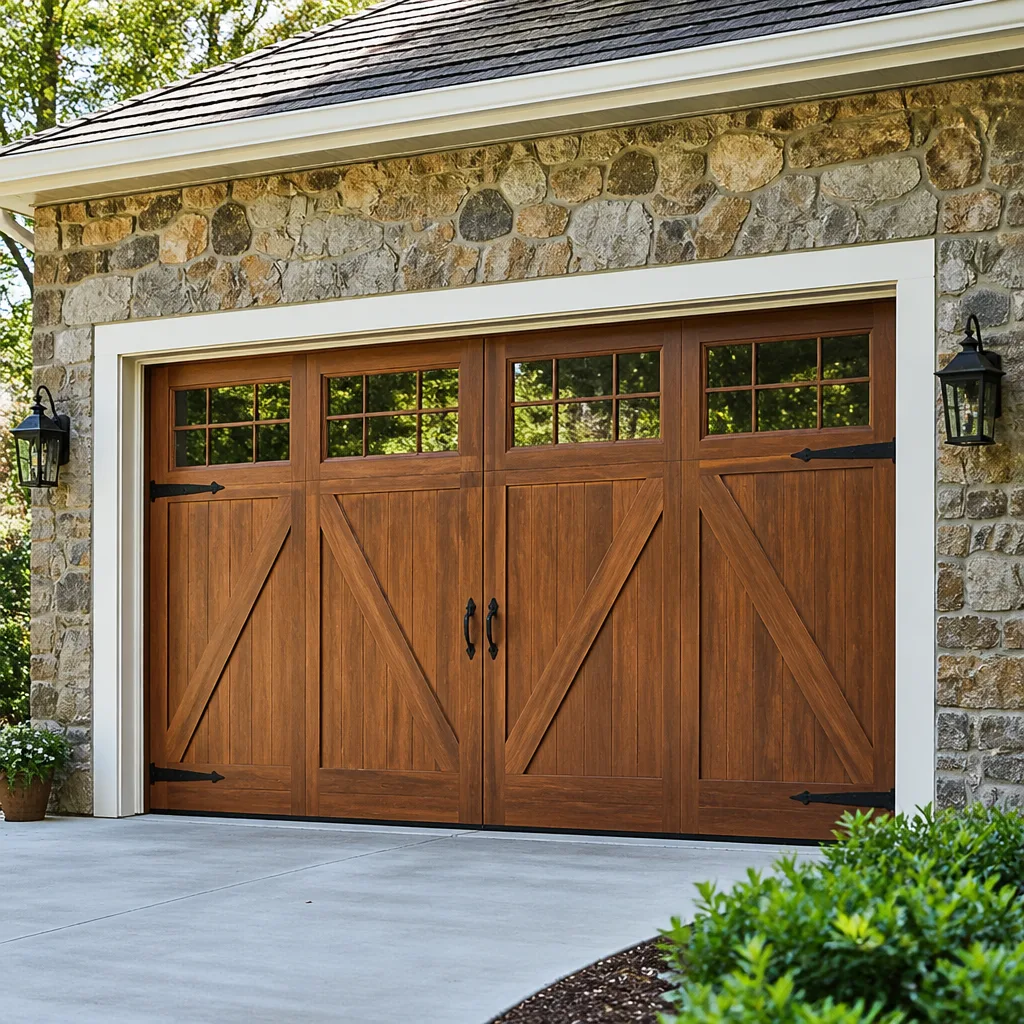 Carriage house
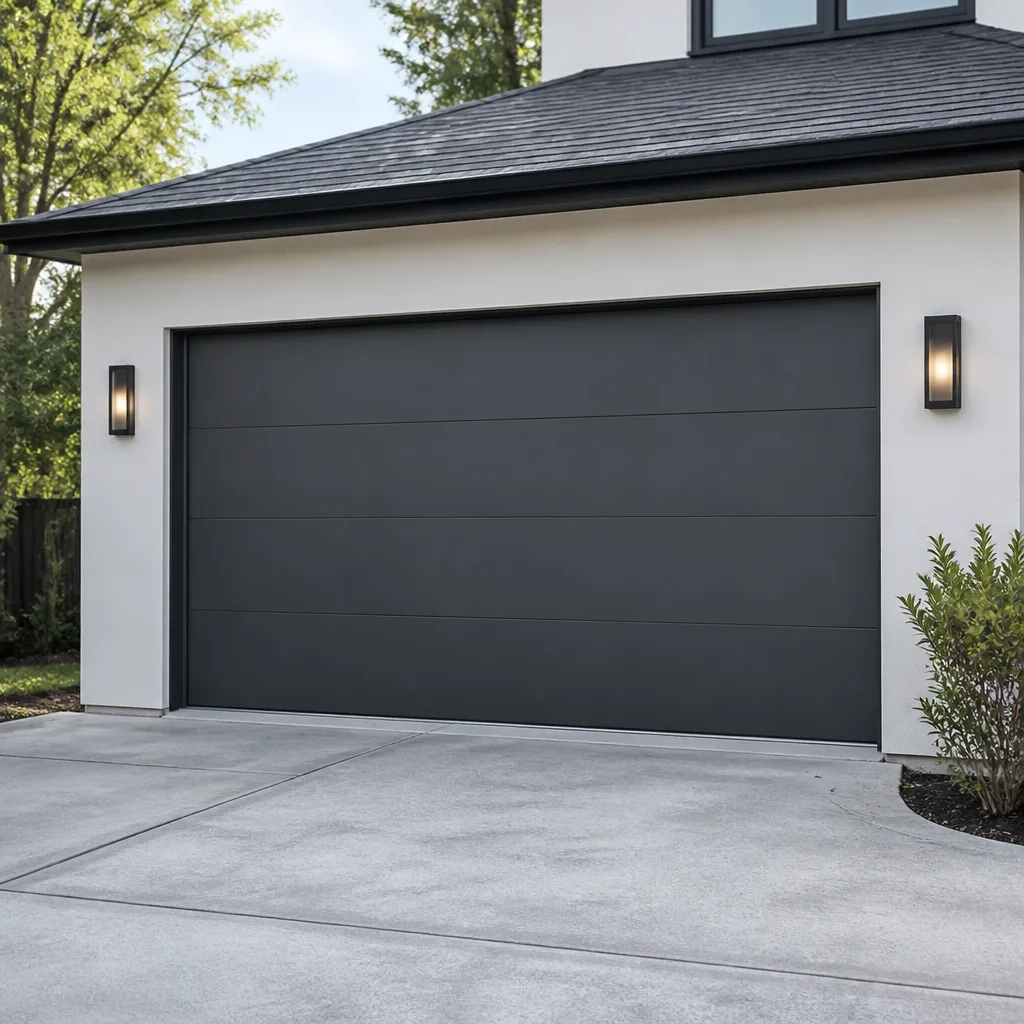 Modern flush
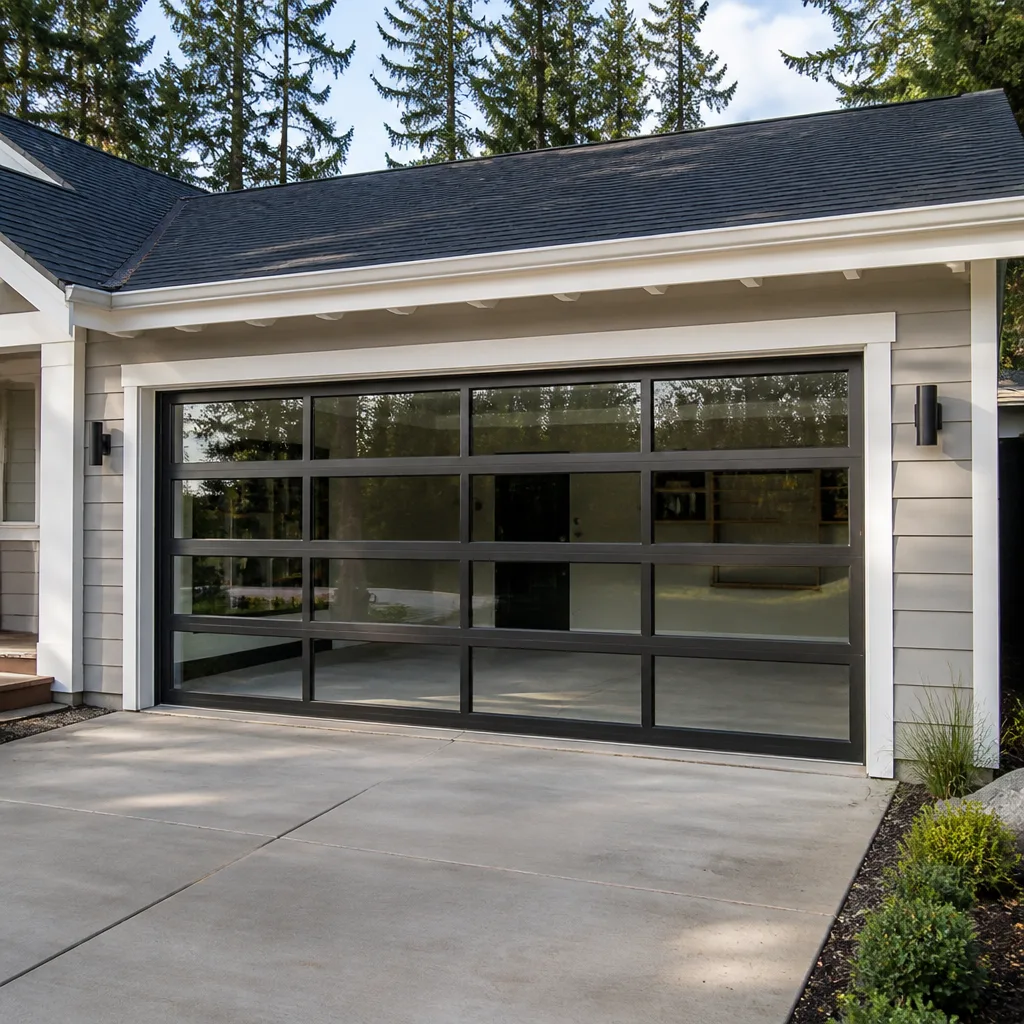 Full-view glass
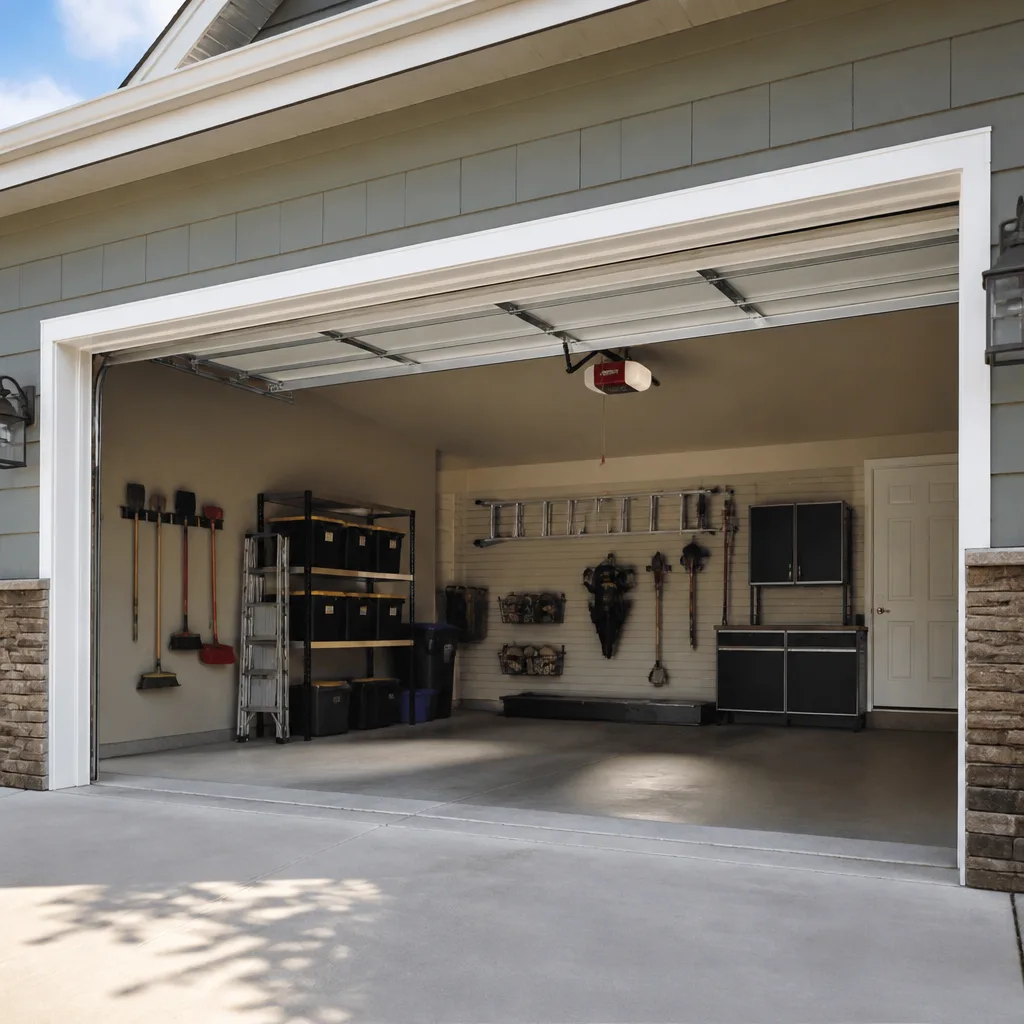 LiftMaster openers
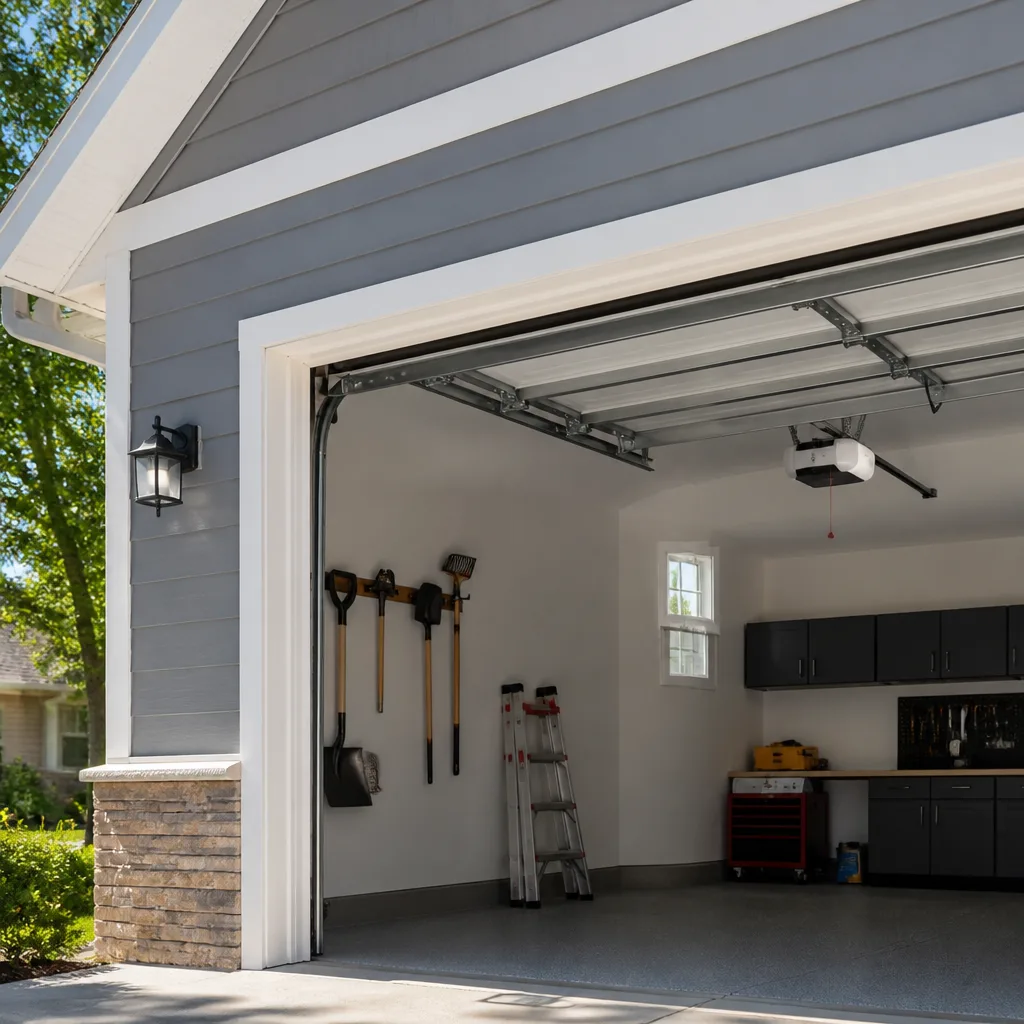 Chamberlain openers
Full 25-point door and opener safety check with every visit - springs, cables, rollers, tracks, and your LiftMaster or Chamberlain opener included
You get a price before we start. It does not change when the pro arrives.
Get your free estimateDIY vs Professional Garage Door: The Town Center Homeowner’s Decision Guide
Most garage door advice online splits into two useless camps: “you can fix anything with a YouTube video” and “never touch it, call a pro.” Neither is honest. The real dividing line isn’t skill, confidence or how handy you are. It’s stored energy. A torsion spring under load holds roughly the same energy as a loaded firearm, and that single fact reshapes the whole DIY-versus-pro question. Some garage door tasks in Town Center are genuinely safe for a homeowner with a Saturday morning and a socket set. Others can break a wrist or worse in a fraction of a second. This guide draws that line clearly, task by task, so you can handle what’s truly safe and hand off what isn’t without anyone talking you into work you don’t need.
Quick Answer
Safe DIY garage door tasks in Town Center include cleaning and aligning safety sensors, replacing weatherstrip, lubricating hinges and rollers, and programming remotes or openers. Anything involving torsion springs, extension springs, cables, drums or the door’s counterbalance system belongs to a trained professional, because those parts hold lethal tension and a slip is unforgiving. Panel swaps, opener motor replacement and full door installation are also professional jobs once structural weight, alignment or household wiring are involved.
Styles & brands we work with
- Raised-panel steel
- Carriage house
- Modern flush
- Full-view glass
- LiftMaster openers
- Chamberlain openers
Table of Contents
- What You Can Safely Do Yourself
- Why Springs Are Categorically Different
- The Cost of a Botched DIY Repair
- How to Judge a YouTube Repair Tutorial
- When a Simple Fix Hides a Bigger Problem
- Town Center Conditions That Affect Your Door
- A Step-by-Step Decision Framework
- Choosing the Right Professional
What You Can Safely Do Yourself
Several garage door jobs need no special tools and carry no real risk when the door is fully closed and the opener is unplugged. These are the tasks we tell Town Center homeowners to keep for themselves, because doing them doesn’t require anyone to touch a tensioned part.
- Safety sensor alignment. If the door reverses or won’t close, the photo-eye sensors near the floor are usually misaligned or dusty. Wipe the lenses and nudge each sensor until its indicator light is solid.
- Weatherstrip replacement. The rubber seal along the bottom of the door lifts out of its channel and slides back in. It’s a low-cost fix for drafts and water intrusion.
- Lubrication. A few drops of garage-door-specific lubricant on hinges, rollers and the track keep things quiet. Avoid grease, which attracts grit.
- Remote and keypad programming. Pairing a new remote or resetting a keypad PIN is a menu task on Chamberlain and Genie openers and takes minutes.
- Track cleaning and light debris removal. Wiping the tracks and picking out leaves or grit is safe with the door down.
None of these bring you near a spring, a cable or a drum. That’s the whole point of the safe list. If a task requires you to loosen a bolt that holds tension, it comes off this list immediately. We’ve seen homeowners in Town Center assume that because they changed their own oil or rebuilt a deck, they’re qualified for spring work. Mechanical confidence doesn’t transfer to a part engineered to store force.
Why Springs Are Categorically Different
A torsion spring isn’t a stretchy part that gets tired; it’s a tightly wound coil of steel under constant rotational load, holding the full weight of your door in balance. When it’s wound to the correct tension, that stored energy is what makes a 200-pound door feel like it weighs ten. When it releases unexpectedly, all that force goes somewhere at once, and it doesn’t ask permission first.
This is why professionals use winding bars. The bar isn’t a safety badge or a liability shield. It’s a tool sized to the winding cone, gripped with two hands and turned in controlled increments so the technician always has the spring under command. A homeowner with a screwdriver or an adjustable wrench has no control over that release. The physics doesn’t care how careful you are, how many videos you watched, or how strong your grip is.
What the load actually involves
- The spring is wound to a specific number of turns matched to the door’s weight.
- Winding bars hold and release that tension in quarter-turn increments.
- If a bar slips or a cone lets go, the spring unwinds in a fraction of a second, and anything in its path – including a hand or an arm – is in the wrong place.
- Extension springs on older doors carry a similar risk and add the danger of a snapped spring whipping toward whatever is nearby.
For Town Center homeowners, the honest answer is that spring replacement is the single most dangerous thing a garage door does, and it’s also the most common failure. Our technicians have up to 8 years of experience, and spring repair is the job we treat with the most care. It’s also why we list garage door repair and spring work as a single professional service rather than a homeowner task. If your door won’t lift, or you hear a loud bang from the garage, stop pulling on it. Call (833) 509-3459 for emergency service and keep everyone clear.
The Cost of a Botched DIY Repair
A failed DIY cable or spring job doesn’t just cost you the price of the part. It usually costs more than the professional job would have, because the damage compounds. A cable that lets go can whip into a panel, bend a track, twist a drum or pull the door out of square. Now the technician isn’t replacing a cable; they’re straightening or replacing structural parts and rebalancing the whole system.
Here’s how the two paths typically compare for the high-risk jobs:
- Professional spring repair: one defined job, quoted before work starts, with the door rebalanced and tested.
- DIY attempt that goes wrong: the part cost saved, plus bent panels, a damaged track, a possible injury, and a professional pulling you out of the resulting mess – which is more work than the original repair.
- Professional opener repair: diagnosed to the actual failing component, replaced, and safety-reversed correctly.
- DIY opener guesswork: parts swapped by trial and error, with the original fault often still there.
The pattern holds across Town Center. The cost of mistakes is almost never the part; it’s the collateral damage and the second visit. That’s the case for letting a trained technician handle anything under tension or wired into your home’s electrical system. A written estimate sets the final price before anyone picks up a tool, so there’s no surprise invoice when the job turns out bigger than it looked.
How to Judge a YouTube Repair Tutorial
Repair videos can be genuinely useful for the safe tasks on the list above, like sensor alignment or remote programming. They’re much less reliable for spring and cable work, and the gap is specific: almost every tutorial skips the tension balancing step. It’s the part that can’t be filmed cleanly, because you can’t see the number of turns the spring needs or feel the door’s true weight until it’s back together.
Red flags in a tutorial
- It shows spring work with tools other than proper winding bars, or skips the winding process entirely.
- It never mentions matching the spring to the door’s weight or checking the balance afterward.
- It edits out the moment of releasing tension, or speeds through it.
- It treats the door’s counterbalance as a single step rather than a system that has to be dialed in.
- It skips the safety check: the door should stay put when stopped halfway open.
A real expert will tell you the same thing we tell Town Center homeowners: if a tutorial can’t show you how to balance the tension, it hasn’t taught you the job. The door might go up and down afterward, but an unbalanced door punishes the opener, wears the tracks and shortens the life of everything attached to it.
When a Simple Fix Hides a Bigger Problem
Sometimes the repair that looks simple is a symptom. A door that reverses randomly isn’t always a bad sensor. A door that’s noisy isn’t always in need of lubricant. In our experience, these are the signs that a secondary component is failing and would be caught during a professional visit:
- The door hesitates or jerks at a certain point in its travel, which points to a worn roller or a bent track rather than the opener.
- One side of the door rises faster than the other, a sign of cable or spring imbalance.
- The opener strains or clicks but the door barely moves, which is often a stripped gear or a failing logic board.
- Metal shavings or a loose cable near the drum, which means wear that a visual check catches before a failure.
- The door won’t stay up when you stop it halfway, an early warning that the springs are losing tension.
These are the catches that come from experience. Our technicians have up to 8 years of experience across the opener brands most homes actually have, including Chamberlain and Genie, so they know the difference between a sensor fault and a board fault. If a repair reveals a door that’s genuinely beyond saving, we can move straight into garage door installation so you’re not hunting for a second company. One call resolves opener faults, panel damage, spring failures and full replacements.
Town Center Conditions That Affect Your Door
Town Center’s mix of dense residential blocks and commercial frontage means garage doors here get used hard. Doors that open and close several times a day wear rollers, springs and opener gears faster than a door used twice a week. That heavier cycle count is why a door that seems fine can fail without much warning, and why the balance check matters more here than the average homeowner realizes.
Seasonal shifts in Town Center also move the hardware. Temperature swings make wood panels swell and shrink and push metal tracks slightly out of line, so doors that ran smooth in one season can start rubbing in the next. Weatherstrip that sealed well in summer can crack and let in drafts by winter. Keep an eye on the bottom seal and the track alignment as the seasons change; both are safe to inspect yourself, and both are cheap to fix before they turn into a bigger repair.
If you manage a property in Town Center with multiple doors, that cycle count multiplies. It’s worth having a professional look at the full system rather than waiting for the first failure, because one unbalanced door tends to reveal the same wear pattern in the next.
A Step-by-Step Decision Framework
When something goes wrong, run through this sequence before you grab a tool. It sorts the job in under a minute.
- Identify the part. Is the problem a sensor, seal, remote, roller or hinge? That’s likely DIY. Is it a spring, cable, drum, panel, track or opener motor? That’s professional.
- Check the tension factor. If the part holds any part of the door’s weight or is wound under load, stop. Do not loosen, cut or adjust it.
- Unplug the opener and close the door before any inspection, even on the safe tasks.
- Do the safe fix and test the door by hand before reconnecting power.
- If the door still behaves oddly – uneven, jerky, noisy or reversing – that’s your signal to call a professional for a proper look.
The framework is really just one question in disguise: does this part store energy? If yes, it’s a professional job. If no, you can usually handle it. That line is what keeps Town Center homeowners safe without making them feel talked into work they don’t need. Our garage door opener repair and spring work exist precisely because those are the parts that cross the line.
Choosing the Right Professional
When a repair crosses the line, the next question is who to trust with it. The right company works on the brand you already have, offers a free estimate before work starts and quotes the price in writing so the final invoice matches what you agreed to. Ask whether they handle both the door and the opener, because a lot of failures sit on the boundary between the two and you don’t want two different companies pointing at each other.
In Town Center, we work on LiftMaster, Chamberlain, Genie, Craftsman, Clopay, Amarr, Wayne Dalton and Raynor equipment – both the panels and the opener systems. That covers most of the doors on the streets around Town Center, from newer Clopay panel doors to older Amarr and Wayne Dalton models. Spring repair is a core part of what we do, treated as the high-risk job it is rather than an afterthought. Emergency service is always available when a door won’t budge and the house is exposed.
And you shouldn’t feel pushed toward a replacement when a repair will do. The right fix, not the most expensive one, is the standard to hold any company to. If a technician can’t explain why a repair won’t work before recommending a new door, that’s a reason to get a second opinion. To start the conversation, Garage Door Repair Town Center is the place to begin, and the estimate is free.
See the difference
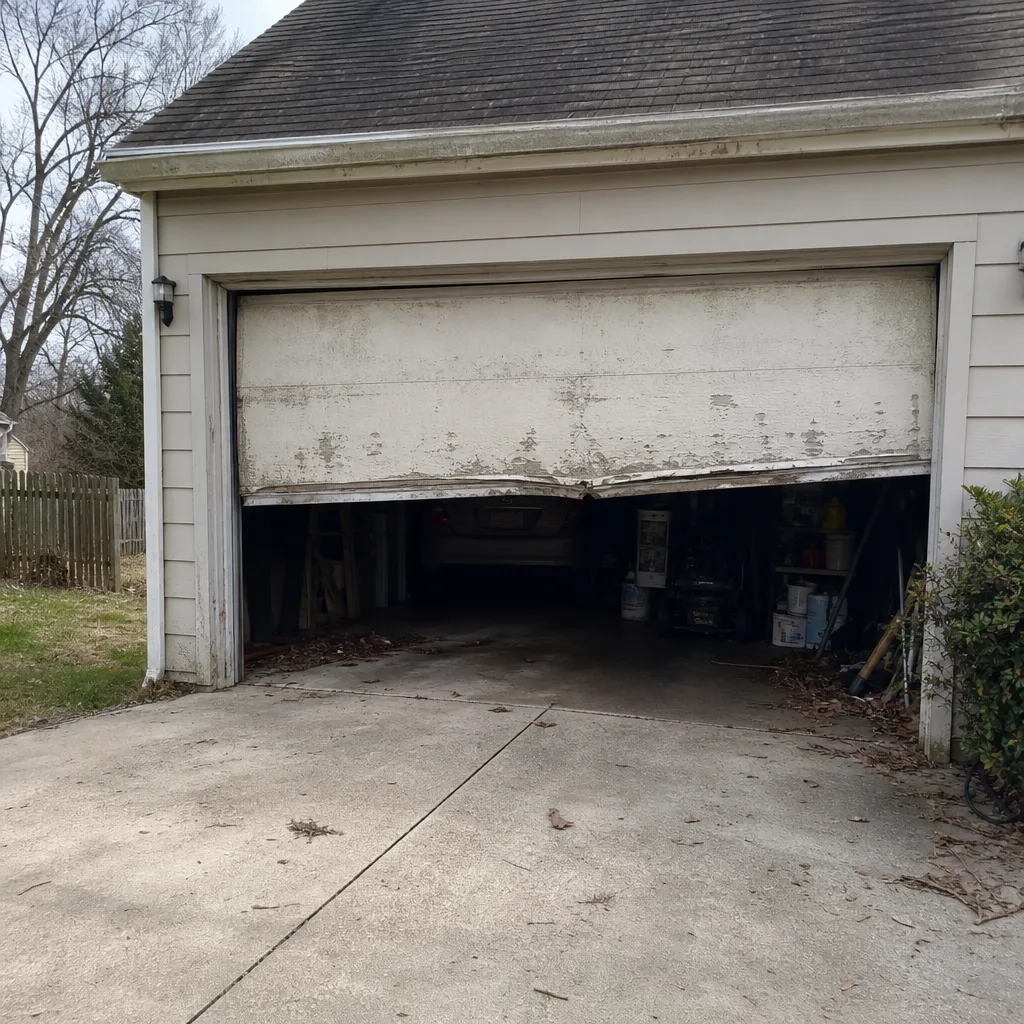 Before
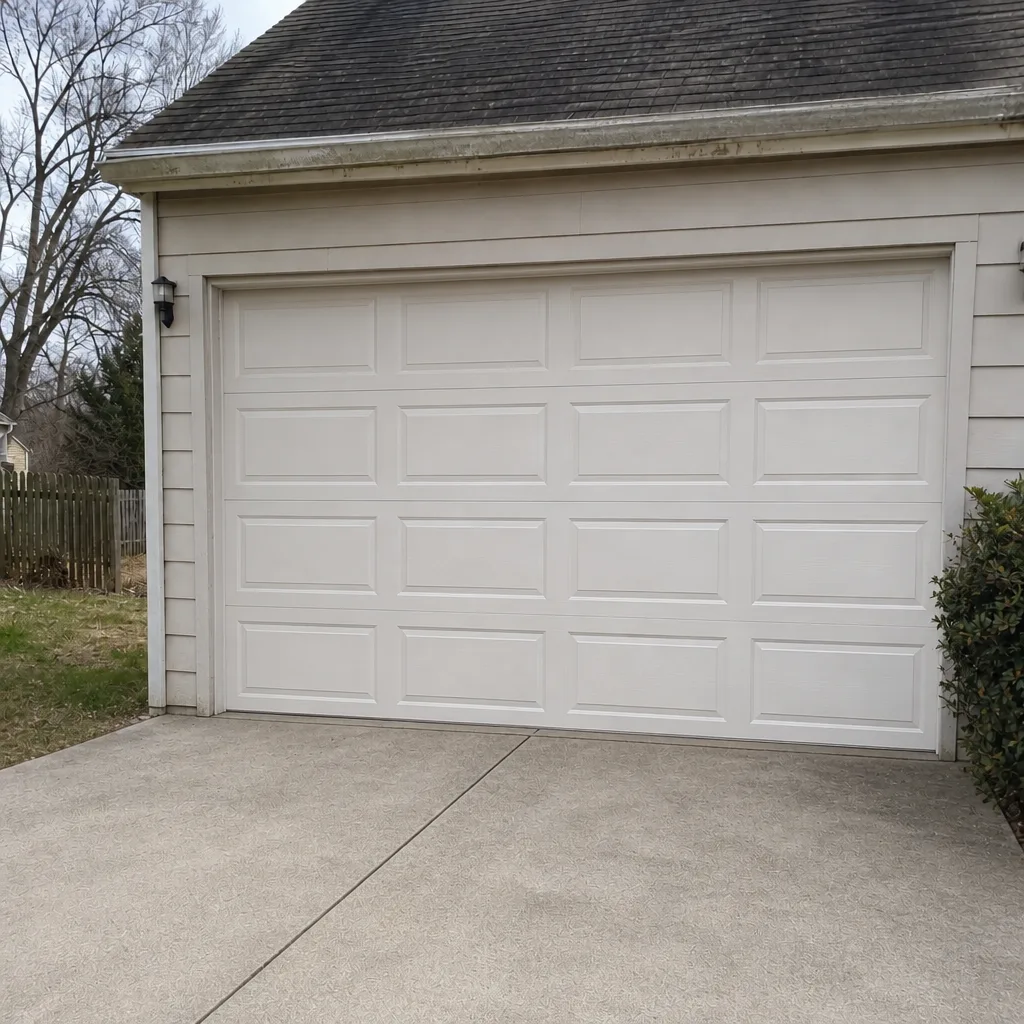 After
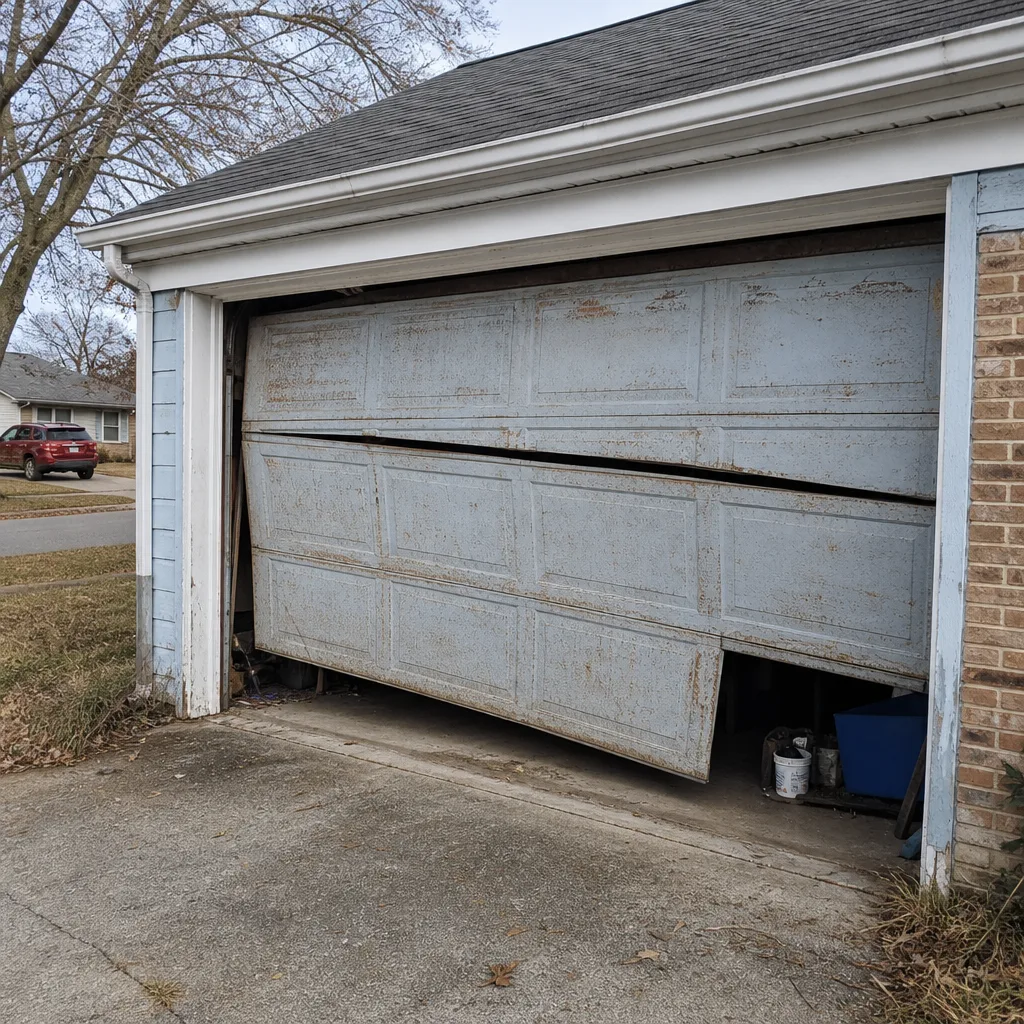 Before
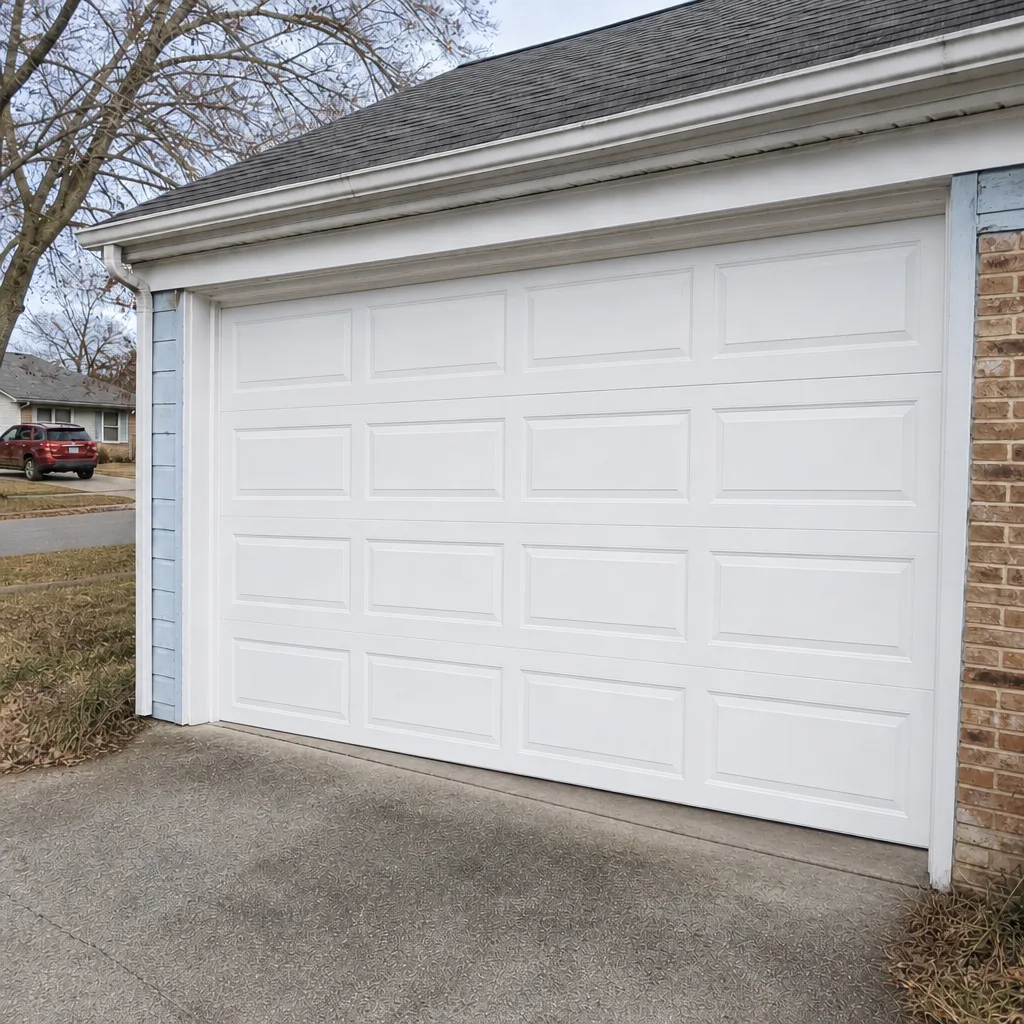 After
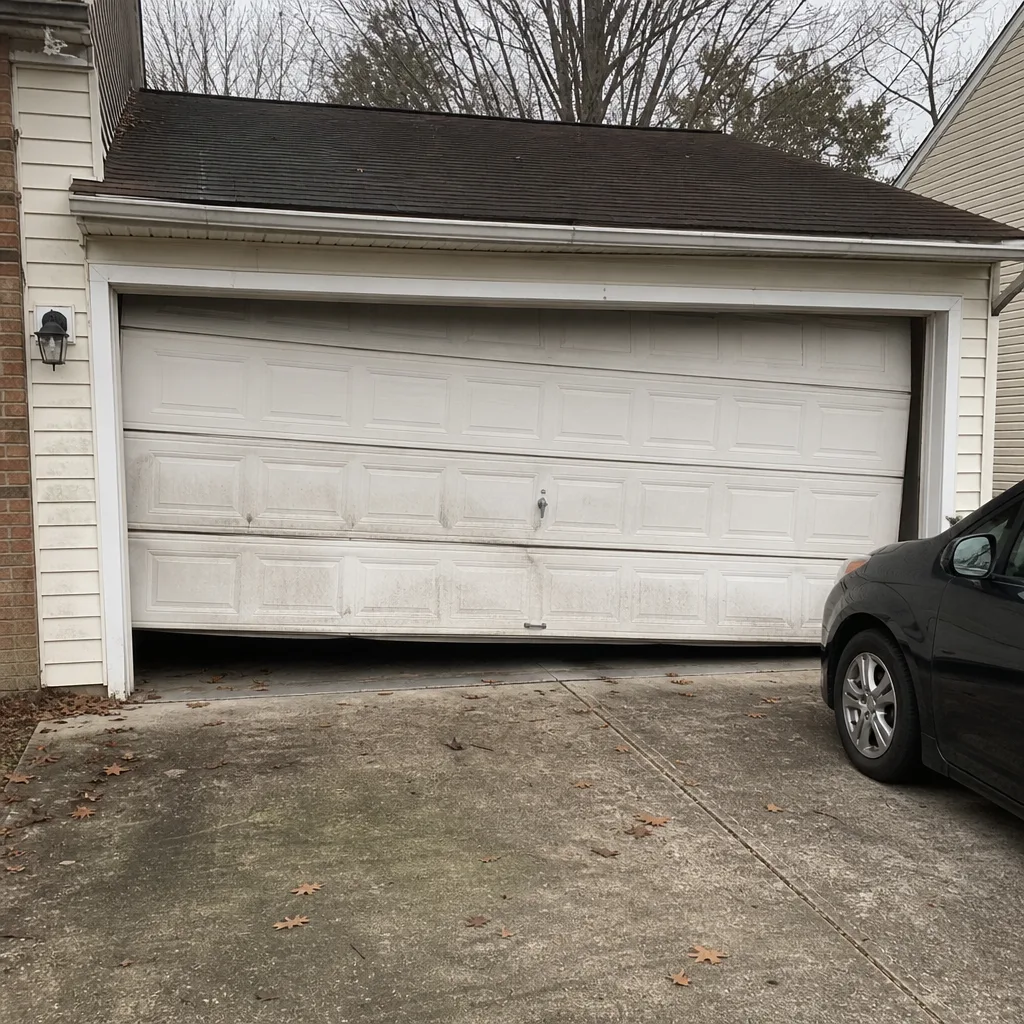 Before
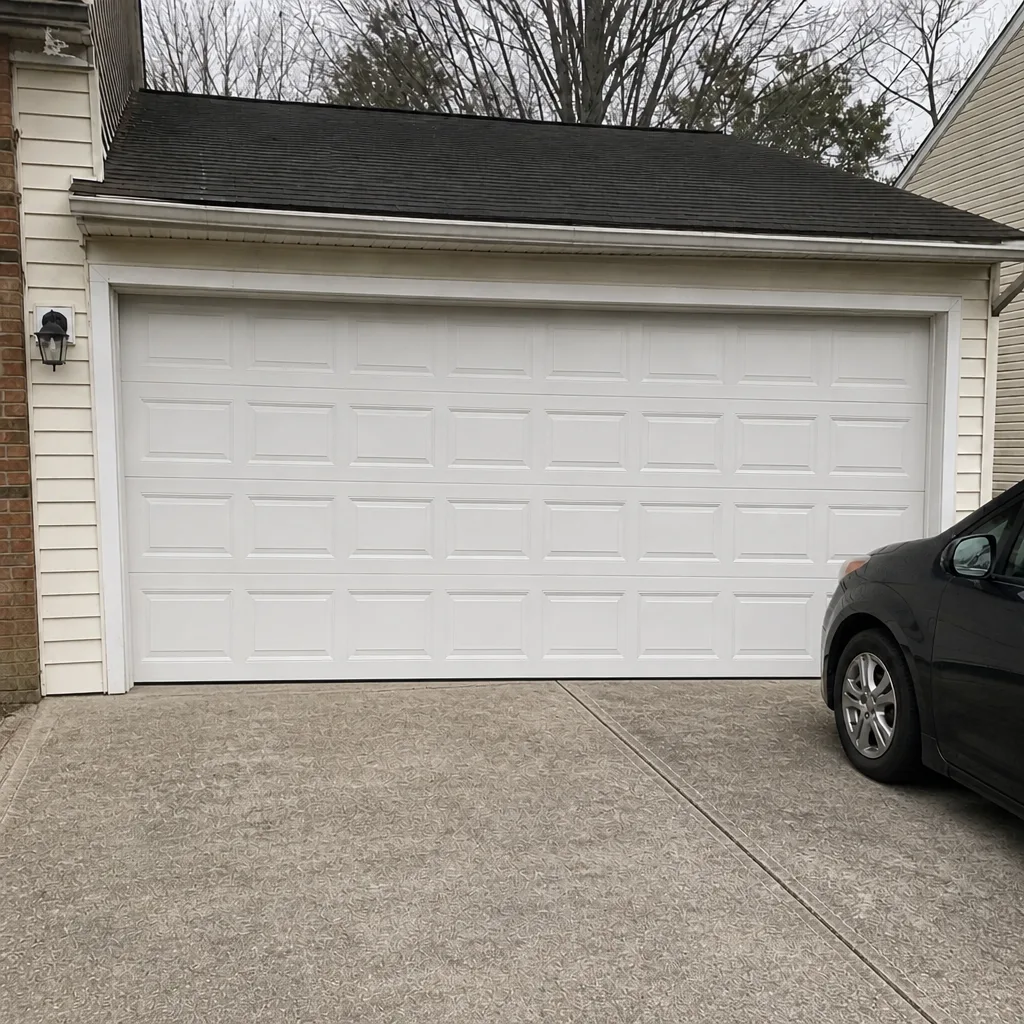 After
Common Mistakes to Avoid
- Treating a spring like a car part. Garage door springs are matched to the door’s weight and wound to a set number of turns. Swapping in a random spring from a hardware store leaves the door out of balance and can fail early.
- Loosening a cable to “see what happens.” Cables are under tension and whip when released. There’s no safe version of this for a homeowner, and the resulting damage often exceeds the original repair.
- Pulling on a stuck door. A door that won’t move is usually a broken spring or a jammed cable. Force makes the damage worse and can be dangerous when the tension releases.
- Skipping the balance check after any repair. A door should stay put when stopped halfway. If it slides, the system is out of balance and needs a professional look.
- Replacing an opener when the door is the problem. A strained opener is often responding to a heavy or unbalanced door. Fix the door first and the opener may be fine.
- Ignoring a single loud bang. That sound is usually a spring letting go. Keep everyone clear and call for service rather than testing the door to see if it still works.
- Trusting a tutorial that skips tension balancing. If the video doesn’t show how the door’s weight is dialed in, it hasn’t taught the full job, whatever it claims.
When to Call a Professional
Call a professional any time the problem involves a spring, a cable, a drum or the door’s counterbalance, and any time the door won’t stay up halfway. Call if the door is crooked, if one side rises faster than the other, if you hear a bang from the garage, or if the opener strains or clicks without moving the door. Call if the door is stuck open and the house is exposed, or if a panel or track is bent after an impact. And call if a simple fix didn’t solve it and you’re now guessing. Garage Door Repair Town Center offers free estimates in Town Center – call (833) 509-3459, and we’ll tell you honestly whether it’s a repair or a replacement.
Frequently Asked Questions
No. Torsion and extension springs store enough energy to cause serious injury, and they have to be wound to the exact tension for your door’s weight. Replacing one safely requires proper winding bars and experience. Call (833) 509-3459 for spring repair – estimates are free, and the price is quoted before work starts.
Sensor alignment, weatherstrip replacement, lubrication, track cleaning and remote or keypad programming are all safe with the door closed and the opener unplugged. Anything touching a spring, cable, drum or the door’s counterbalance is a professional job. If you’re unsure which category a task falls into, call (833) 509-3459 and we’ll point you the right way.
Spring repair is priced per spring, and a matched pair replaced together typically costs about twice the single-spring price. The exact range depends on your door’s size and weight. Call (833) 509-3459 for a free estimate, and you’ll get a written price before any work begins.
No. We quote the price and agree it with you before any work starts, and that written estimate sets the final price. If a repair reveals a bigger issue, we explain it and get your approval before doing anything else. Call (833) 509-3459 to book a free estimate.
That sound usually means a torsion spring has snapped, and the door has lost its counterbalance. Don’t keep pulling on it or force it open. Keep everyone clear and call (833) 509-3459 for emergency service – we handle broken springs and doors stuck open as core work, not an afterthought.
The local professionals we connect you with are licensed and insured as their state requires. Our technicians have up to 8 years of experience, including spring repair and the major opener brands. Call (833) 509-3459 to ask any questions before booking – estimates are free.
The Bottom Line
The DIY-versus-pro question for a Town Center garage door comes down to one thing: stored energy. Sensor alignment, weatherstrip, lubrication and remote programming are safe, worthwhile tasks to keep for yourself. Springs, cables, drums and counterbalance work are categorically different, because a slip there is unforgiving and the physics doesn’t reward confidence. A botched DIY repair usually costs more than the professional job would have, and a repair that looks simple can hide a failing component a trained eye would catch. Handle what’s safe, hand off what isn’t, and get an upfront written price before any work begins. That’s the whole guide.
When you’re ready, call (833) 509-3459 for a free estimate from Garage Door Repair Town Center – repair, opener repair, spring repair or a full new door, whichever your door actually needs.
Written by the team at Garage Door Repair Town Center.