Last updated November 22, 2026
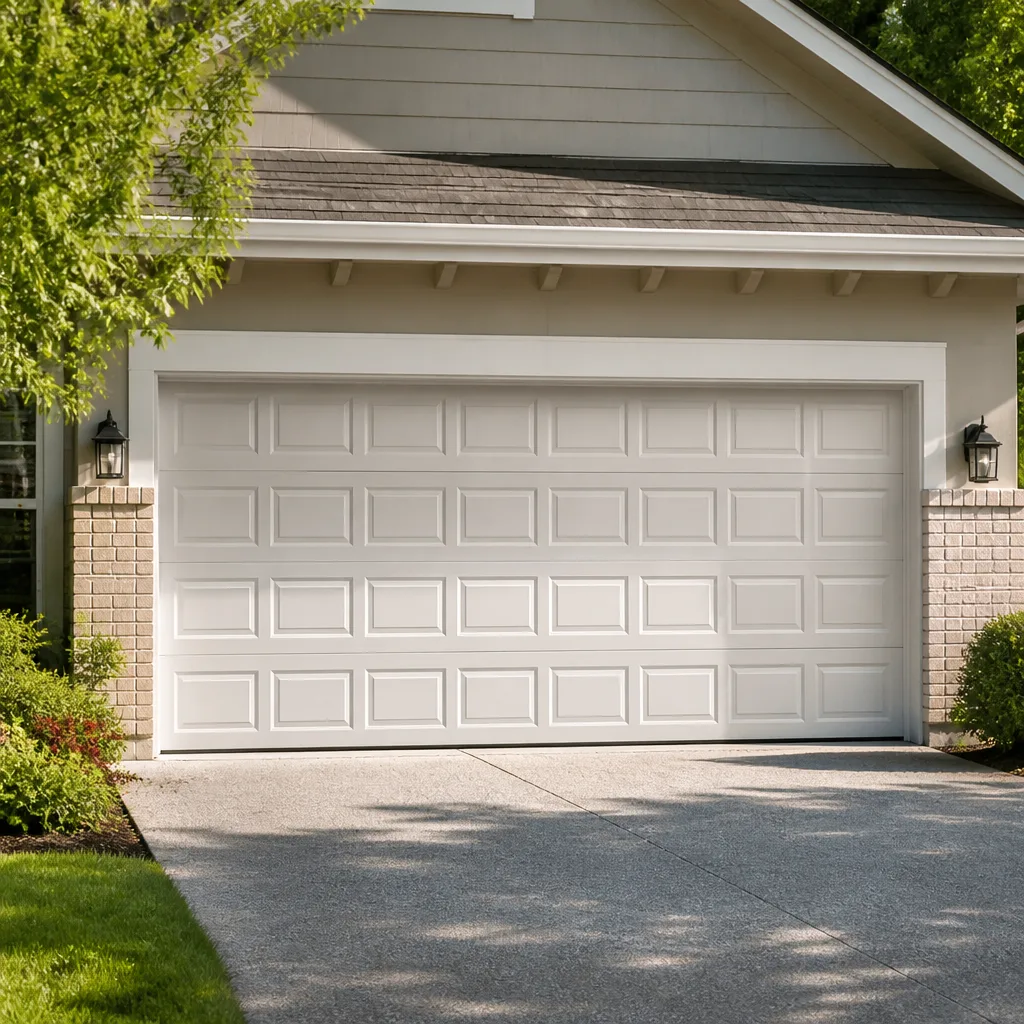 Raised-panel steel
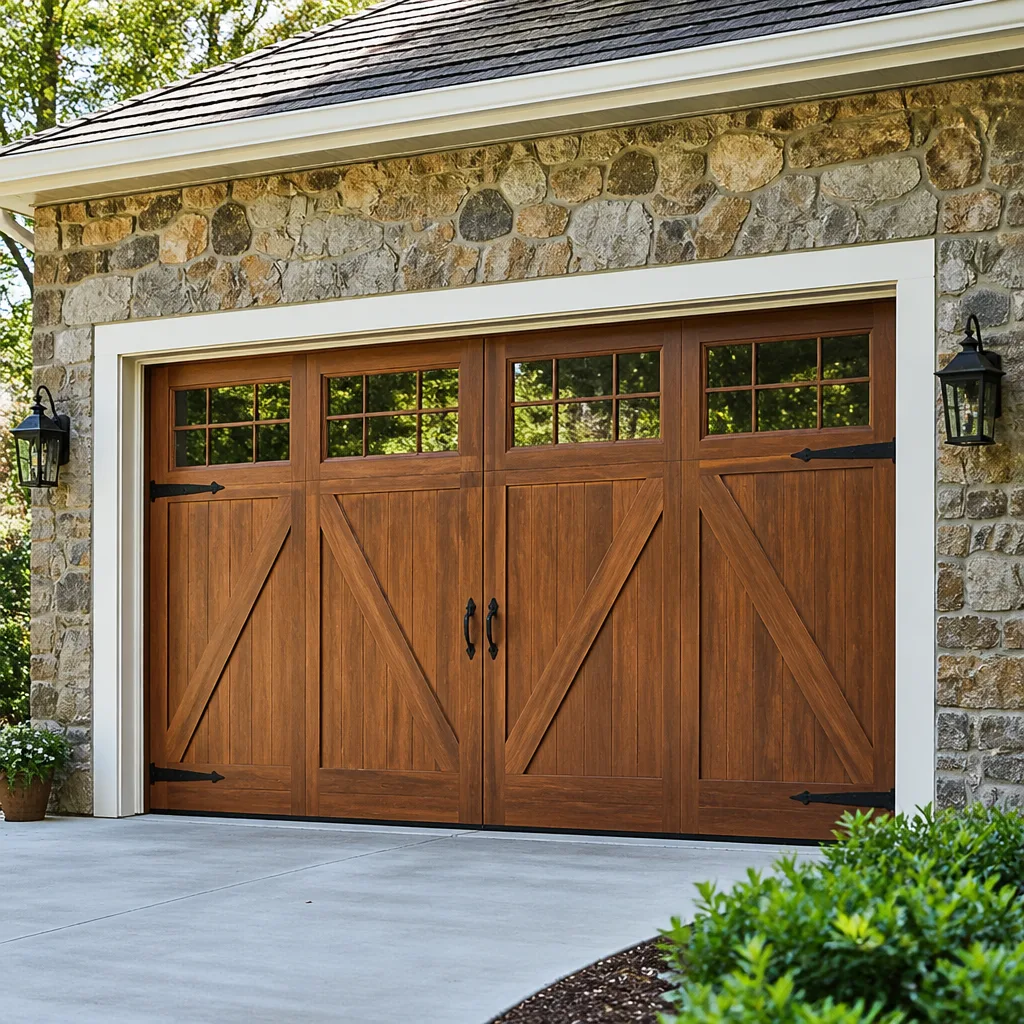 Carriage house
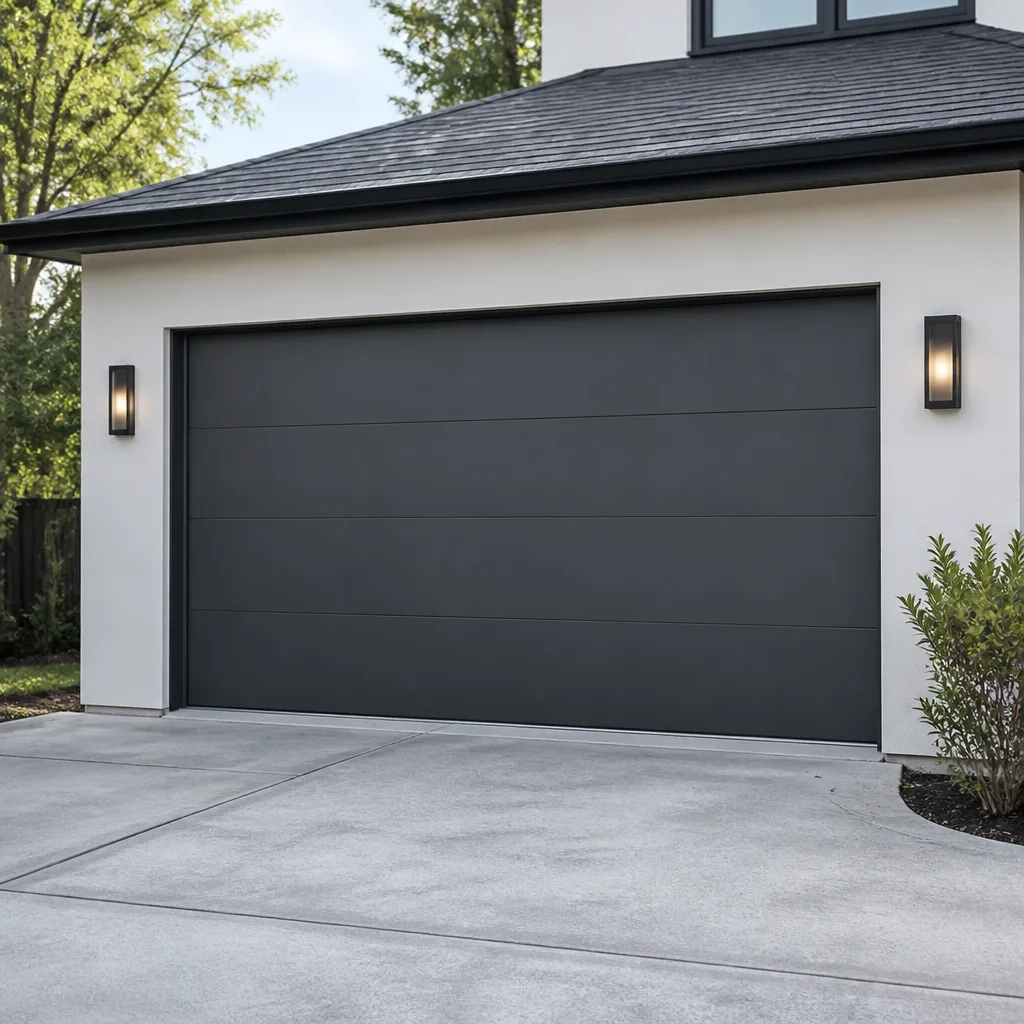 Modern flush
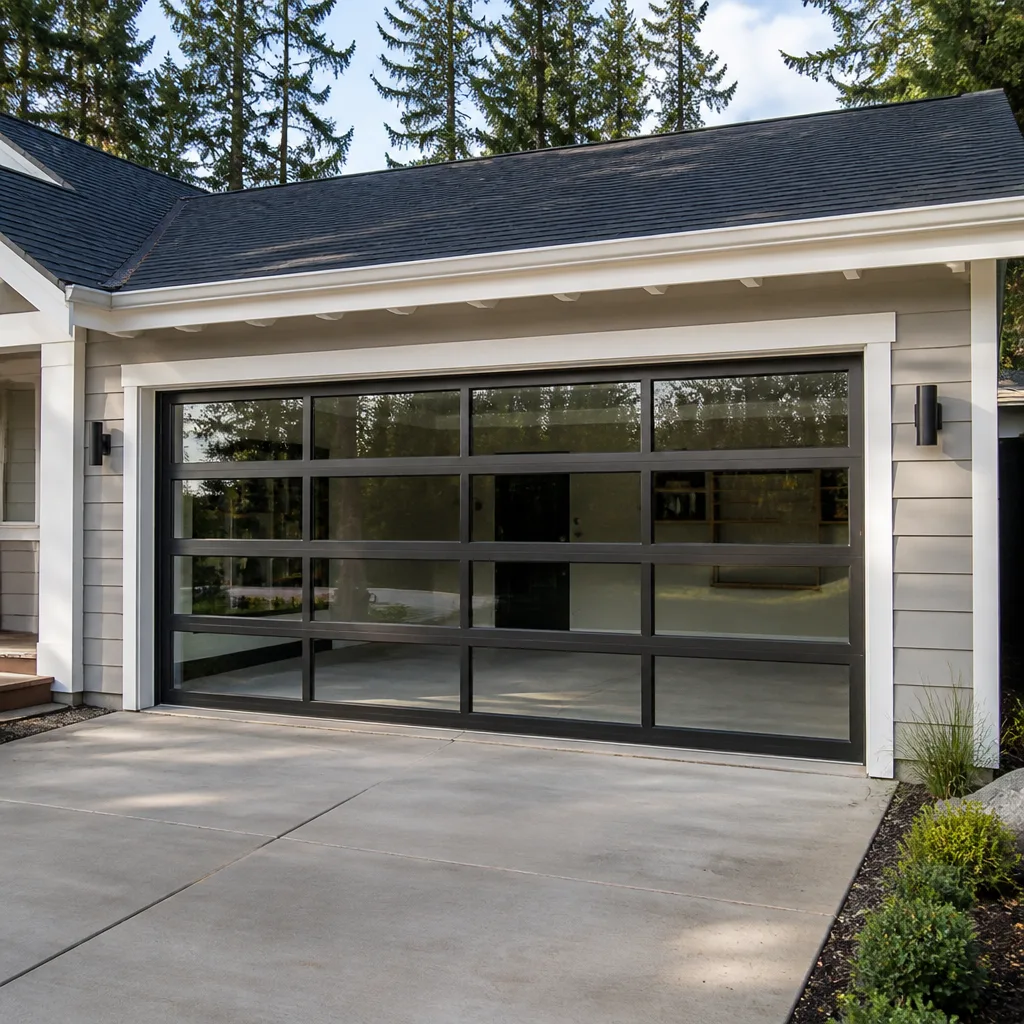 Full-view glass
 LiftMaster openers
 Chamberlain openers
Full 25-point door and opener safety check with every visit - springs, cables, rollers, tracks, and your LiftMaster or Chamberlain opener included
You get a price before we start. It does not change when the pro arrives.
Get your free estimateGarage Door Emergency Preparedness Guide for Town Center Homes
When a garage door won’t open with a car inside and an appointment in 20 minutes, most homeowners pull the emergency cord and then make the problem worse by forcing a door with a broken spring. That single reaction costs more than the original failure in a lot of cases. An emergency with a garage door isn’t one situation, it’s three: you’re trapped, your home is exposed, or a storm has bent something that shouldn’t be bent. Each one calls for a different move. This guide gives Town Center homeowners a clear decision protocol for all three, so the next time something jams at 11 p.m., you’re following a plan instead of inventing one.
Quick Answer
A garage door emergency in Town Center falls into one of three categories: a trapped vehicle, a security breach (door stuck open or unlocked), or storm damage. For a trapped car, pull the manual release only when the door is fully closed and the springs aren’t broken, never force a door against a snapped spring. For a security breach, secure the opening first and call for repair second. For storm damage, keep a bent door closed if it still seals, and call a professional before touching a door that’s pulling away from its tracks.
Styles & brands we work with
- Raised-panel steel
- Carriage house
- Modern flush
- Full-view glass
- LiftMaster openers
- Chamberlain openers
Table of Contents
- The Three Kinds of Garage Door Emergencies
- How to Use the Manual Release Correctly
- Stuck Down: Security Risk or Mechanical Failure?
- Storm Damage Protocol for Town Center Homes
- What to Have Ready When You Call
- Temporary Measures That Are Actually Safe
- Why Broken Springs Are the Highest-Risk Failure
- Common Mistakes to Avoid
- When to Call a Professional
The Three Kinds of Garage Door Emergencies
Garage door failures feel like chaos in the moment. In practice they sort into three categories, and knowing which one you’re in decides your next move before you touch anything.
- Trapped vehicle. The door won’t open and your car is inside. The clock matters here. You need the door clear, but you also need to avoid damaging the door, the tracks, or yourself in the process.
- Security breach. The door is stuck up, stuck partway, or won’t latch. Your home is open to the street. The priority shifts from “get my car out” to “secure the opening.”
- Storm damage. Wind, a falling branch, or a hard impact has bent a panel, popped a roller out of its track, or shifted the whole door in its frame. This is the one where the wrong reaction causes the most structural harm.
Each scenario has a different first move, and mixing them up is how a two-hour repair becomes a full replacement. A Town Center homeowner dealing with a stuck door in a townhome row has one extra consideration: the shared wall. A door that’s forced against a broken spring can send a cable whipping into the frame, and in tightly built townhome construction, that frame is often the wall between you and your neighbor.
The good news is that once you’ve sorted your situation into one of these three buckets, the path forward is predictable. The rest of this guide walks through each one. If the failure is strictly mechanical and you still have access, our team handles garage door repair for all the major brands, but read the protocol first. Your next five minutes matter more than a phone call right now.
How to Use the Manual Release Correctly
The manual release cord is the first thing most homeowners reach for when the door won’t open, and it’s also the most misunderstood part of the whole system. Used correctly, it lets you open the door by hand when the opener has died. Used incorrectly, it’s the exact step that causes secondary cable damage and, in some cases, drops the door.
Here’s the correct procedure, in order:
- Stop pressing the wall button or remote. Any stored force in the opener has to be cleared first.
- Look at the door’s position. If the door is fully down and sitting level, the springs are under tension and the door is stable enough to release. If the door is up or partway up, do not pull the cord. This is the “disconnecting under load” mistake. A door released while it’s up, with a spring that’s failed, will drop fast, and it can snap a tension cable or pull a bracket free from the wall.
- Pull the release handle down and toward the door (never sideways) in one smooth motion. If it resists, don’t yank it. A stuck release usually means the door is under load and should be handled by a technician.
- Lift the door by hand slowly, using the bottom panel handle. A properly balanced door should lift with one hand and stay open at about chest height. If it feels heavy or slams back down, stop lifting. That’s a spring problem, not an opener problem.
The misconception worth clearing up is that the manual release is a “safety override” that always works. It’s a mechanical disconnect, not a fix. If the springs are broken, releasing the door doesn’t make it openable by hand. It just removes the opener’s ability to hold it up. That’s why the safest approach when you suspect a spring has failed is to leave the door down and call for help rather than experimenting.
If you’ve already pulled the release and the door won’t lift or won’t stay up, the failure is in the spring or cable system. Don’t force it. Our technicians have up to 8 years of experience diagnosing exactly this kind of situation, and the fix is usually simpler than the panic suggests.
Stuck Down: Security Risk or Mechanical Failure?
A door that won’t open looks the same whether the problem is a dead opener, a broken spring, or a power issue. But the question that actually matters in an emergency is different: is the door stuck down securely, or is it a security risk while it’s stuck down? And there’s a third case worth checking for first, which is that the door is stuck up or partway open and your home is exposed.
Work through this sequence:
- Check the physical state of the door. Is it fully closed and resting flush in the frame? Push gently on the bottom panel. If it doesn’t move, the door is mechanically in place and the failure is in the opener, the power, or the springs.
- Check the power source. Confirm the opener has power (look for a light, listen for any hum), check the breaker, and try the wall button in addition to the remote. A dead remote battery is not an emergency.
- Test the safety sensors near the floor. If a sensor is misaligned or blocked, many openers will refuse to close but still allow opening. If yours won’t do either, the problem is usually upstream of the sensors.
- Determine exposure. If the door is stuck up, or closed but not latched, the priority is securing the opening. Turn the door’s lock bar if it has one, park a vehicle in front of the opening, or use a heavy object against the inside bottom panel as a temporary hold.
For a door that’s stuck down and secure, the failure is mechanical and can usually wait for a scheduled repair, though a door that won’t open at all still needs to be resolved so you can get to work. For a door stuck up or unlatched, treat it as a security matter. Call for emergency service even if it’s late, because the risk of an exposed opening is higher than the cost of a call-out.
In our experience, doors that fail in weird positions (halfway, one side higher than the other) are telling you something specific about the cable or spring system. That’s when a same-day visit is smarter than a same-day fix attempt.
Storm Damage Protocol for Town Center Homes
Storm damage to a garage door splits into two very different situations, and the decision to open or leave the door closed is the one that determines how bad things get. The short version: a bent door that still seals is usually a wind barrier worth keeping closed. A door that’s visibly pulling away from its tracks or sagging at a hinge is a structural concern that should not be operated.
Here’s how to tell which one you’re looking at:
- Bent but sealed. A panel has a dent or a crease, but the door still sits flat in the frame, the bottom seal touches the floor, and nothing is popping out of the tracks. Leave it closed and call for repair. Opening it can put strain on a compromised panel and bend it further.
- Pulling away from the tracks. One or more rollers have come out of the track, or the track itself is bent away from the door. Don’t open it. Operating a door with a roller out of track can bend the top section and turn a panel repair into a full-door replacement.
- Sagging or off-level. The bottom of the door is uneven, or the whole door has shifted sideways in the opening. This usually means a cable, spring, or hinge issue triggered by the impact. Keep the door down and don’t run the opener.
- Downed line or debris against the door. A branch leaning on the door is still, unfortunately, a live load. Don’t drive or operate the door until the debris is cleared safely, and don’t try to pull a heavy limb off the top of the door yourself if it’s resting on the panel.
Hail is uncommon in this part of Virginia, so the more likely storm scenario for a Town Center home is wind-driven rain, a fallen limb, or the type of wind gust that slams a door against its frame and knocks a roller out of track. That’s a different kind of damage than impact, and it usually presents as a door that runs but wanders, or a door that one side of the opener strains to lift.
If your door is in one of the “don’t operate” categories above, call for emergency service. For doors that just need a panel replaced or realigned, our garage door installation team can assess whether the damage calls for a single panel swap or a fuller replacement, and give you a written price before any work starts.
What to Have Ready When You Call
The single biggest time-saver in a garage door emergency is a clear description of what’s happening. Technicians arrive with the right parts and the right tools when the call gives them enough to plan, and the same call wastes a whole visit when it’s just “the door’s broken.” Have four things ready before you dial:
- Component description. What part is visibly involved? “The door won’t go up” is different from “the door goes up about a foot and stops” which is different from “the motor runs but nothing moves.” Say what you see.
- Opener model. Look at the opener housing on the ceiling. You’ll usually find a brand name (Chamberlain, Genie, LiftMaster, Craftsman) and a model number on a label. Even the brand name alone helps.
- Symptom sequence. What happened first? Did the door start making noise before it stopped? Did it reverse on the way down? Did the remote stop working before the wall button? The order matters more than the final state.
- Door type and material. Steel, wood, composite, single-car, double-car. Brand name on the door (Clopay, Amarr, Wayne Dalton, Raynor) is a bonus if you can find it, but the type and size are enough to start.
Also have your address and the door’s current position ready. “It’s stuck about halfway up” tells a technician there’s a spring or cable failure to prepare for, and that changes what goes on the truck. An accurate first call is worth about 20 minutes of back-and-forth and, in a Town Center townhome where the door is tight to a shared wall, it can be the difference between a routine repair and a more involved job.
Temporary Measures That Are Actually Safe
There’s a fine line between a helpful temporary measure and one that looks harmless but creates more work for the technician who arrives. The safe interim steps are the ones that don’t put load on the door’s mechanical systems. Here’s the clear split.
Safe to attempt:
- Unplug the opener to stop it from trying to run. A door that’s cycling on its own because of a failing limit switch will damage itself until power is removed.
- Lock the door’s manual lock bar if it has one, or place a heavy object against the inside of the bottom panel to hold a stuck-up door from moving further.
- Park a second vehicle in front of an exposed opening overnight.
- Clear loose debris away from the door’s path if it’s safe to reach.
- Use the manual release only under the conditions described above (door fully down and stable).
Looks helpful but creates problems:
- Forcing the door up or down by hand against resistance. This is how cables jump their drums and springs bend past recovery.
- Disconnecting the opener armature from the door (the bracket on the door itself). Reattaching it correctly means realigning the arm, and a misaligned arm is a common cause of opener failure.
- Using a lubricant on the spring or cables. This looks like maintenance, but it makes a broken spring harder for the technician to inspect and can hide the actual failure point.
- Straightening a bent track with a hammer or pry bar. Tracks have precise tolerances, and a home-straightened track is nearly always replaced rather than repaired.
- Cutting a broken spring off its torsion bar. This is the one step that turns a routine spring repair into a serious safety incident.
None of these are about protecting our time. They’re about protecting the door, and in the case of the spring, protecting you. Technicians who arrive to a door that’s already been “stabilized” spend half the visit undoing the temporary fix.
Why Broken Springs Are the Highest-Risk Failure
Torsion springs and extension springs store enough energy to move a door that weighs well over a hundred pounds. When one breaks, that stored energy releases suddenly. This is the reason spring repair is the highest-risk job in garage door work, and it’s the one failure that should always be a professional repair.
What a broken spring typically looks like and sounds like:
- A loud bang from the garage, often followed by the door slamming down or the opener light coming on with the door not moving.
- A visible gap in the torsion spring coil on the bar above the door, or a stretched extension spring hanging loose.
- The door feels extremely heavy when lifted by hand, or won’t stay open at all.
- The opener runs but the door doesn’t move, or the motor strains and stops.
The reason we flag this so directly is that the failure mode of a broken spring, when someone tries to force the door, is a snapped cable. Cables whip and can injure a person standing nearby. For Town Center homeowners who share a wall or a driveway with a neighbor, a snapped cable is also a risk to the frame and to anything stored near the door. This is not a “let it go for a week” failure, and it’s not a job for a homeowner with a pry bar.
Spring repair is exactly the kind of work our technicians train for. The right repair means measuring the wire gauge and length, matching the replacement, and rebalancing the door before the opener is tested. That’s not something you can eyeball, and it’s why we say spring repair done safely is the reason to call.
If the spring failure has also affected the opener (which is common, because the opener tries to lift a door that’s suddenly four times heavier than it can handle), our garage door opener repair team can address both in one visit. That single-source capability matters. You don’t want to find a second company because the first one doesn’t handle the other half of the problem.
Are the technicians licensed and insured?
The local professionals we connect you with are licensed and insured as their state requires. We ask for that documentation as part of how we vet the technicians who show up at your door in Town Center. If you have a specific insurance or licensure question for a job, raise it when you call, and we’ll make sure the answer is clear before anyone is scheduled.
Common Mistakes to Avoid
- Pulling the manual release while the door is up. This is the single most common cause of secondary damage in garage door emergencies. The door is under load, and releasing it that way can snap a cable or drop the door.
- Forcing a door against a broken spring. When the spring has failed, the opener is lifting a much heavier load than it was designed for. Forcing it makes the opener the next casualty, and the door may not survive the attempt either.
- Assuming a stuck door is an opener problem. If the door lifts by hand with normal weight, the opener is the likely culprit. If the door feels heavy or won’t stay up, the problem is mechanical, and calling an opener specialist first wastes a visit.
- Leaving a stuck-up door open overnight without securing it. A door that’s stuck open is an open invitation, and Town Center townhomes in particular don’t always have a second barrier between the garage and the living space. Secure the opening before bed, even if the repair has to wait.
- Trying to straighten a bent track yourself. A track that’s been hammered back into shape is rarely true again, and a door that runs on a bent track will chew through rollers and hinges within a few weeks.
- Thinking a dead remote means emergency service. A remote that needs a battery, or a wall button on a tripped breaker, is a five-minute fix and not a reason to pay for a call-out. Check the basics first.
- Waiting to call on a spring failure. A broken spring usually means the door is unoperable, and in a single-car garage it can leave you without your vehicle the next morning. Call the same day.
See the difference
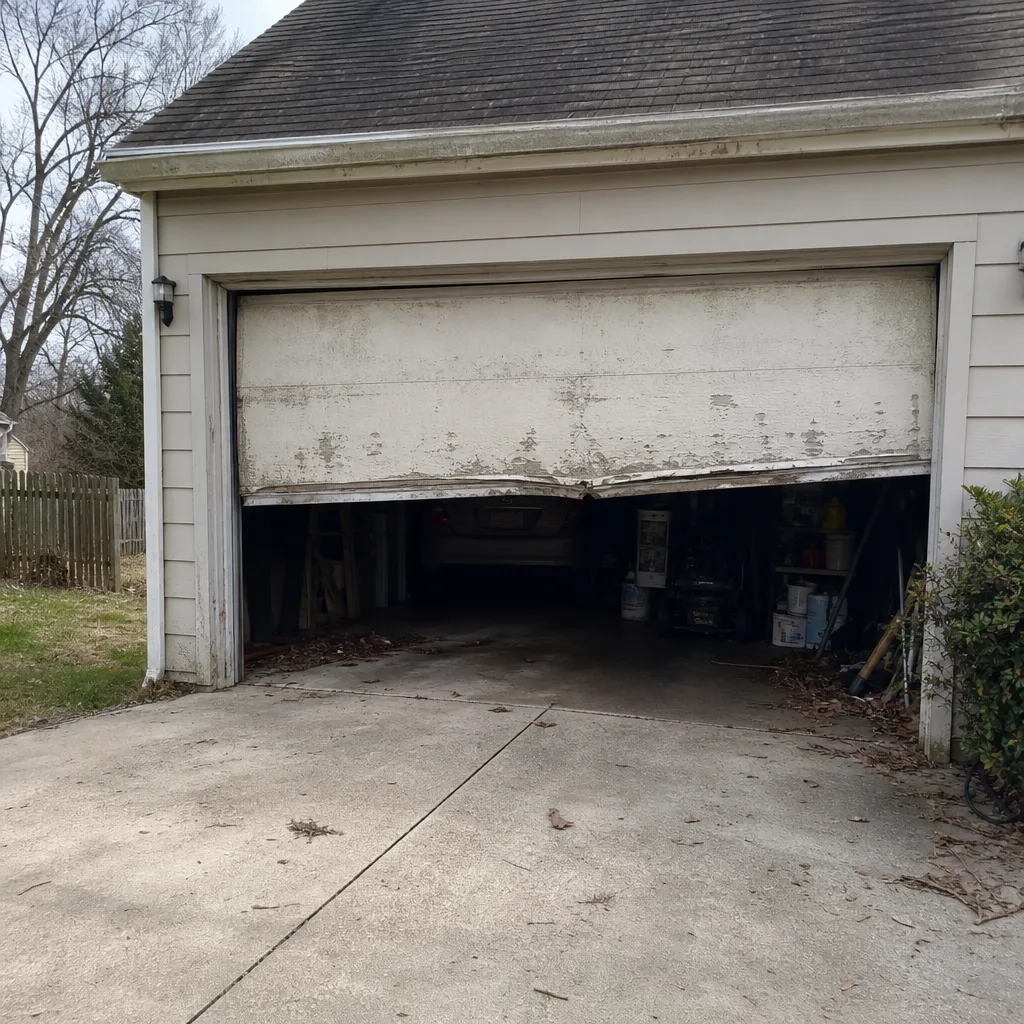 Before
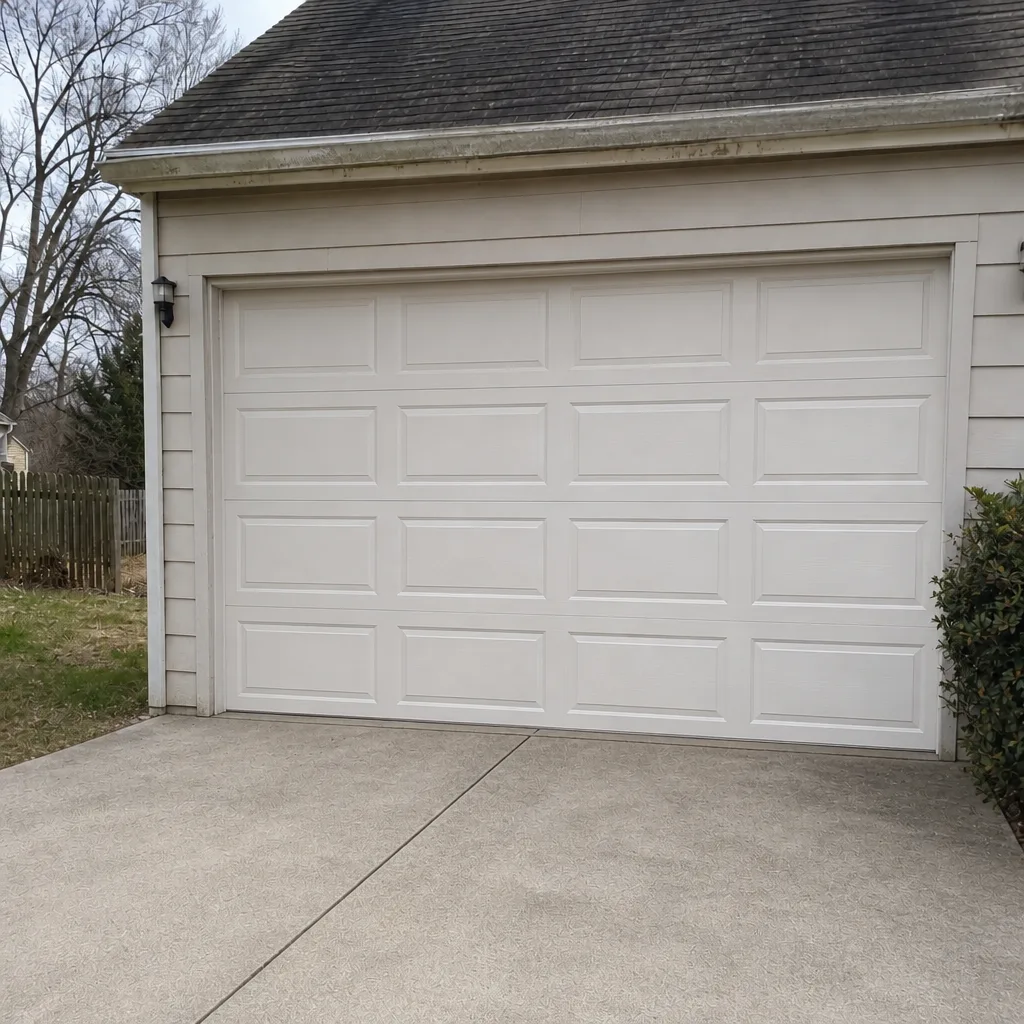 After
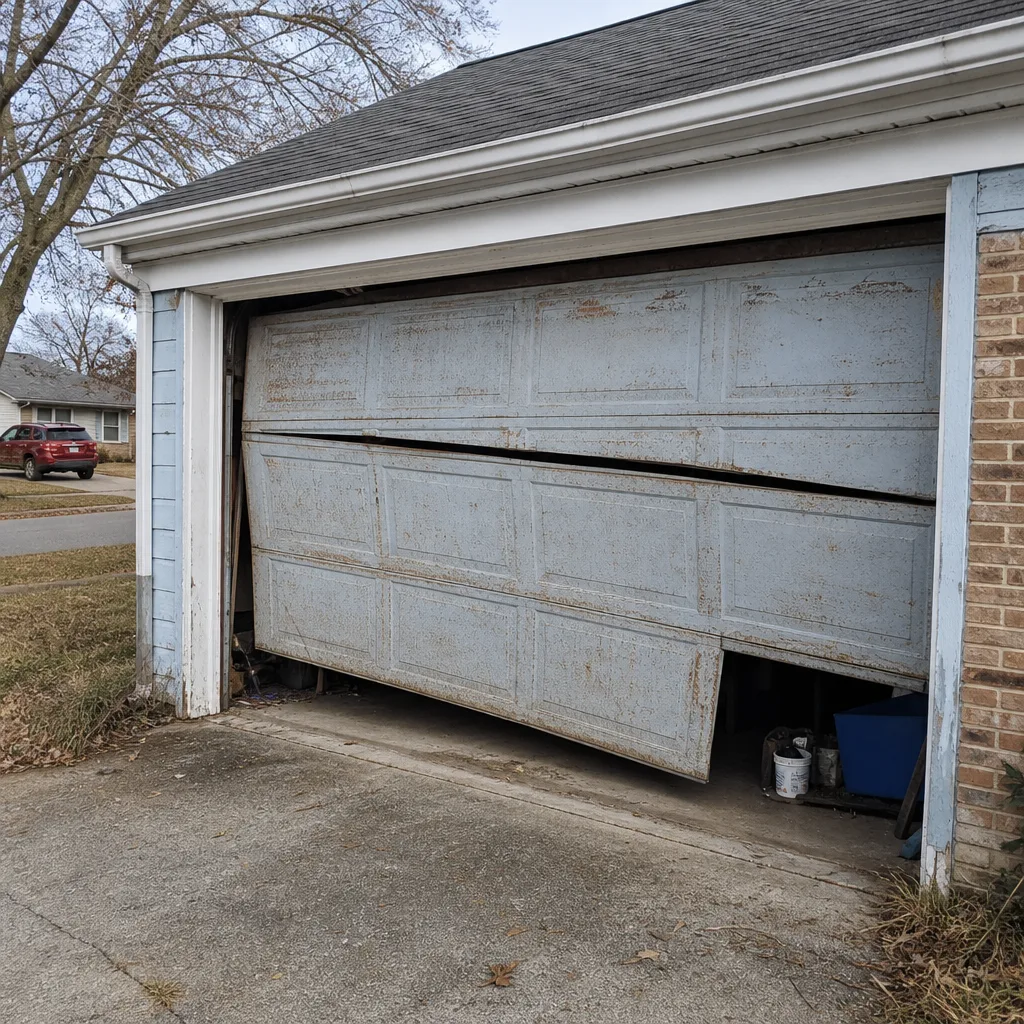 Before
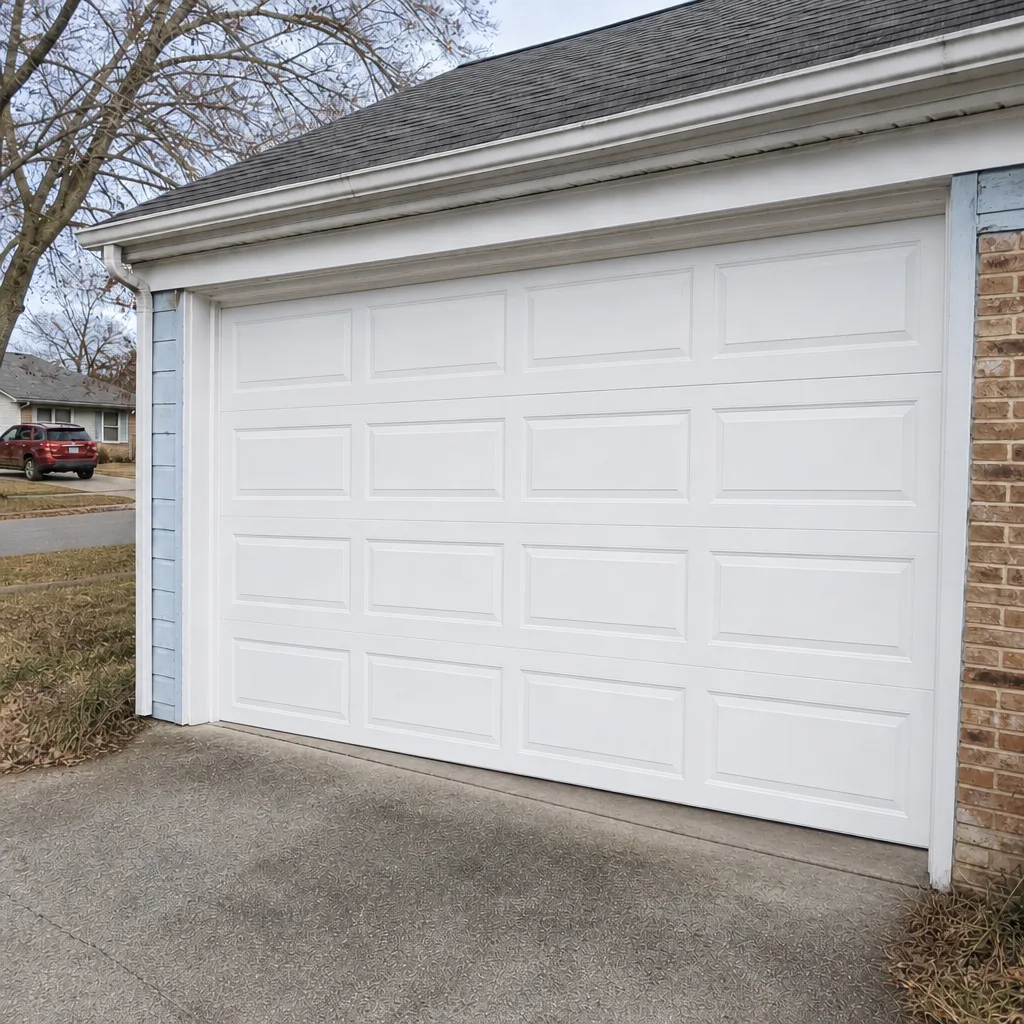 After
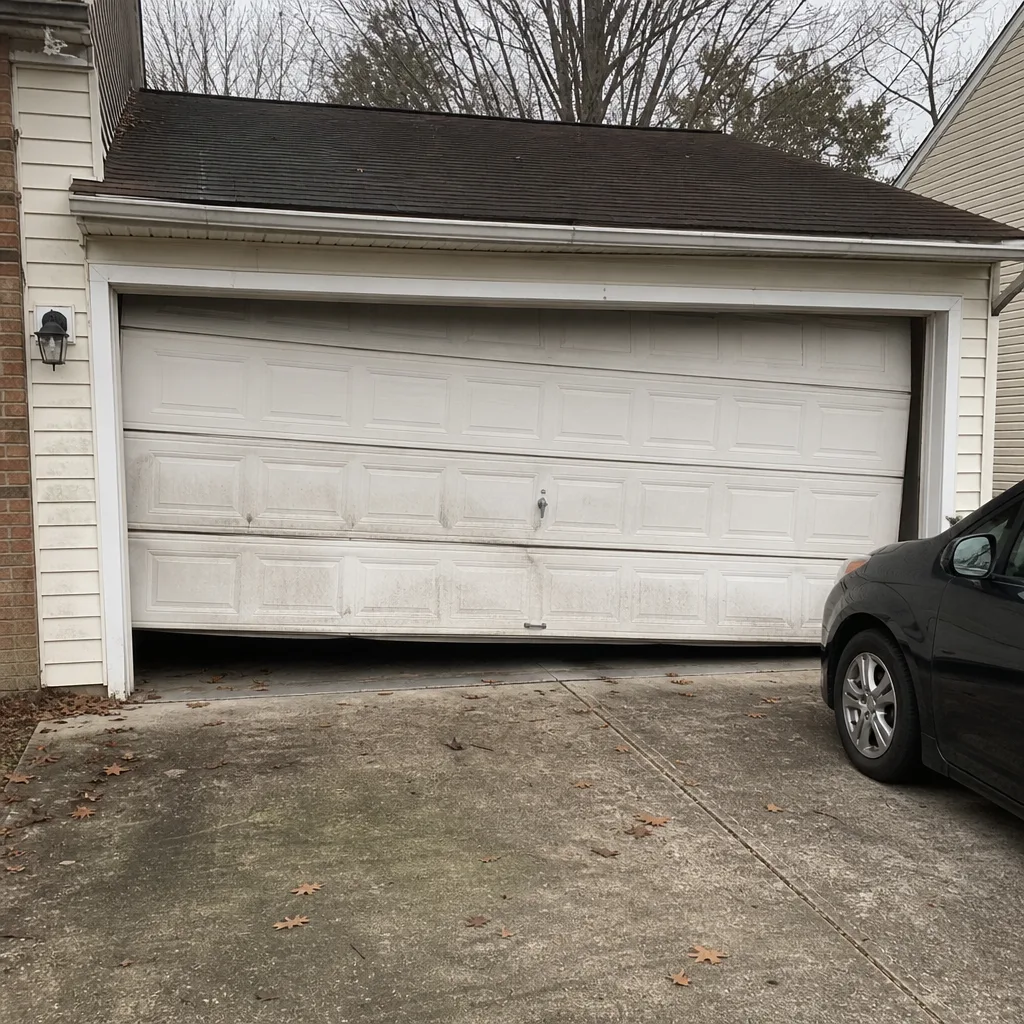 Before
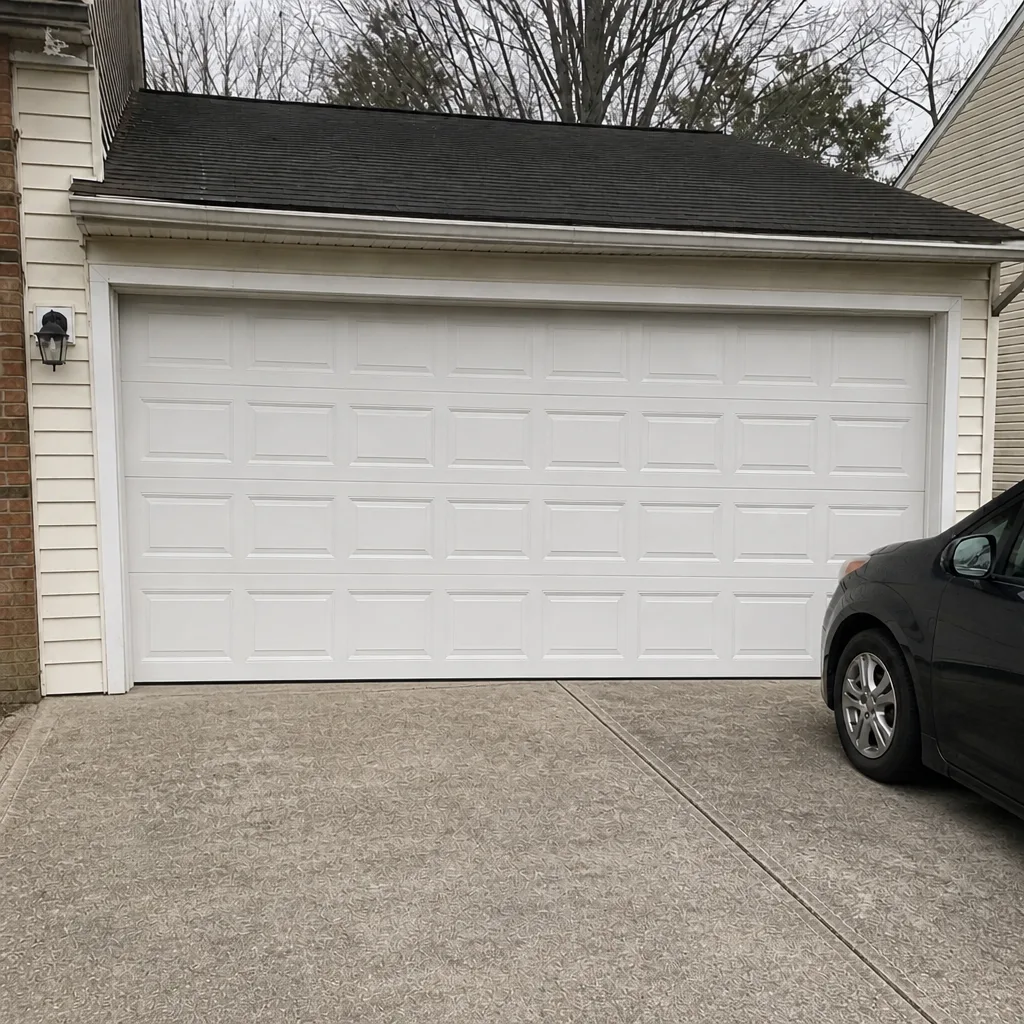 After
When to Call a Professional
Call a professional immediately when a spring has snapped, when the door is stuck up and your home is exposed, when a cable is visibly slack or hanging, when the door has been hit or a limb has fallen on it, or when an opener is cycling on its own and won’t stop. Those are the situations where a homeowner attempt is more likely to add cost than save it. For anything less urgent (a noisy opener, a remote that needs re-pairing, a single panel with a dent), a scheduled repair makes more sense than an emergency call.
Garage Door Repair Town Center offers free estimates in Town Center, and the estimate is written before any work starts, so you’ll know the price before anyone touches the door. If something has failed and you need to know whether it’s a repair or a replacement, we’ll tell you straight. Our technicians have up to 8 years of experience across the industry’s most common door and opener brands, including Chamberlain, Genie, Clopay, and Amarr.
Frequently Asked Questions
Yes, but only if the door is fully closed and you follow the release procedure carefully. Pull the release cord only when the door is down and level, then lift by the bottom handle. If the door feels heavy or drops back down, the spring system is involved and you should stop and call for repair. Never pull the release while the door is up.
It’s a security emergency if the door is stuck up, stuck partway, or closed but not latched, because the opening is exposed. It’s a mechanical failure (still urgent, but not a breach) if the door is stuck fully closed and secure. In the security case, secure the opening first, then call for repair. In the mechanical case, schedule the repair as soon as you can. If you’re not sure which one you’re dealing with, call us at (833) 509-3459 and we’ll help you sort it.
Yes, if it still seals and isn’t popping out of its tracks. A closed door that holds against the frame is doing its job as a wind barrier. Don’t open it to “check” if a roller has clearly come out of the track or the door is sagging at a hinge, because operating it can bend the panel further. Call for an assessment instead.
That’s typically a broken spring or a snapped cable. The opener has nothing to lift against because the counterbalance system has failed. This is the classic sign of a broken torsion spring. Don’t keep pressing the button, because the opener motor will overheat trying to move a door it can’t lift. Call (833) 509-3459 for a same-day assessment.
Have four things ready: what part is visibly involved, the opener’s brand and model (if you can find it on the label), the sequence of what happened, and the door’s current position. The more specific you are, the faster the technician can plan for the right parts. Have your address ready too. For an exact quote, call (833) 509-3459, and estimates are free.
No. The written estimate sets the price, and that’s the number you pay. If a technician arrives and finds something different than what was described on the phone, they’ll explain it before doing any work and you’ll get an updated written price to approve. That’s how we work in Town Center and everywhere else: price agreed before work starts.
The Bottom Line
Garage door emergencies split into trapped vehicle, security breach, and storm damage, and each has a different first move. For a trapped car, pull the manual release only when the door is down and stable, never against a broken spring. For a security breach, secure the opening before you call. For storm damage, keep a bent door closed if it still seals and don’t operate a door that’s out of track. Know what to tell dispatch, don’t attempt temporary fixes that make the technician’s job harder, and always treat a snapped spring as a same-day call. That decision protocol is what keeps a bad night from becoming a bad week.
Contact
If your door has failed, is stuck, or is showing any of the signs in this guide, call Garage Door Repair Town Center at (833) 509-3459 for a free estimate. We work on the brand you already have, handle spring, opener, and panel repairs, and can move to a full replacement if the door is beyond saving. Price is quoted and agreed before any work starts, and our Garage Door Repair Town Center team is ready when you are.
Written by the team at Garage Door Repair Town Center.