Last updated November 22, 2026
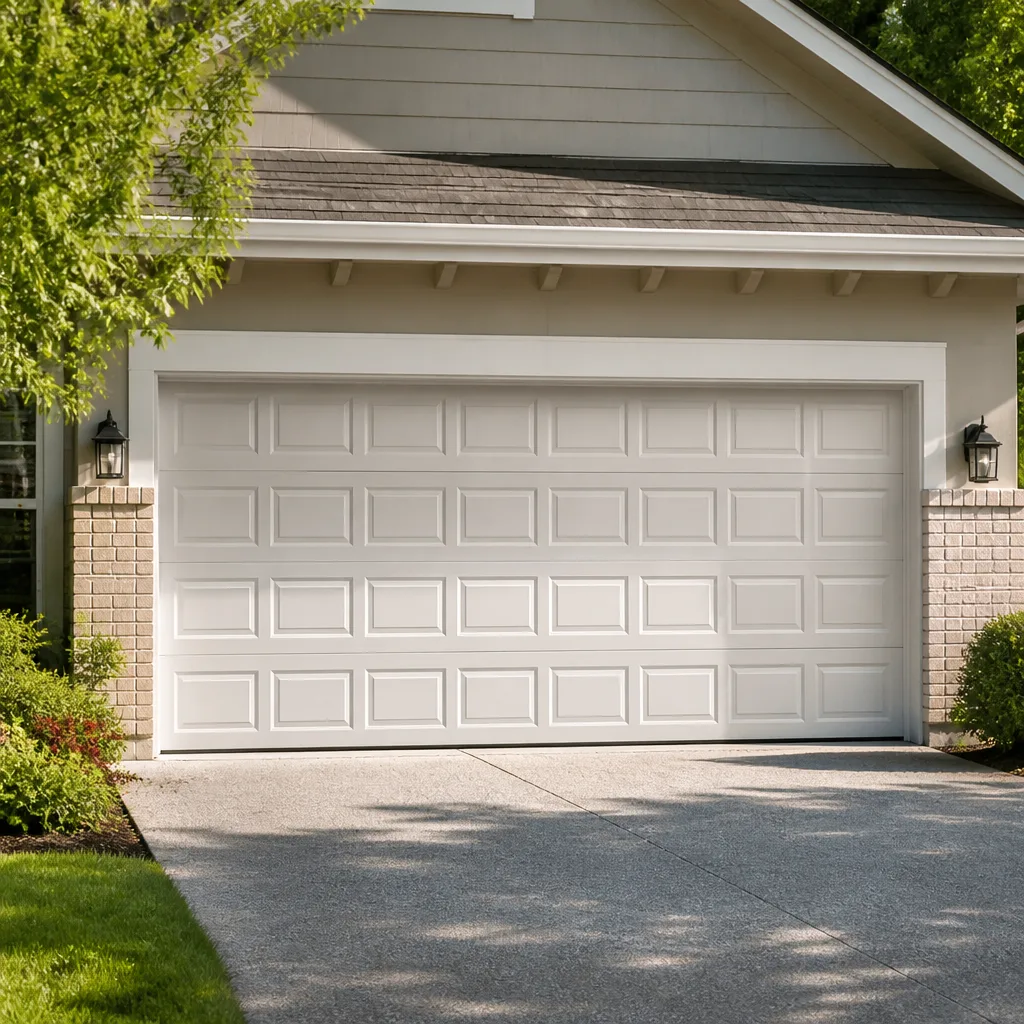 Raised-panel steel
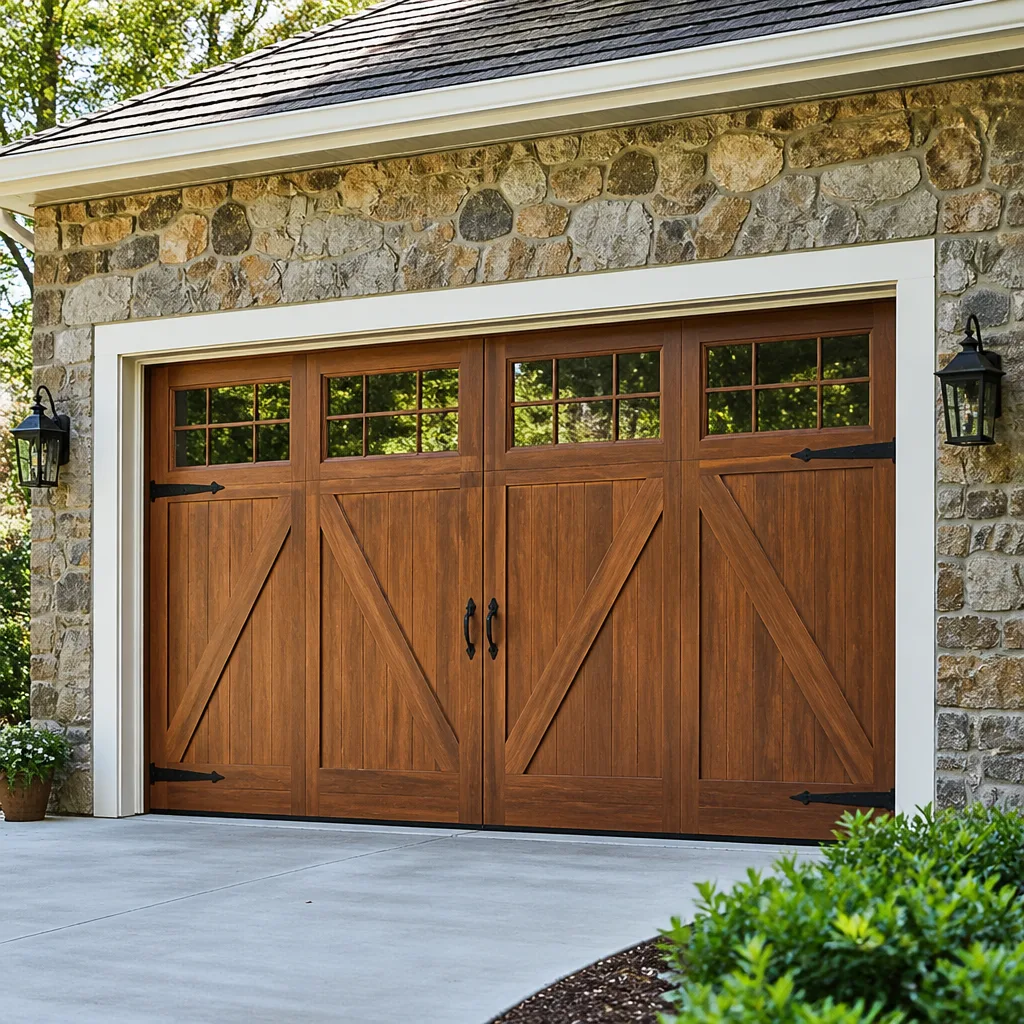 Carriage house
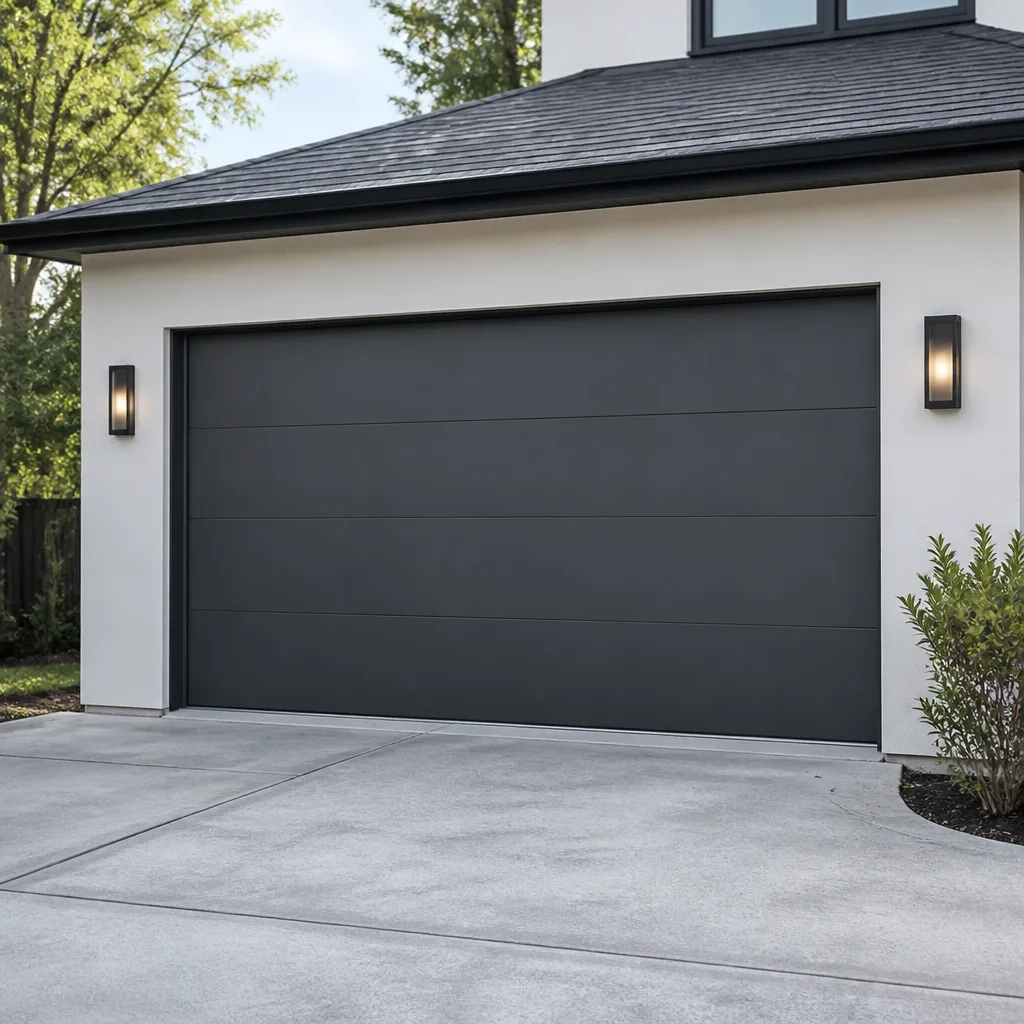 Modern flush
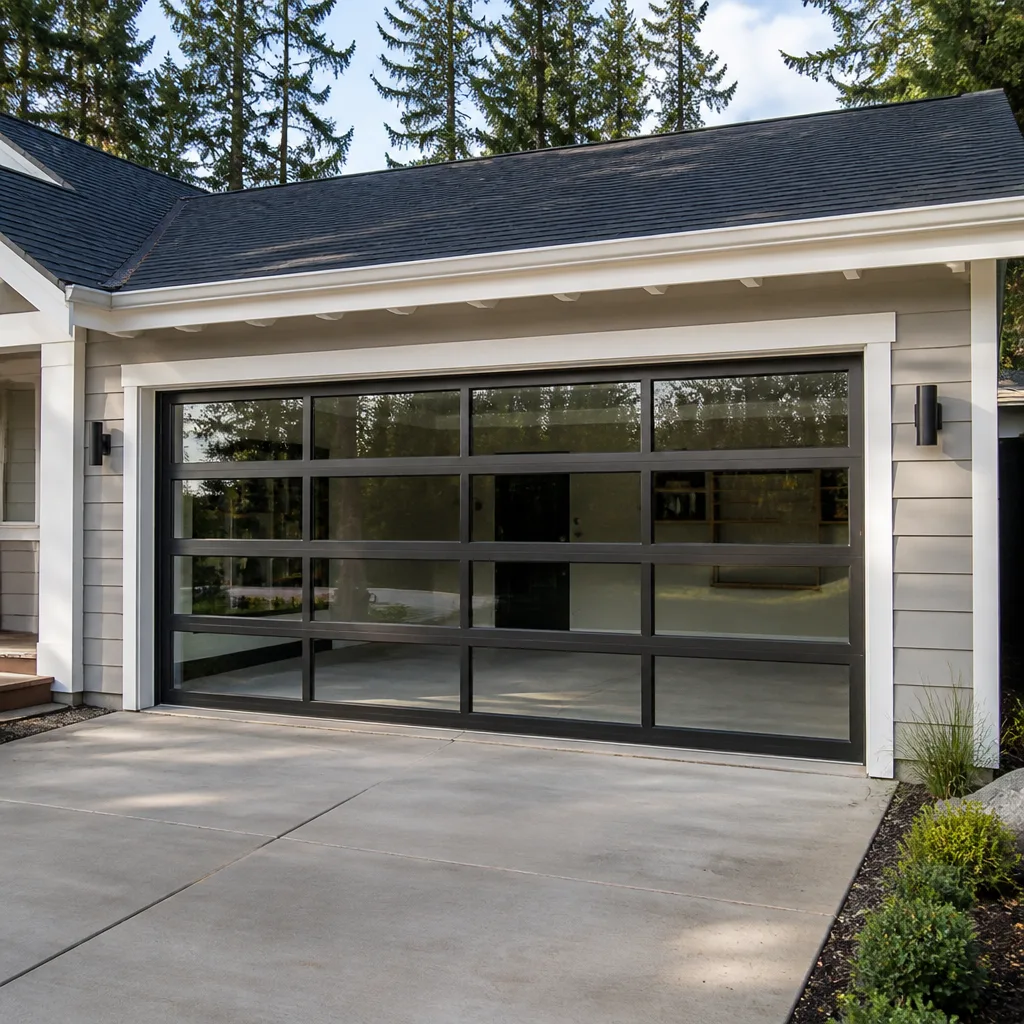 Full-view glass
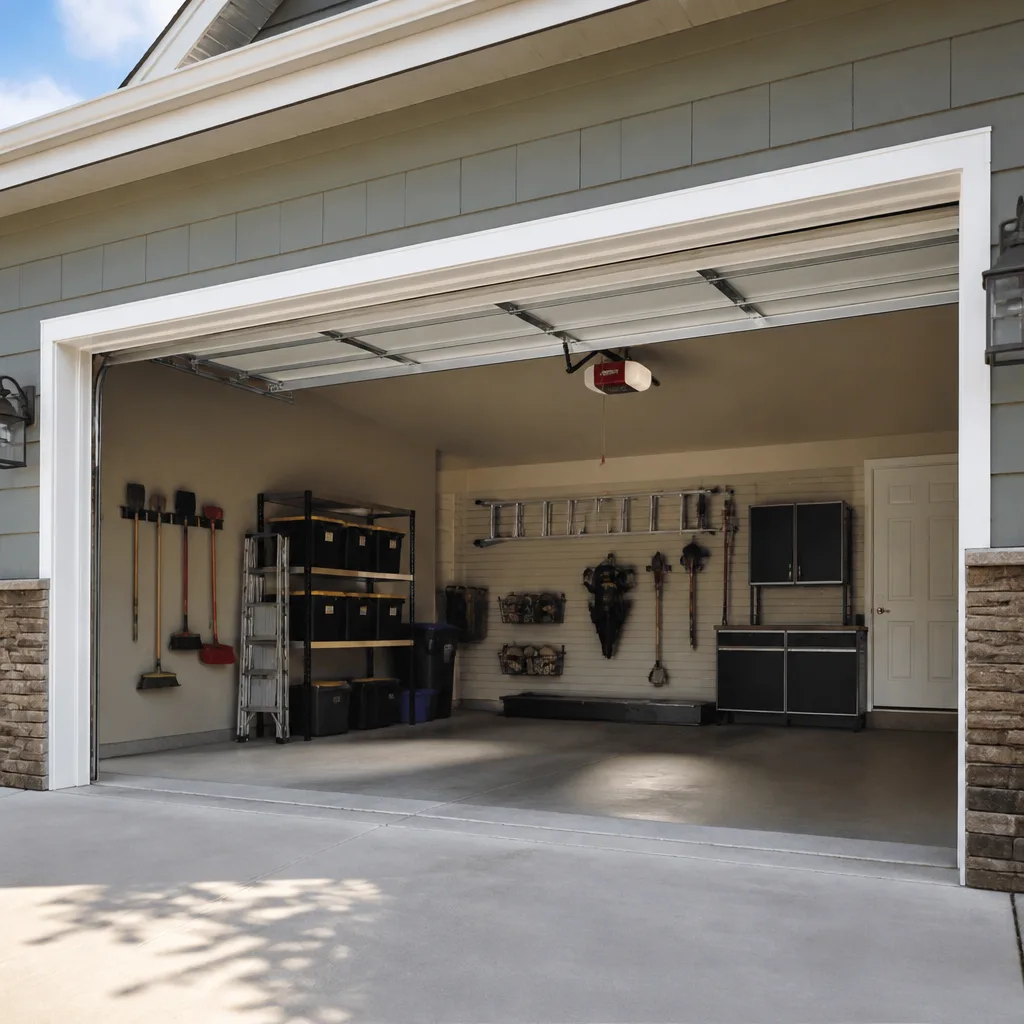 LiftMaster openers
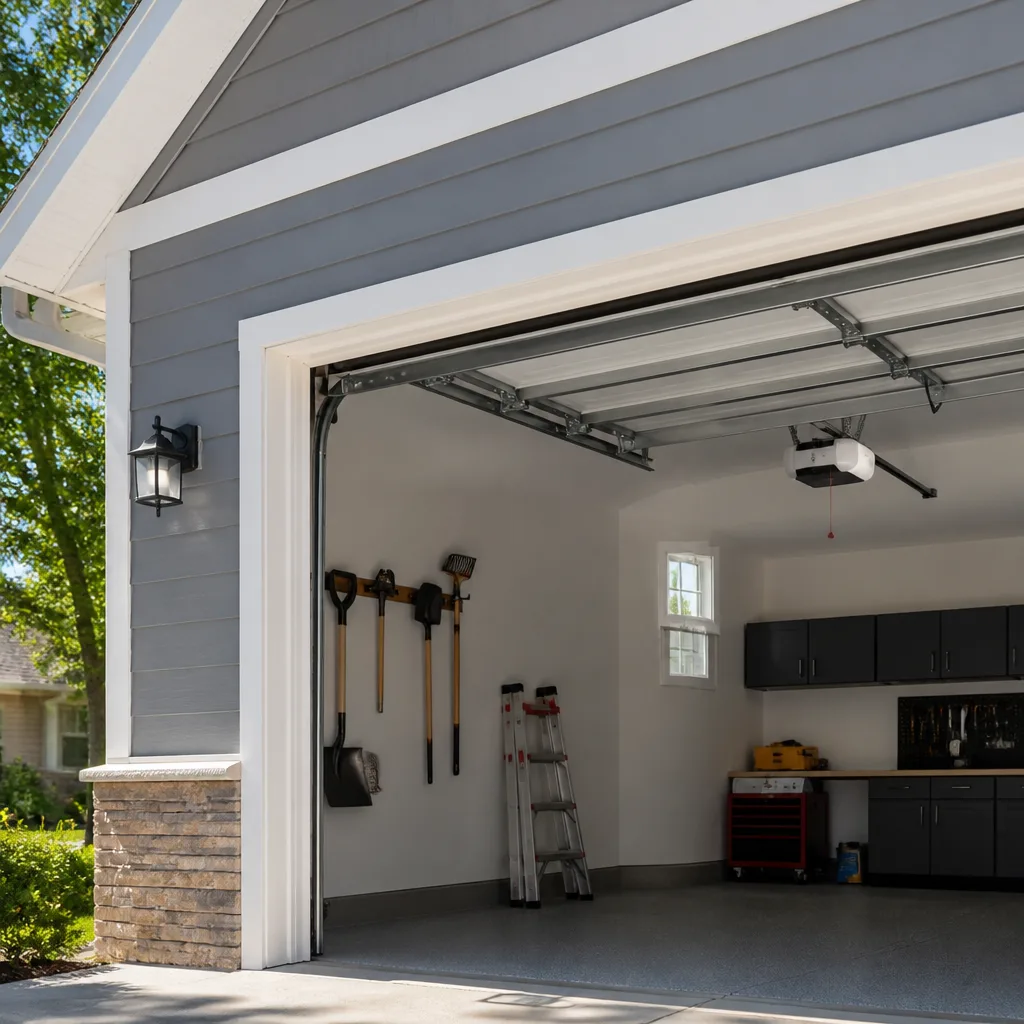 Chamberlain openers
Full 25-point door and opener safety check with every visit - springs, cables, rollers, tracks, and your LiftMaster or Chamberlain opener included
You get a price before we start. It does not change when the pro arrives.
Get your free estimateThe Complete Guide to Garage Doors in Town Center
Your garage door moves more than 1,500 times a year, and most homeowners have never once looked at its springs, cables, or tracks until something fails at 7 a.m. on a workday. That’s the strange contradiction of the most-used machine in your house: it’s the one thing you interact with every single day and the one thing you understand least. Most garage door guides out there are brand catalogs in disguise, listing models and features without ever explaining what a homeowner actually faces when a door starts to act up or a technician shows up in the driveway. This guide is different. It maps every decision you’ll face in Town Center, from the moment your door misbehaves to the day a new one gets installed, so you know what to expect at each stage, what questions to ask, and how to read an estimate without getting blindsided. We work on the brand you already have, and here’s how to think through your options before anyone touches the door.
Quick Answer
A garage door in Town Center is a mechanical system with two halves that age differently: the door itself (panels, tracks, hinges, springs, cables) and the opener that drives it. Most calls we handle come down to a repair rather than a replacement, and spring or opener failures are the two most common reasons a door stops working. A full replacement only makes sense when the door structure is beyond repair, not when a $180-$340 spring breaks. Getting the right fix rather than the most expensive one usually starts with a proper diagnosis of what actually failed, which is why the most useful thing you can do is learn how to describe the symptom clearly before you call.
Styles & brands we work with
- Raised-panel steel
- Carriage house
- Modern flush
- Full-view glass
- LiftMaster openers
- Chamberlain openers
Table of Contents
- Understanding Your Garage Door as a System
- Why Town Center Doors Are Different
- Repair or Replace? The Decision Tree
- Springs: The Highest-Risk Part of the Job
- Openers: Smart, Legacy, and Brand Compatibility
- How to Read a Garage Door Estimate Line by Line
- What a Thorough Service Call Looks Like
- What to Expect on Installation Day
Understanding Your Garage Door as a System
A garage door isn’t one thing. It’s a set of parts that work together, and understanding how they divide up the work makes every repair conversation easier. The door assembly includes the panels, the tracks they ride in, the hinges and rollers that connect the panels, the torsion or extension springs that counterbalance the door’s weight, the cables that connect springs to door, and the bottom bracket. The opener is a separate system: a motor and rail that pushes and pulls the door, plus the wall control, remote, and any safety sensors at the floor.
These two halves fail in different ways. The opener is an electrical and mechanical device that sits above your head, and when it fails you usually hear it (grinding, humming without movement, lights flashing) or the door responds to nothing. The door itself fails more visibly: a snapped spring, a bent track, a panel that no longer sits flush.
Why the split matters: when a homeowner calls and says “my garage door is broken,” the first job is figuring out whether the question is about the door or the opener. A door that won’t move isn’t always an opener problem, and an opener that won’t run isn’t always the opener’s fault either. A disconnected emergency release, a broken spring, or a jammed track can all make a healthy opener look dead.
Here’s a quick way to sort out which half you’re dealing with before you call:
- Opener runs, door doesn’t move: usually a spring, cable, or track problem on the door side.
- Opener hums but nothing happens: could be the motor, the capacitor, or a jammed door preventing movement.
- Opener does nothing, light doesn’t come on: usually power, remote pairing, or a wall control issue.
- Door moves but won’t stay down: safety sensor alignment or a wiring fault.
Get that much right and you’ll save the technician time, and save yourself the annoyance of being told your symptoms don’t match the fix.
Why Town Center Doors Are Different
Town Center is a planned community, and that shapes what your garage door is and what it can be. Most homes here sit in attached or near-attached garages, which means door sizing tends to run standard single-car widths or double-car widths rather than the odd custom dimensions you find in older, more scattered neighborhoods. That’s helpful for repair and replacement: standard sizes mean parts are easier to match and replacement panels aren’t custom-ordered.
Attached garages also change how insulation matters. A door that separates a conditioned house from an unheated garage is the largest single thermal opening in the building envelope. Insulated doors aren’t just a comfort luxury in Town Center; they’re the difference between a garage that stays hospitable in summer and one that heats up. If your garage shares a wall with a bedroom or a kitchen, an insulated door makes sense on the same logic.
Then there’s the HOA question. Planned communities in Town Center often have design review or architectural standards for anything visible from the street, including garage doors. Finish, color, panel style, and sometimes even window inserts are subject to approval before installation. That’s not a reason to dread a new door; it’s a reason to check your HOA’s requirements before you pick a panel style. Custom-ordering a door your HOA won’t approve is a costly lesson, and it’s one we see more than we’d like.
Size, insulation, and finish all matter before you place an order. So does the reality of attached garages in a climate with real seasons: door seals wear, tracks collect grit, and hardware loosens. A regular once-a-year look at hinges, rollers, and weather stripping catches a lot before it becomes a symptom. For homeowners thinking through the service side, that’s part of what garage door repair involves as a routine visit here.
Repair or Replace? The Decision Tree
The single most expensive mistake in this trade is replacing a door you didn’t need to replace. A broken spring is a repair. A door with three bent panels, a failed track system, and rust holes through the steel is probably replacement territory. The trick is knowing where the line falls.
Here’s how we think about the decision. Ask two questions: how long will this door realistically keep going after the repair, and is the repair cost a meaningful share of a new door’s cost?
- One mechanical failure, structurally sound door: repair. A spring, a cable, an opener, a hinge set. These are normal maintenance events, not end-of-life signals.
- Repeat failures on the same door within a short span: worth investigating the door’s overall condition, not just the broken part. Two spring breaks and a cable failure in one year suggests something else is wrong.
- Door structure compromised: panels that no longer align, tracks that are bent and can’t be straightened, a bottom section rusted through. This is where replacement starts to make sense.
- Cosmetic damage only: a single dented panel or a crack in the finish. Often fixable, and if it isn’t, replacement of one section is usually possible.
- Opener failure on an otherwise good door: replace the opener, not the door. The two halves age independently.
We’ve seen plenty of doors that had a decade of life left and were quoted for replacement because the tech only sold doors. And we’ve seen doors patched for years that should have been replaced. The honest answer usually starts with the question: what failed, and does fixing it actually extend the door’s productive life? Most repairs do. That’s exactly why a repair visit should end with a specific explanation of what’s failing and what’s holding up. If a technician can’t tell you which parts are at the end of their service life and which aren’t, you don’t have enough information to decide.
For the one scenario where replacement is the clear answer, see our guide to garage door installation.
Springs: The Highest-Risk Part of the Job
Torsion springs and extension springs counterbalance the weight of your door. They’re under enormous tension every time the door moves, and they’re the reason we tell every homeowner to stay well away from them. Springs fail suddenly, with a sound like a gunshot, and when they do, the door becomes dangerously heavy and unpredictable. Cables, which connect the springs to the door, are also loaded and also dangerous.
This is the one part of a garage door you should never try to adjust, tighten, or replace yourself. A torsion spring that lets go can cause serious injury, and there’s no amount of online instruction that makes handling one safe for a homeowner. If you hear a loud bang from the garage, notice a gap where the spring used to be, or the door suddenly won’t lift more than a few inches, the safe move is to leave the door down and call a professional. Don’t pull the emergency release to try to raise it, either; that can bring the door down hard.
What spring repair actually involves: matching the right spring; tensioning it with proper tools; checking the cable, drum, and bearings at the same time. Springs should usually be replaced in matched pairs when they break together, because a spring that’s already worn out is likely to break next. Expect a matched pair to cost roughly twice the single-spring rate; a single spring typically runs $180-$340 in Town Center, so a pair lands near $360-$680 depending on door size and spring type.
Spring replacement is where we see the widest spread between a cheap job and a good one. A cheap job swaps one spring and ignores the cable. A thorough job replaces the worn cable too, checks the door balance, and reassures you the system is properly tensioned before anyone leaves. If a door has been patched repeatedly, it may also be a candidate for a new door rather than another spring replacement; that’s part of the conversation we have before quoting.
Openers: Smart, Legacy, and Brand Compatibility
Openers are where the modern garage door meets home automation, and the gap between a good opener and a frustrating one is smaller than the marketing suggests. The brands most Town Center homes have are LiftMaster, Chamberlain, Genie, and Craftsman; any of those can usually be repaired rather than replaced, and the same is true for older Raynor units. When we do recommend replacing an opener, it’s usually because the unit is old enough that parts aren’t available, or the safety features (like auto-reverse and sensor alignment) can no longer be relied on.
What to know before your next opener call:
- Smart openers aren’t a whole-category upgrade. A modern opener adds features like app control and battery backup, but the mechanical job is still the same: motor, rail, sensor, control.
- Brand compatibility matters. If you’re keeping your door and just replacing the opener, the opener’s rated capacity needs to match your door’s weight. A too-small opener wears out fast.
- Sensor misalignment is the most common “my opener is broken” call. A little sunlight or a bumped sensor can cut the door off. Check the sensors first.
- Legacy remotes and wall controls can be paired to newer openers. You don’t always need to replace every remote with the opener.
For a deeper look, our garage door opener repair page covers how to spot an opener that’s failing and when a repair is worth it. The short version: an opener that’s making noise but still moving is usually worth fixing. An opener that’s old enough that safety features have become unreliable should be replaced, not patched.
How to Read a Garage Door Estimate Line by Line
Garage door estimates are notorious for hiding the split between parts and labor, and homeowners often don’t realize how many line items exist until they see the invoice. Here’s the breakdown you should expect, and the line items you should be asking about.
A typical estimate should separate these:
- Parts: springs, cables, rollers, hinges, panels, openers, remotes, and any hardware they include.
- Labor: usually the biggest variable, and the one that tells you how complex the job is. Spring work is more labor-heavy than a hinge swap.
- Travel: whether the call-out cost is included or billed separately.
- Disposal: what happens to the old door or components when a replacement is done.
Watch for a line item that’s missing entirely. A repair estimate with no labor line usually means the labor is wrapped into the parts price, which can hide mark-up. An estimate with no mention of cable inspection during a spring replacement is an incomplete estimate. And a door replacement estimate that doesn’t include the opener side of the job is missing half the work if you’re replacing a paired system.
Also, the written quote sets the price. Once you’ve agreed to the scope, that’s the number. If something comes up during the work, you should hear about it before anyone continues, not after. The estimate is the conversation, not the surprise. If a number you see feels out of line with what you’ve been told, ask. There’s no reason to sign something you can’t read.
What a Thorough Service Call Looks Like
A good service call follows a sequence, and seeing that sequence tells you whether you’re getting a real diagnosis or a sales visit. Here’s what a thorough visit to a Town Center home should include:
- Listen to your description and check the door by hand. A good technician lifts the door manually (with the opener disengaged) to feel the balance and listen for grinding or rubbing.
- Inspect the springs, cables, drums, hinges, and rollers visually. That includes looking for worn cables and end-of-life spring condition, not just the one that broke.
- Test the opener and safety sensors. Check the reverse behavior and sensor alignment, and confirm the wall control and remotes work.
- Check the track alignment. A slightly bent track can wear your rollers and cause the door to bind.
- Recommend only what the door needs. A repair visit should end with a clear explanation of what’s failing and what’s holding up, plus a written quote before any work begins.
- Run the door through a full cycle after the repair. Balance, travel limits, and sensor behavior should all be verified with the door moving through open and closed positions.
If your technician skips the diagnosis and jumps straight to a new door, that’s a warning sign. If they can’t tell you which specific parts are worn and which are fine, ask them to walk you through it. And if the visit ends with a price you didn’t agree to before the work started, that’s a problem. The quoted price and the final price should match, unless you approved a change.
What to Expect on Installation Day
A door replacement is a scheduled job, not a same-day emergency fix. Unlike a spring or opener repair, which we can often handle the same day, an install starts with a measurement of the opening, then a written quote, then an order. That timeline matters because the door has to be built to your opening and, in Town Center, potentially approved by your HOA.
The install itself usually follows this pattern:
- Removal of the old door and its hardware. The opener, rails, and old panels come down first.
- Inspection of the opening and framing. Any rot, sag, or track issues get addressed before the new door goes up.
- Setting new tracks and mounting the new panels. Panel alignment is the make-or-break detail here, and it takes patience.
- Installing and tensioning the springs. This is the same high-risk work as a spring repair, just on a fresh door.
- Wiring and programming the opener. Confirm the opener capacity, install the safety sensors, and test the reverse.
- Test cycles and final walkthrough. The door runs through open, close, and stop; you get a demonstration and instruction on the wall control and remotes.
What to look for on the day: a clean work area, a clear explanation of what changed, and a working demonstration of the safety reverse. The door should move quietly through both directions and stop where you expect it to. Leave the installer without a walkthrough, and you may miss a setting that needs adjustment. For brand-specific installation questions, the door manufacturers (Clopay and Amarr are two of the most common on Town Center homes) differ in panel profile and finish options, so what fits your HOA standards may point you toward one brand over another. That’s the kind of thing to settle before the order goes in, not after the panels arrive.
Common Mistakes to Avoid
- Ignoring a broken spring because the door still “sort of” moves. A door that’s been run on one remaining spring is being pushed and pulled unevenly, which wears the track, cables, and opener faster. Fix the spring before the wear spreads.
- Letting a technician replace the door when only the opener failed. If the panels and track are sound, an opener replacement is a much smaller job. Ask specifically what parts failed and get a second opinion if the answer is vague.
- Choosing a door without checking HOA standards. In Town Center’s planned communities, panel style and color approval is a real step. Confirm before you order, not after delivery.
- Trying to adjust a torsion spring yourself. This is the one part of the job with a genuine injury risk. Leave the springs to a professional and keep everyone clear of the door while it’s under tension.
- Replacing every remote and wall control when only the opener fails. Modern openers can often pair with existing accessories, so the full replacement of every remote isn’t always needed.
- Accepting a verbal estimate instead of a written one. The written quote is what sets the final price. Get it before work begins, and confirm what’s included in the scope.
- Skipping the routine look at hinges and rollers. These are small parts, but they’re what the door rides on. A loose hinge or worn roller catches problems early and it’s cheap to fix.
See the difference
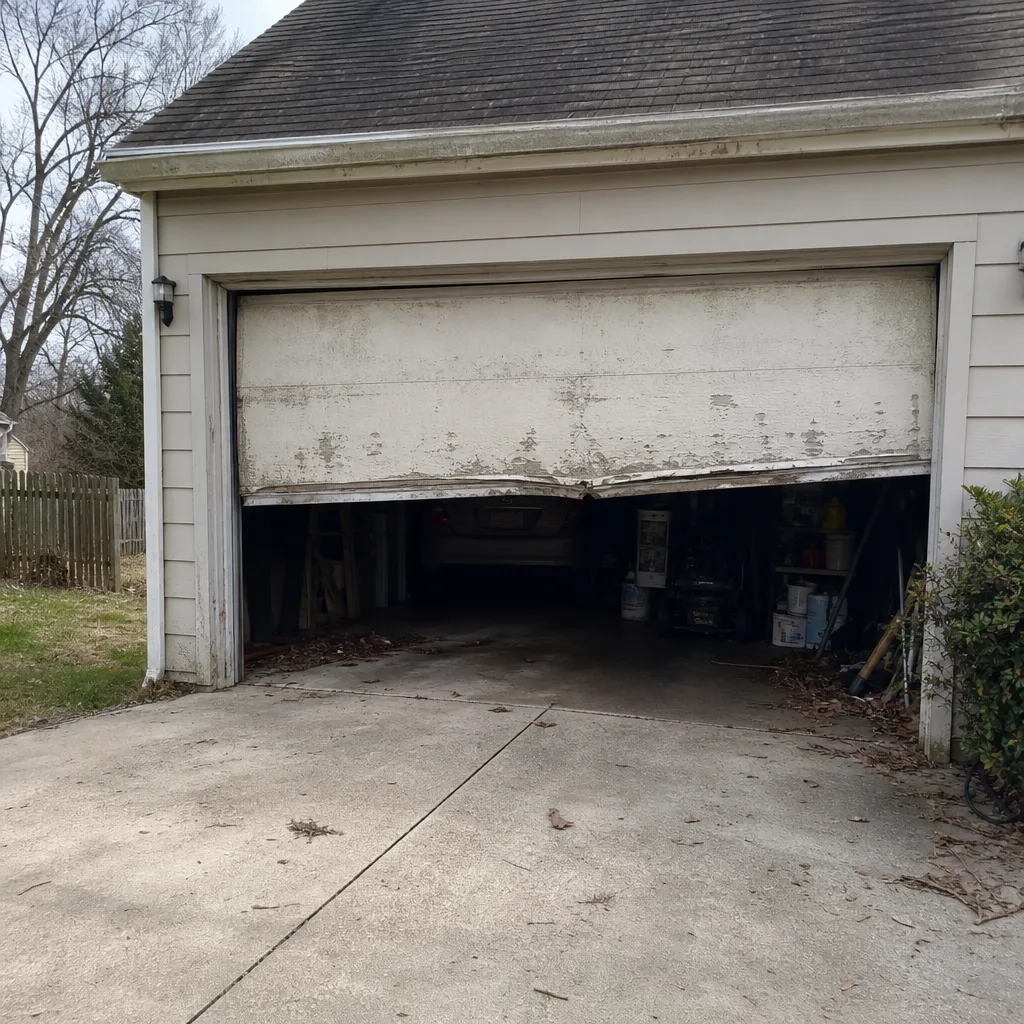 Before
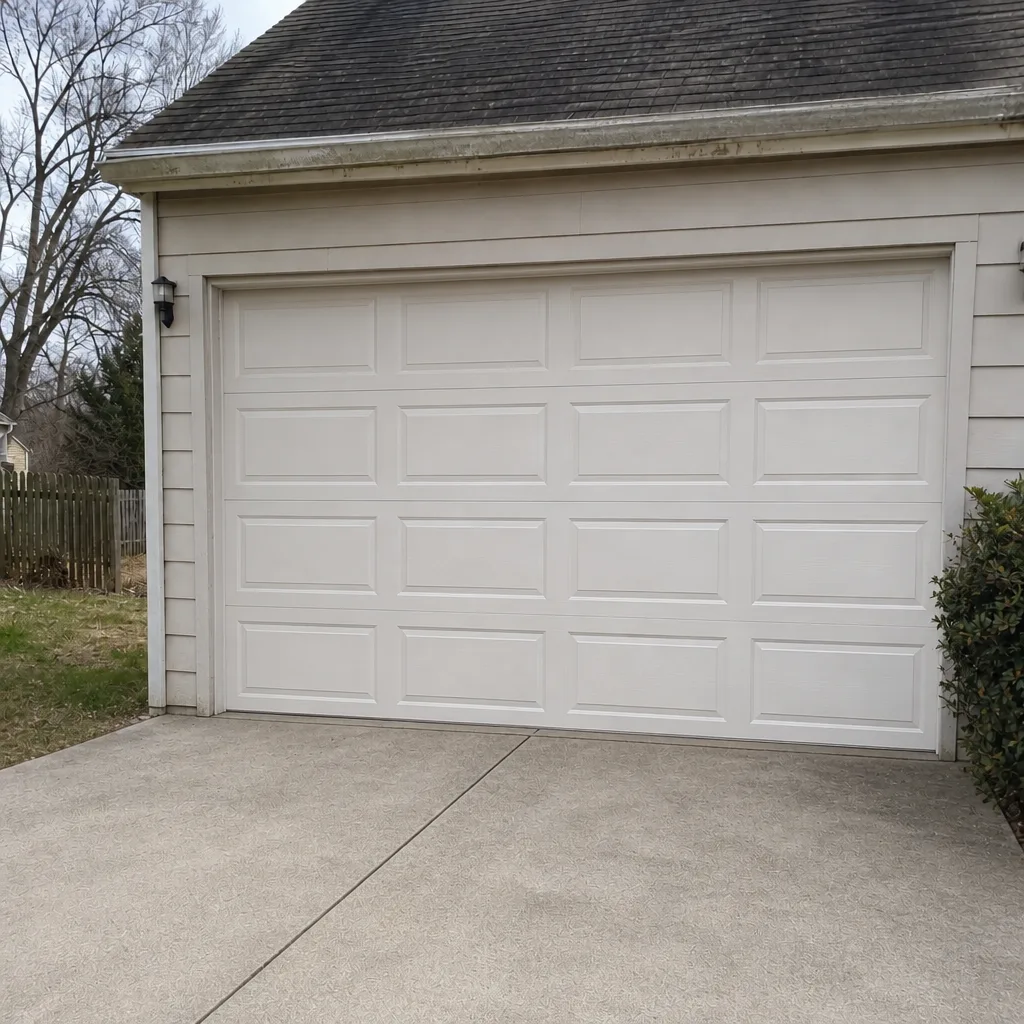 After
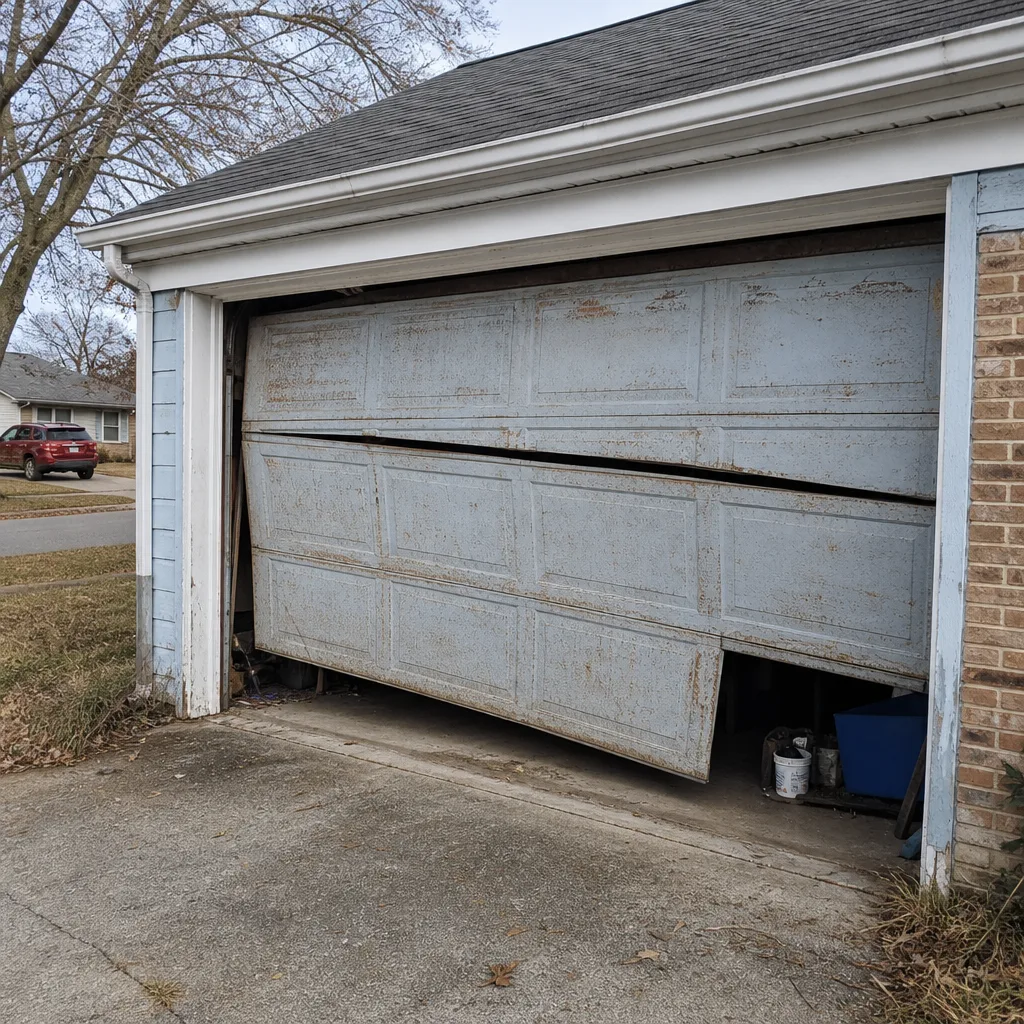 Before
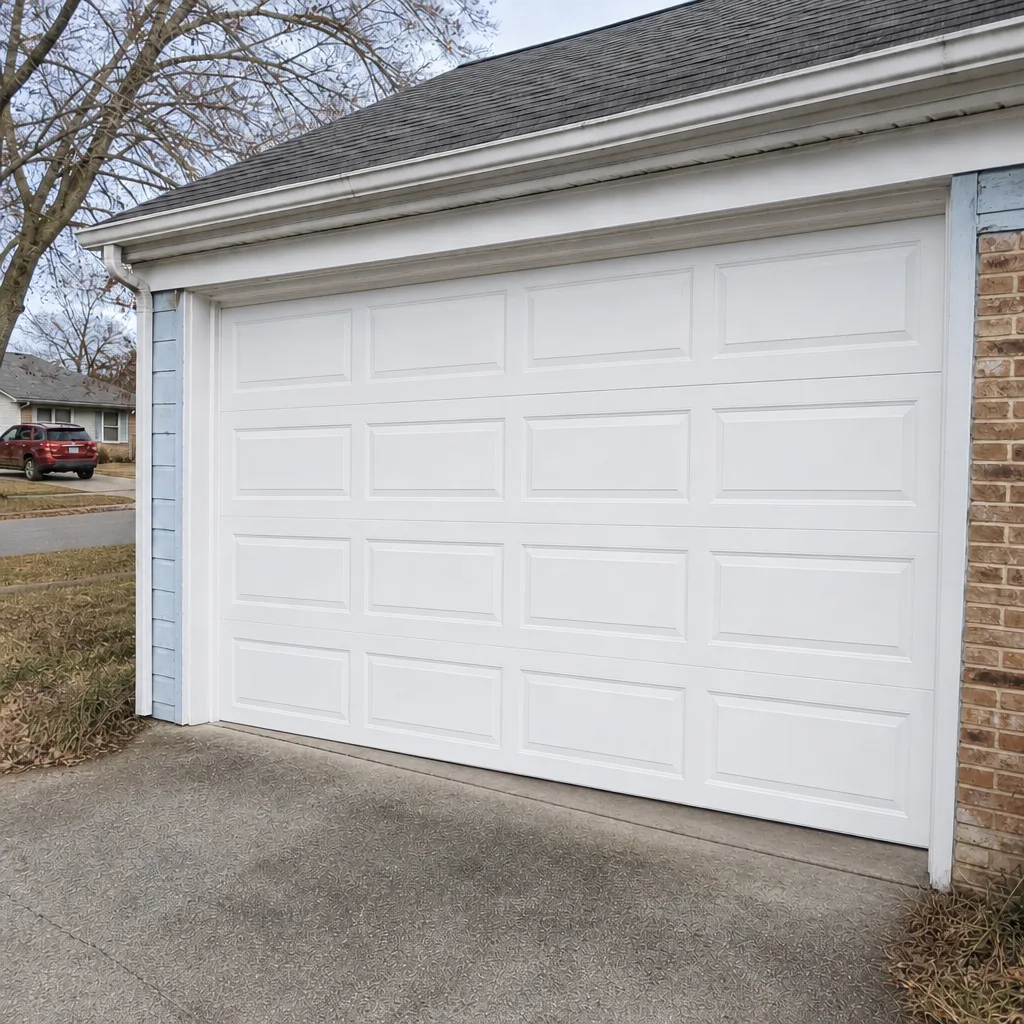 After
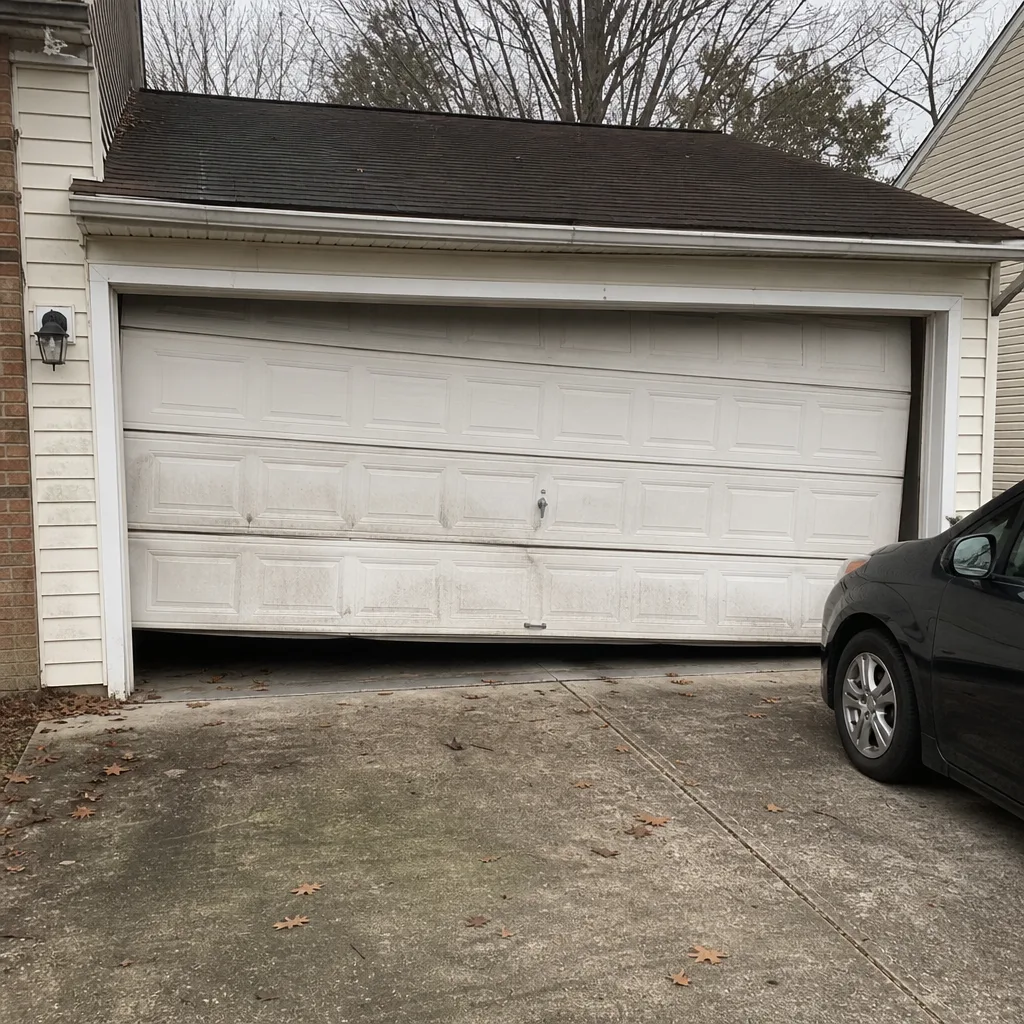 Before
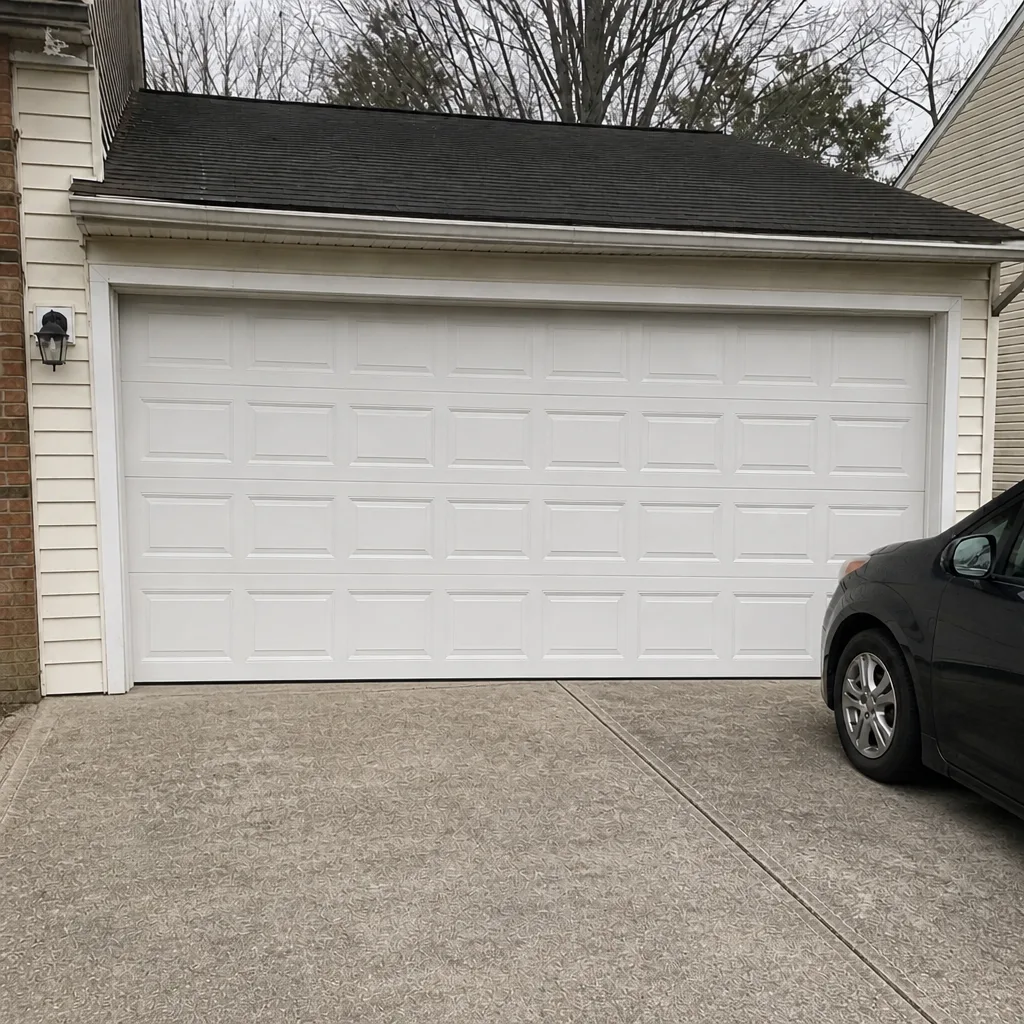 After
When to Call a Professional
Call us when the door won’t move and it’s not a tripped sensor. Call when you hear a sudden loud bang from the garage (that’s usually a spring, and it needs a professional immediately). Call when the door is uneven, tilted, or stops partway. Call when the opener responds to nothing, or the door goes back up after touching the floor. Call when a bracket, cable, or track looks off. Those are all signs that something has failed or is about to, and a diagnostic visit is the fast way to find out which. The urgent cases get priority; broken springs, doors stuck open, and lockouts all fall under our emergency service, so if you’re dealing with one of those right now, call and we’ll get someone out.
Garage Door Repair Town Center offers free estimates in Town Center – call (833) 509-3459. Our technicians have up to 8 years of experience, and we work on the brand you already have: LiftMaster, Chamberlain, Genie, Clopay, Amarr, Wayne Dalton, Craftsman, and Raynor. Whether it’s a spring that broke this morning or a door you’ve been meaning to replace for a while, we’ll come out, look at it, and give you a written quote before any work starts. The right fix, not the most expensive one, is the whole point of the visit.
Frequently Asked Questions
A spring repair in Town Center typically runs $180 to $340 for a single spring, and a matched pair usually costs about twice that. Opener repairs and hinge or roller work generally land lower than spring work, and the written estimate before work begins is what sets the final price. Call (833) 509-3459 for an exact quote; estimates are free.
In most cases, yes. A door that won’t close is a priority call, and our emergency service handles broken springs, stuck doors, and lockouts as fast as we can get to them. Call (833) 509-3459 and describe what the door is doing so we can route the right technician.
No, not unless the scope of the job changes and you approve the change first. The written quote you receive before work begins is the price; if we find something unexpected, we’ll explain it and get your approval before continuing. Call (833) 509-3459 if you want to talk through a quote before scheduling.
Yes. The professionals we connect you with are state-licensed and carry the insurance their state requires, and they’re experienced in residential and commercial garage door work. We can walk you through those qualifications when you call (833) 509-3459.
Repair it if the door structure is sound and only a part failed. Replace it if the panels, tracks, or framing are compromised and repairs are becoming a pattern. A technician can tell you which parts are at end of life and which are still serviceable, and that diagnosis is what should drive the decision. Reach out for a free estimate if you’re not sure, and we’ll walk you through it.
Yes. We work on LiftMaster, Chamberlain, Genie, Craftsman, Raynor, and the other major opener systems, and we can identify the brand from the unit itself. The repair usually depends on the symptom, not the badge, so call (833) 509-3459 and describe what the opener is doing.
The Bottom Line
The heart of this guide is simple: most garage door problems are repairs, not replacements, and the difference between a good job and a bad one comes down to diagnosis, scope, and a written price. Town Center’s planned communities add a couple of local wrinkles (standard sizing, insulation needs, HOA finish requirements), but the decision tree stays the same. Learn the two halves of your system, understand when a repair is worth it and when a replacement makes sense, and read the estimate line by line. That’s how you avoid the two most common mistakes: replacing a door you didn’t need to, and paying for work you didn’t approve. If you want a second opinion before you decide, we offer free estimates and a diagnosis first. Our technicians have up to 8 years of experience and we work on the brand you already have. When you’re ready, Garage Door Repair Town Center is one call away at (833) 509-3459 for a free estimate, and we’ll get you a written quote before any work begins.
Written by the team at Garage Door Repair Town Center.