Last updated November 22, 2026
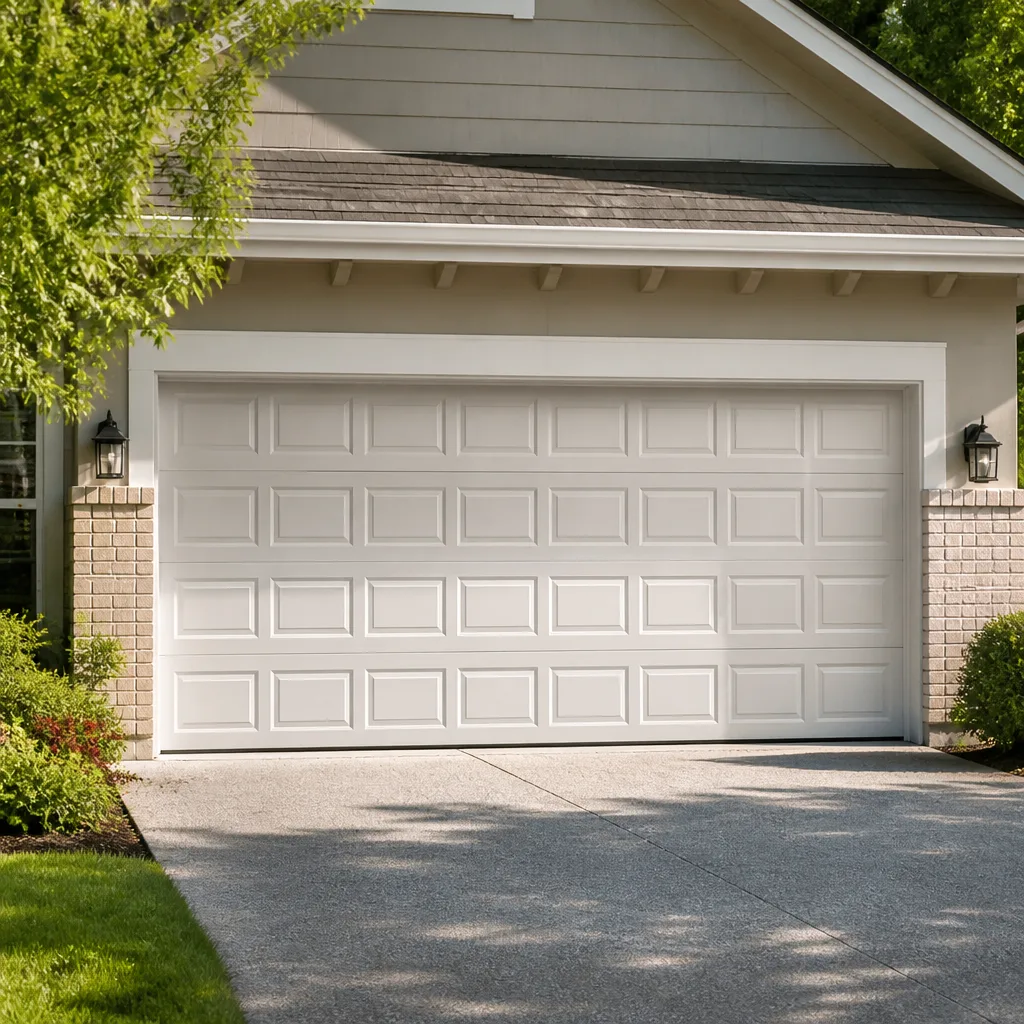 Raised-panel steel
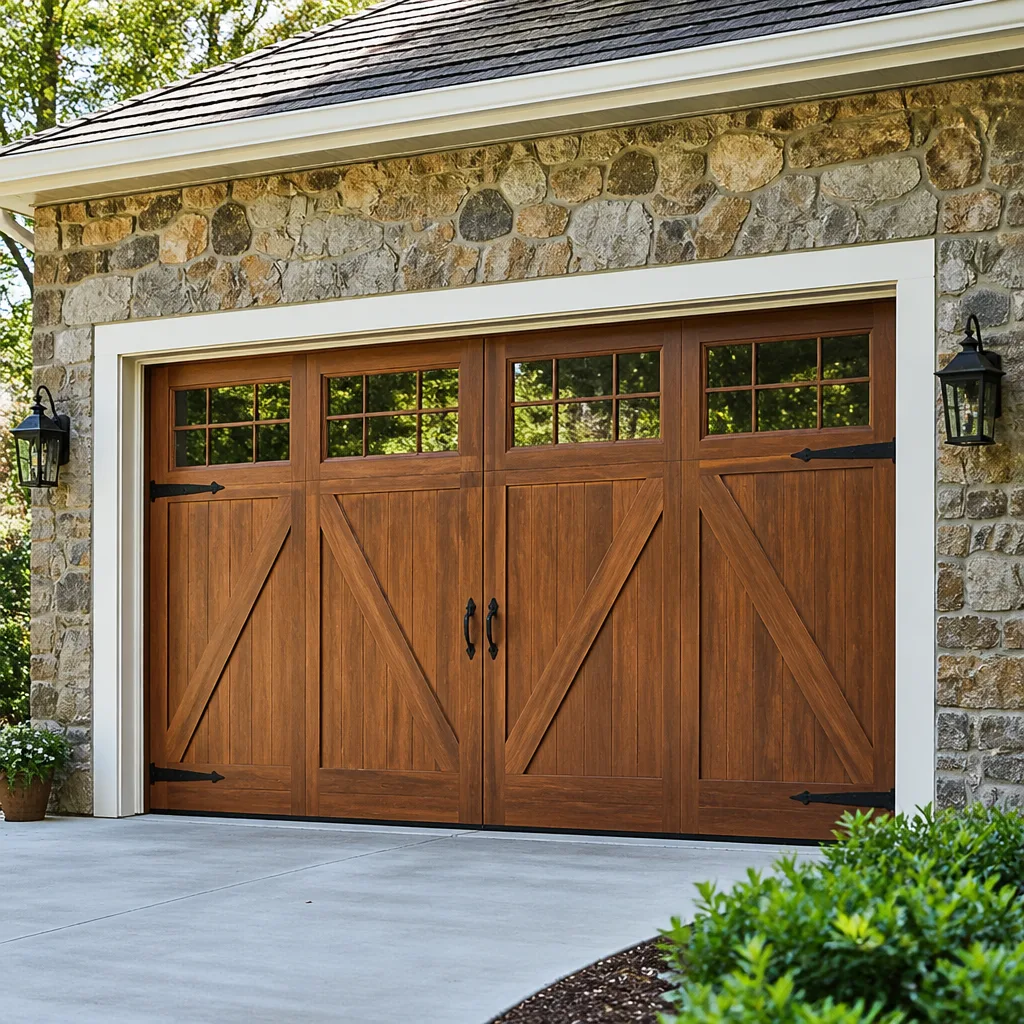 Carriage house
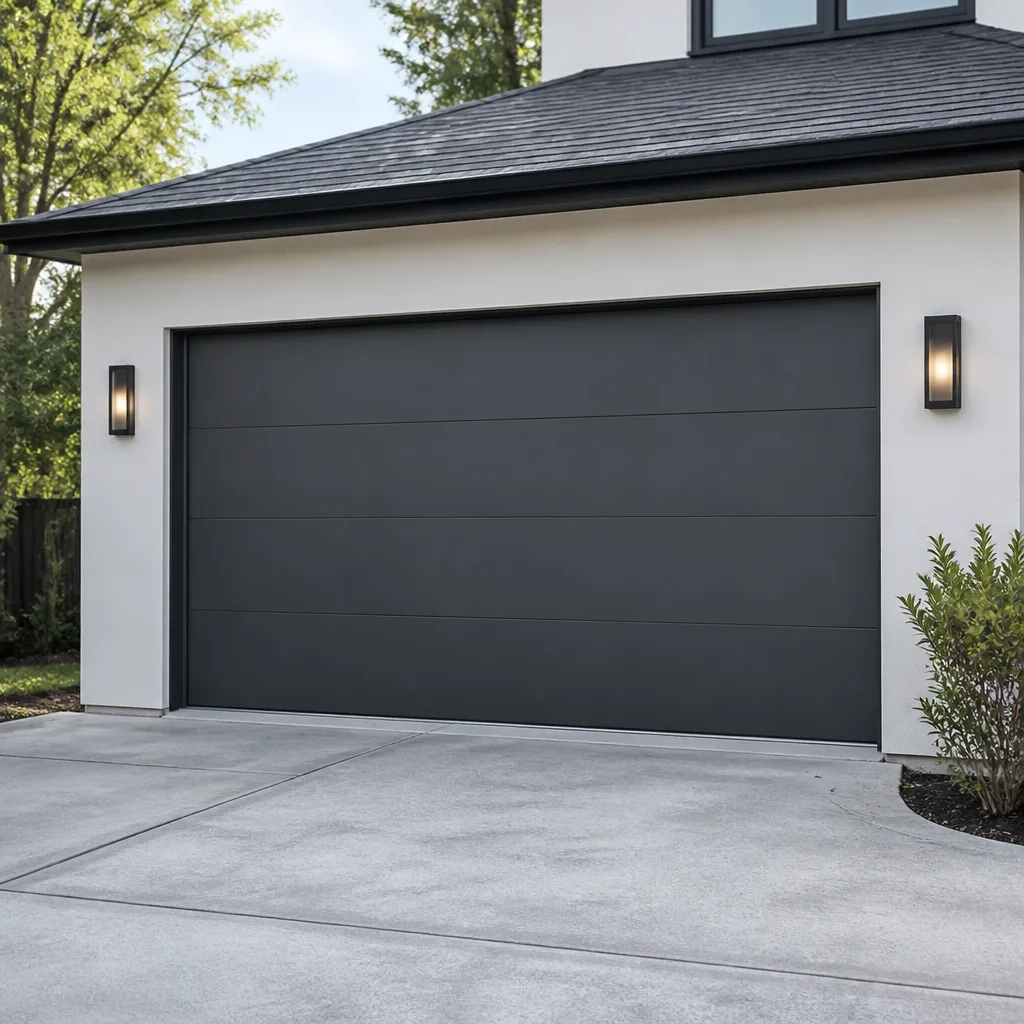 Modern flush
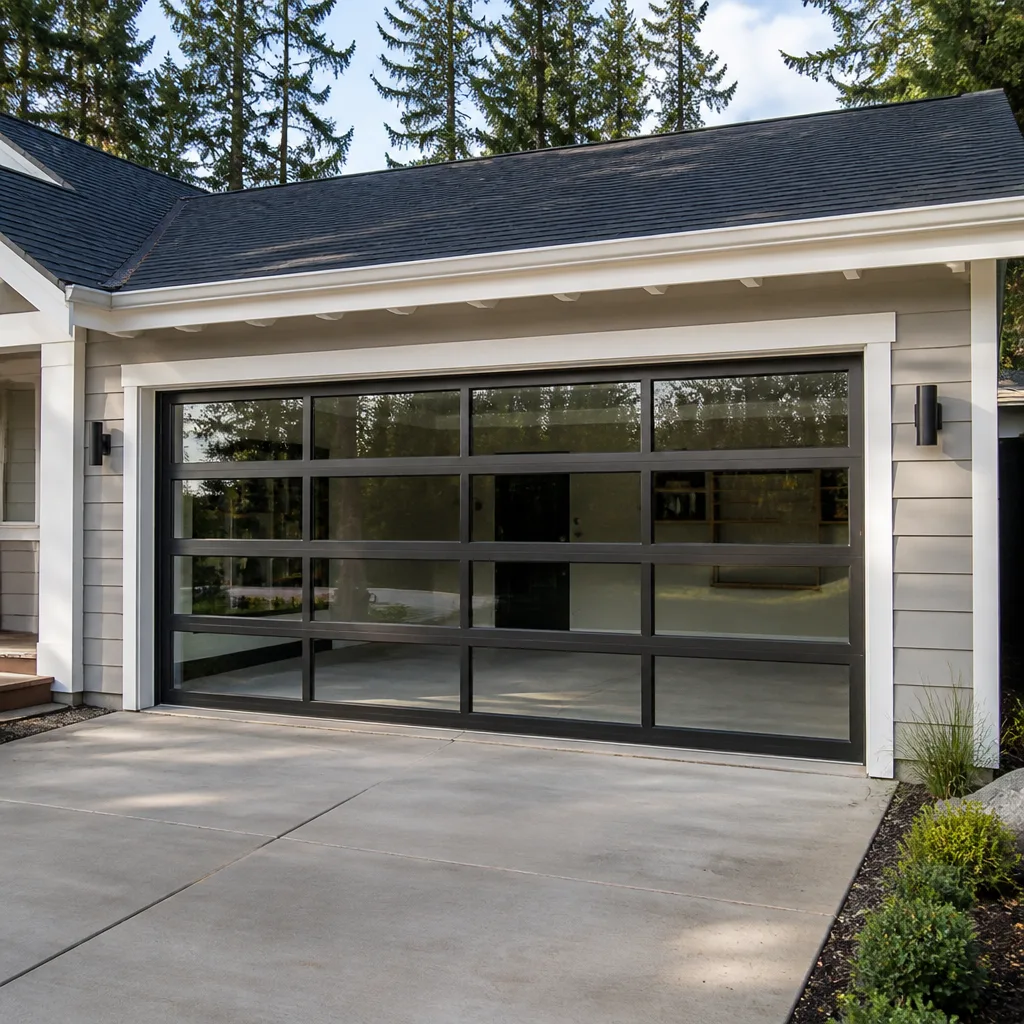 Full-view glass
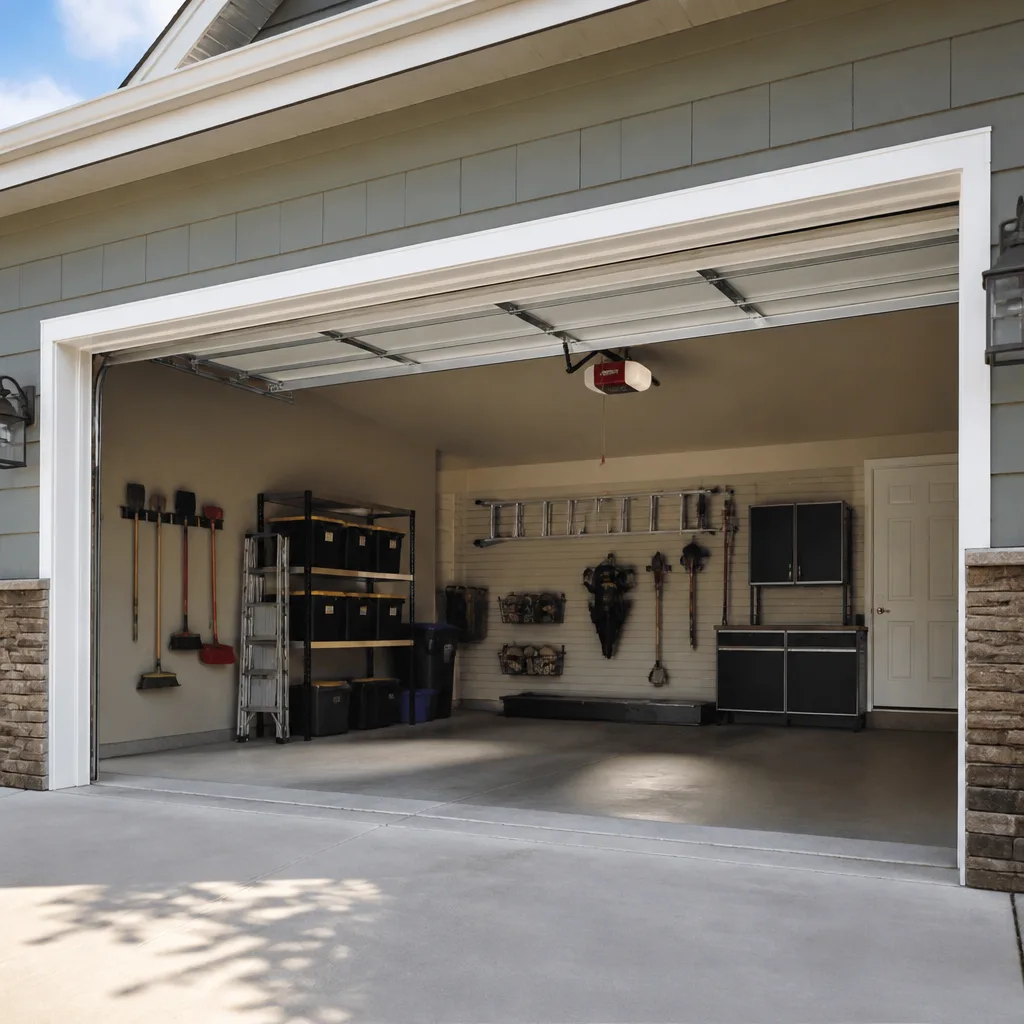 LiftMaster openers
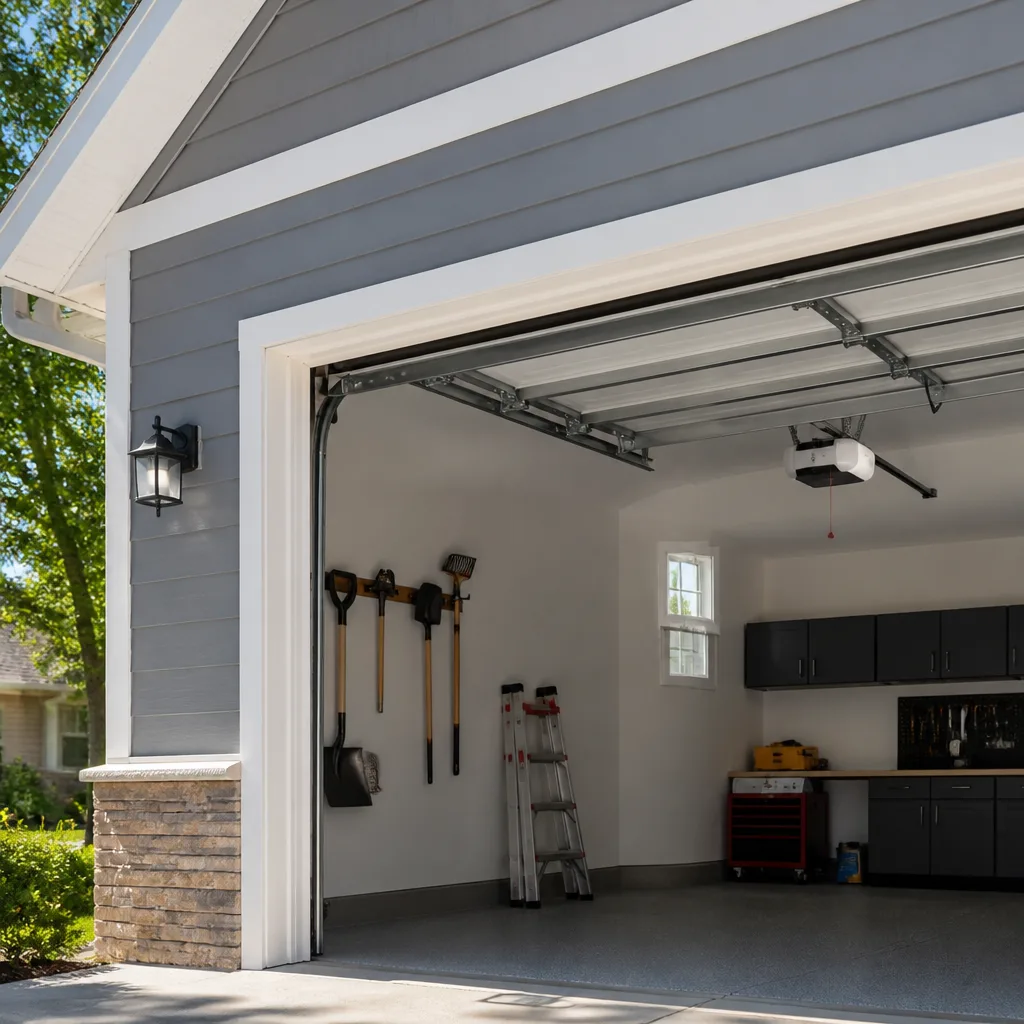 Chamberlain openers
Full 25-point door and opener safety check with every visit - springs, cables, rollers, tracks, and your LiftMaster or Chamberlain opener included
You get a price before we start. It does not change when the pro arrives.
Get your free estimateSeasonal Garage Door Care for Town Center: Year-Round Homeowner’s Guide
Most garage door advice treats maintenance as a single autumn checklist: oil the chain, eyeball the springs, call it done. In Town Center, that approach misses the point. A garage door here lives through a genuine winter freeze, a humid summer, and storm seasons that arrive with little warning. Each one stresses a different part of the system, and a failure in January usually traces back to something ignored in October. This guide walks you through what actually happens to a door across a Virginia year, season by season, so you can catch small problems before they become the kind that leave a car stranded inside.
Quick Answer
Year-round garage door care in Town Center means matching maintenance to the season: inspect and lubricate seals and weatherstripping before the first freeze, switch to a low-temperature lubricant for cold months, check cables and springs for tension problems in spring, watch for track expansion and roller corrosion in summer, and know how to manually release the door before storm season. Done consistently, these checks prevent most of the failures that turn into emergency calls. Our technicians have up to 8 years of experience, and they see the same pattern year after year: the doors that fail in a cold snap are the ones nobody looked at in the fall.
Styles & brands we work with
- Raised-panel steel
- Carriage house
- Modern flush
- Full-view glass
- LiftMaster openers
- Chamberlain openers
Table of Contents
- Why Virginia’s Climate Is Hard on Garage Doors
- Fall: Sealing the Door Before the First Freeze
- Winter: Cold Grease, Strained Openers, and Sticking Doors
- Spring: The Season Tension Failures Spike
- Summer: Heat, Humidity, and a Door That Fights Its Tracks
- Storm Prep: What to Do With Your Door Before a Named Storm
- The Monthly Walk-Around Routine
- Common Mistakes to Avoid
Why Virginia’s Climate Is Hard on Garage Doors
A garage door is one of the few parts of a house that sits outside the thermal envelope and takes the full weight of the weather on a moving mechanical frame. In Town Center, that frame goes through freeze-thaw cycles in winter, high humidity in summer, and severe thunderstorms in between. Each of these creates a specific kind of wear. The freeze-thaw cycle is short here compared with northern states, but that’s exactly what makes it hard on bottom seals: water collects under the rubber, freezes overnight, and pries the seal away from the door frame a fraction of an inch at a time. Repeat that a few dozen times and the seal stops touching the floor.
Then there’s the metal itself. Garage doors and their tracks are steel or aluminum, and both expand and contract with temperature swings. In a Virginia summer, a south-facing door can get hot enough that the panels shift slightly on the hinges and the tracks bow outward a fraction of an inch. That’s usually harmless, but if a track was already loose, the extra movement is enough to make rollers bind.
Add in the openers that most homes in Town Center rely on and you get a system where every component loads differently from season to season. A spring that’s already weakened asks more of the opener in winter. A track that’s already out of alignment fights the rollers harder in summer. The climate doesn’t create problems; it exposes the ones that were already there.
What This Means for Your Maintenance Calendar
- Fall is about keeping cold air and moisture out.
- Winter is about reducing friction so the opener isn’t overworked.
- Spring is about inspecting the parts that took the most load over the cold months.
- Summer is about managing heat expansion and humidity corrosion.
- Storm season overlaps all of it and adds a separate set of checks.
Fall: Sealing the Door Before the First Freeze
The single most valuable thing you can do for a garage door in Town Center in October is to inspect the bottom seal and perimeter weatherstripping. This is the step that prevents the January freeze-sticking that most homeowners blame on cold weather when it’s really a seal problem that started weeks earlier. The bottom seal is a rubber or vinyl strip that runs along the bottom edge of the door and compresses against the floor when the door closes. When it’s intact, it keeps out water, leaves, and cold air. When it starts to harden or tear, water gets underneath and stays there.
The Seal Inspection Protocol
- Close the door fully and look along the bottom edge from both inside and outside. You’re checking whether the seal actually touches the floor across its whole width.
- Slide a piece of paper under the door at several points. If it slides out easily anywhere, the seal isn’t making contact there.
- Feel the rubber along its length. It should be pliable. If it feels stiff or cracks when you bend it, it’s due for replacement.
- Check the weatherstripping around the sides and top of the door frame. Look for gaps, peeling, or sections that have pulled away from the frame.
- Look for water stains or pooled water on the floor just inside the door. That’s a sign water is getting past the seal and sitting there.
For a Virginia climate, you want a seal rated for a temperature range that covers both summer heat and winter cold. EPDM rubber and PVC are the two common materials, and both handle the range well if they’re installed properly. The key is a clean surface when the new seal goes on; if the old adhesive is still on the door bottom, the new strip won’t sit flush.
Once the seal is right and the weatherstripping is snug, your door will close against a proper barrier all winter. That one step eliminates the freeze-sticking problem before it starts.
We handle this kind of maintenance as part of ordinary garage door repair, and it’s the easiest job to catch early. If the seal has already gone, replacing it in fall is far simpler than dealing with a frozen, stuck door in January.
Winter: Cold Grease, Strained Openers, and Sticking Doors
The most common winter garage door problem in Town Center isn’t a broken part; it’s the wrong lubricant. The grease that worked perfectly in October thickens as temperatures drop. When the grease on the torsion springs, hinges, and roller bearings gets too thick, every part of the motion takes more force. The door moves slower, the opener motor works harder, and eventually the opener’s force sensor trips and the door reverses mid-cycle, or the motor burns out. The right fix is a low-temperature lubricant, not more of the same grease.
What to Use Instead
- White lithium grease works well on springs and hinges, but only if it’s rated for low temperatures. Read the label; not all of it is.
- Silicone spray is a good choice for roller bearings and the inside of the track. It doesn’t get sticky in the cold and doesn’t attract dust.
- Do not use heavy wheel-bearing grease, general-purpose motor oil, or WD-40 as a stand-in lubricant. The first two thicken badly; the third is a solvent, not a lubricant, and it displaces the existing lubricant without replacing it.
A second winter issue is opener strain from the door itself. When the door is cold, every surface changes size, and a door that was perfectly balanced in October may now be slightly heavier to lift. If the opener is near the end of its life or has a weakened motor, that extra load is the difference between smooth operation and a failing opener. This is where garage door opener repair becomes the right call, because a repaired opener is less expensive than a new one and much less expensive than a door that won’t open at all.
Don’t ignore new noises in winter. A door that creaks or groans on the way up is telling you something is binding. A door that makes a scraping sound is telling you the rollers or the track need attention. Neither will fix itself once the weather warms.
Spring: The Season Tension Failures Spike
The first warm week after a cold winter is when we see the most cable and spring failures in Town Center. The reason is simple: a torsion spring that spent winter working against cold-thickened grease and a slightly warped door has been under prolonged stress. Add a few warm days and the metal relaxes, the tension shifts, and a spring that was already weakened gives out. A broken spring is unmistakable: you’ll hear a loud bang from the garage or a loud snap, and the door won’t lift. If you open the door and see a gap in the coil of the spring, that’s a broken spring.
High-Tension Components Require a Professional
Torsion springs and the cables that run along them are under extreme tension. A wound torsion spring stores enough energy to do serious injury if it releases unexpectedly, and a snapped cable can whip. Do not try to fix or replace a spring or cable yourself. We do this work because it’s the most mechanically hazardous job a garage door has, and it should be done by someone trained for it. What you can do is inspect without touching.
The Post-Winter Inspection Protocol
- Open the door and check the tracks on both sides for visible bends, dents, or loose mounting brackets.
- Look at the springs from a safe distance. A healthy torsion spring has an unbroken coil; a broken one has a visible gap. Extension springs should not have any stretched sections.
- Examine the cables on either side of the door. Both should be straight and tight. A frayed or visibly kinked cable needs professional attention.
- Look at the rollers where they meet the track. Worn rollers will look worn or chipped, and may be visibly wobbling in the track.
- Test the balance. Disconnect the opener (pull the release cord) and lift the door halfway. If it stays there, the balance is reasonable. If it falls or rises on its own, the springs or cables need a professional look.
- Run the door up and down a few times and listen for unusual sounds.
Spring repair done safely is what we’d recommend to any homeowner in Town Center who notices a problem in this inspection. Our approach is simple: we diagnose the issue precisely, explain what’s wrong, and fix that rather than selling a full door replacement when the door doesn’t need one.
Summer: Heat, Humidity, and a Door That Fights Its Tracks
Summer in Town Center brings two garage door problems that don’t get much attention: metal expansion and roller bearing corrosion. A steel garage door on a sunny wall will expand as it heats. The panels are designed to allow for it, but the tracks and hinges are metal too, and they move. In practice, a door that worked quietly all winter may develop a faint grinding or scraping sound in July as the tracks bow outward slightly and the rollers start to rub.
What High Humidity Does to Roller Bearings
The roller assemblies in a garage door track have small bearings, and those bearings are the part most vulnerable to humidity. In a humid summer, condensation forms on the metal and works its way into the bearing. Over the course of several summers, the bearings corrode and stop turning freely. A roller that won’t spin will make the door harder to operate and can damage the track over time. Lubricating the bearings with a silicone spray helps, but the job is easier if you catch it early. If a roller is already stiff or rusty, replacement is the practical answer.
Other Summer Checks
- Check the door’s travel limits on the opener. Heat expansion can change how far the door travels, and the opener may need its limits adjusted.
- Clean the tracks and wipe out any accumulated dust and debris, then lubricate the rollers and hinges. A dry, clean track runs smoother.
- Inspect the bottom seal again. High heat can soften the rubber, and while it doesn’t fail as fast as it does in a freeze, it does wear differently in summer.
- Look at the cables. Summer humidity can start the process of corrosion on the exposed surfaces of the cables.
Some doors handle a Virginia summer better than others. If you have a Clopay or Amarr door, for example, the steel and insulation specs are generally designed for temperature variation, but that doesn’t reduce the need for an inspection. What you should watch for is a door that suddenly grows louder or harder to open as the season changes. That’s a mechanical problem, not a normal season behavior.
If your door is getting harder to open and you suspect a mechanical issue beyond the routine checks, a garage door repair visit is the right call. The small fixes are the ones we’re happy to make; we’re not in the business of recommending a new door for a roller that just needs replacing.
See the difference
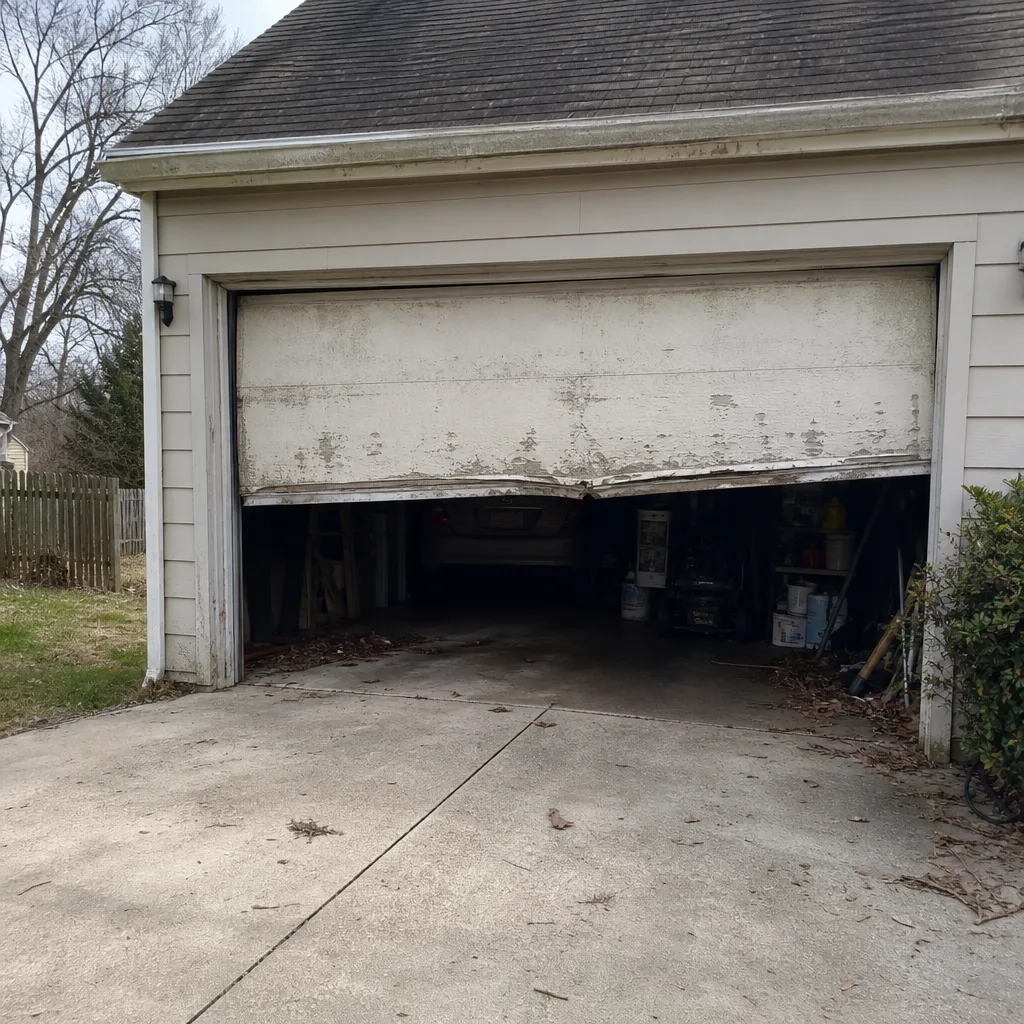 Before
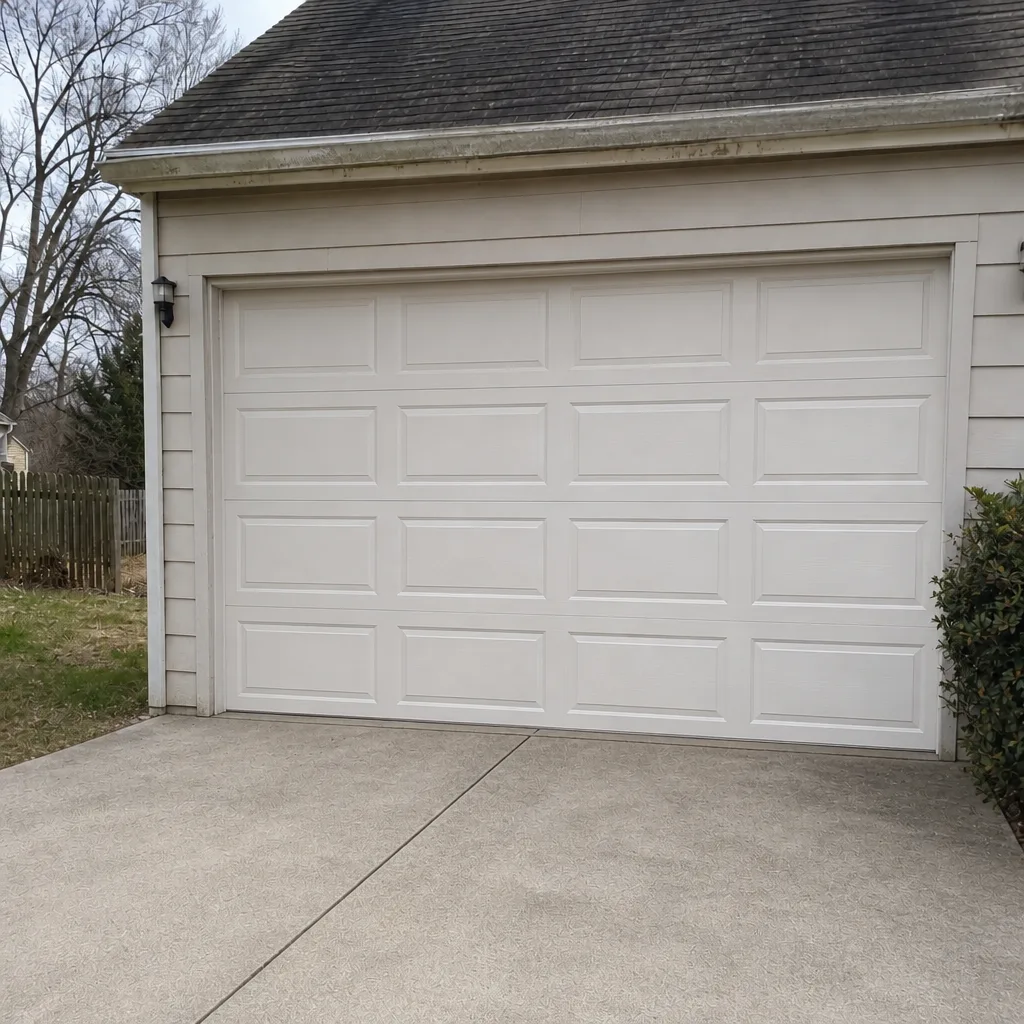 After
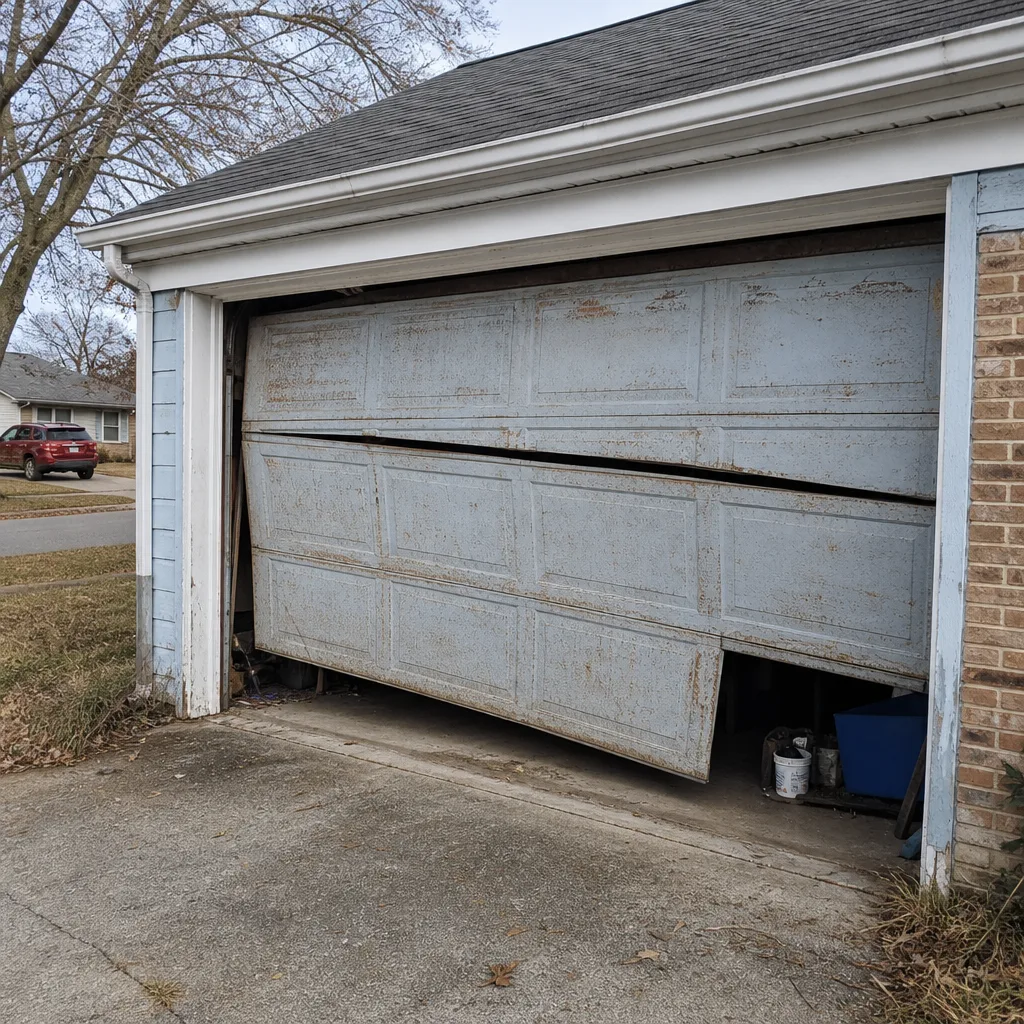 Before
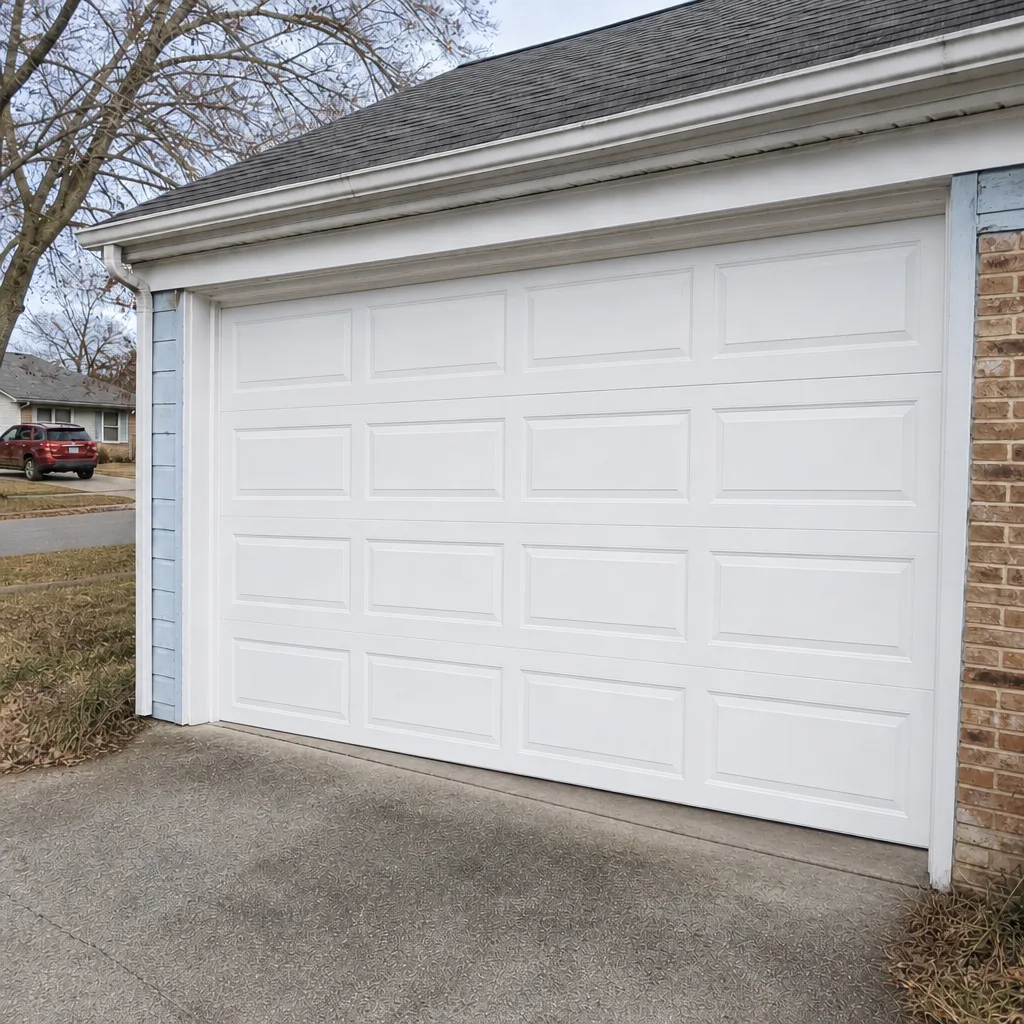 After
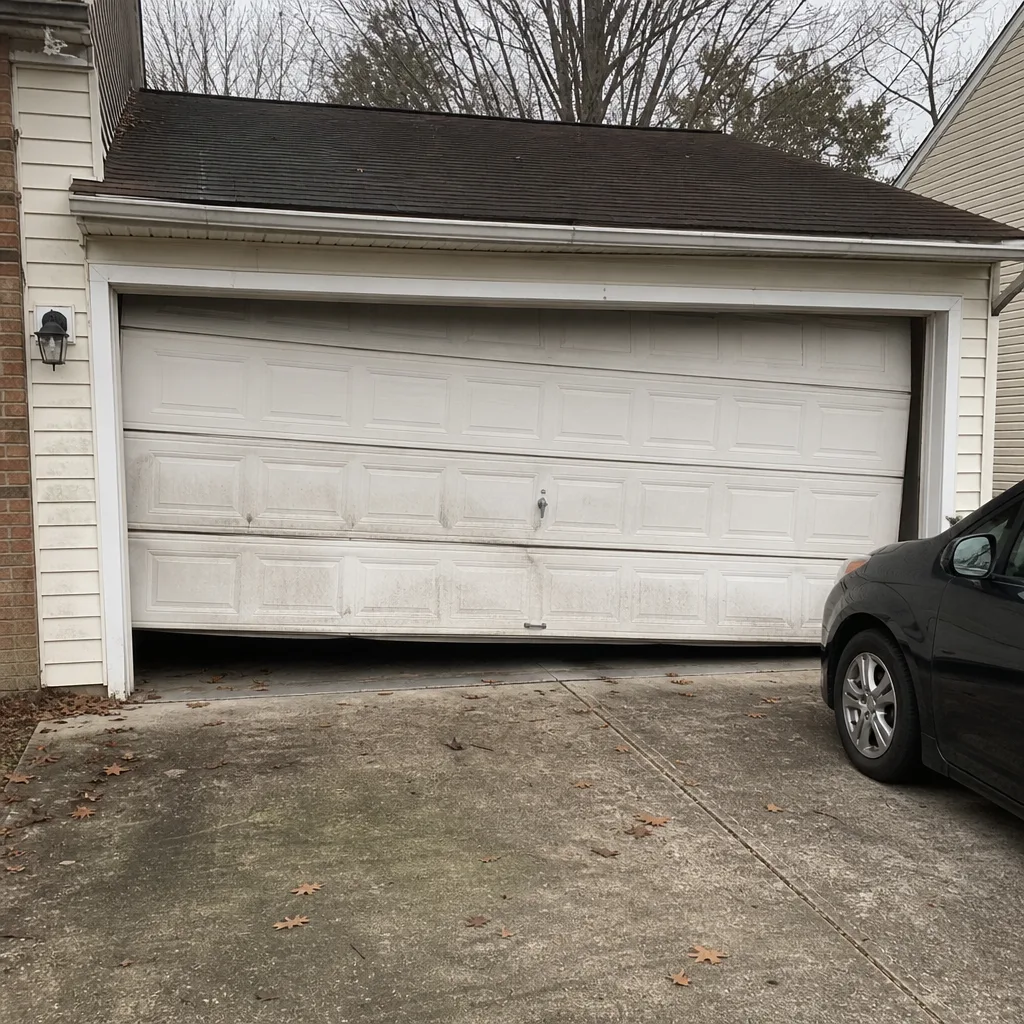 Before
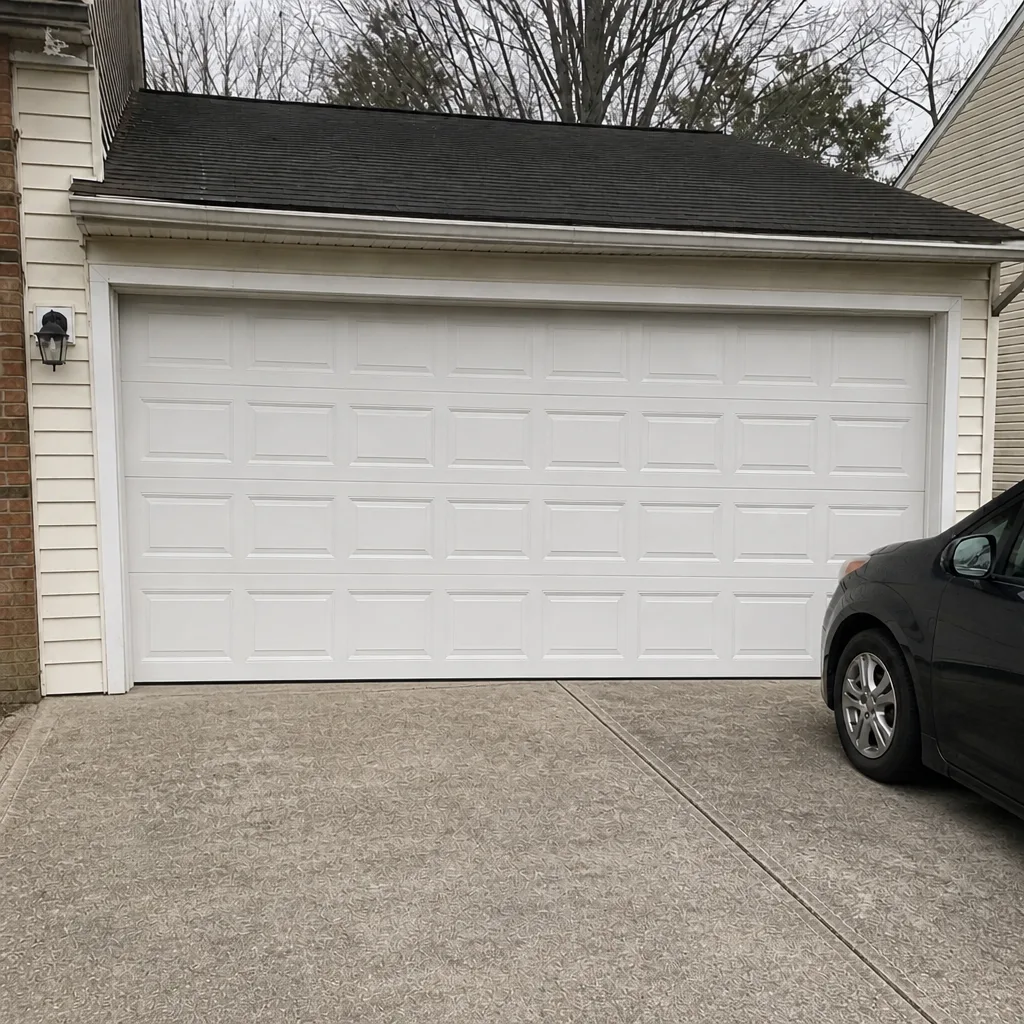 After
Storm Prep: What to Do With Your Door Before a Named Storm
Virginia storm season can bring severe thunderstorms, and in a bad year, the remnants of a tropical system. A garage door is the largest opening in most homes, and it can be one of the most vulnerable when wind gets under it. Before a named storm or a day of severe weather forecast, here’s what to do.
Pre-Storm Checklist
- Close the door and lock it. A closed, manually locked door resists wind pressure better than a closed door that relies only on the opener. If your door has a manual lock bar, engage it. If it has a side lock, use it.
- Disconnect the opener. Pull the manual release cord so the door is fully under manual control. If the opener is left engaged, power loss and a weak battery can leave the door in a partial state, and a wind load can force the motor mechanism. The release cord is usually a red handle hanging from the trolley; pull it down and toward the door. That disengages the opener arm from the door.
- Check that the door is balanced before the storm. A door that’s already out of balance is more likely to come out of its tracks under wind load than one that’s balanced.
- Remove anything stored on the door or leaning against the tracks. A loose ladder or tool shelf can interfere with the door if it shifts in wind.
- Consider wind bracing if you’re in an exposed area. Wind bracing is a set of horizontal or diagonal braces added to the door to increase its resistance to wind load. Town Center isn’t in the most exposed part of Virginia, but if the garage faces an open direction, it’s worth talking through with a professional before the season starts.
After the Storm
Before you try to open the door after a storm, walk around it and check the tracks and panels for visible damage. If you see a bent track or a dislodged panel, don’t try to force the door open. That’s when you call for service. Our recommendation for a door that’s been in a storm is a quick inspection to make sure the springs, cables, and tracks are still true.
If a storm has left your door stuck, our team handles garage door repair for exactly this kind of situation, and we’re open Sunday through Friday, 7am to 7pm. We also offer Garage Door Repair Town Center emergency service when the door won’t budge and you need it dealt with quickly. For a full replacement after a serious storm or a door that’s beyond repair, garage door installation is the other path, and it’s usually less disruptive than people expect.
The Monthly Walk-Around Routine
A garage door doesn’t need much attention, but it does need some. Once a month, walk around the door and run through this short list. It takes about ten minutes and it catches most problems before they get expensive.
- Look at the springs and cables. A broken spring has a visible gap; a frayed cable is visible on the side. From a safe distance, you can spot these without touching anything.
- Check the bottom seal and weatherstripping. Look for gaps, tears, or sections that have pulled away. This is the fall-critical step, but it’s worth checking every month.
- Feel the rollers. Spin them with your fingers (when the door is closed). A roller that won’t spin is dragging and needs attention.
- Listen to the door. Open and close it once. A new squeak, grind, or scrape is worth investigating. The door should sound the same every month.
- Check the balance. Disconnect the opener and lift the door halfway. It should stay put. If it moves on its own, the springs are out of balance.
- Check the opener’s force and travel limits. If the door reverses unexpectedly or stops before it reaches the floor, the limits may have shifted.
This routine is the backbone of what we’d call a homeowner’s seasonal maintenance plan. It’s not a substitute for a professional inspection, but it’s the difference between finding a small problem and finding a broken one.
Common Mistakes to Avoid
- Using the wrong lubricant in winter. Heavy grease and motor oil thicken in cold weather and make the door harder to move, which strains the opener. Use a lubricant rated for low temperatures instead.
- Ignoring the bottom seal until it fails. A seal that’s stiff or torn in fall will let water sit under the door, and that’s what freezes and pries the seal loose in January. Check it in October, not after the first freeze.
- Trying to fix a spring or cable yourself. This is the most dangerous garage door job there is. A torsion spring holds enough force to cause serious injury. Call a professional for anything involving a spring or cable.
- Assuming a loud door in summer is normal. Heat expansion can make a door slightly louder, but a grinding or scraping sound usually points to a roller or track problem.
- Neglecting the manual release cord. Before storm season, every homeowner should know where the manual release is and how to pull it. It’s a red handle on the trolley, and practice makes it easy to use when it matters.
- Skipping the balance test. The balance test tells you whether the springs are doing their job. If the door won’t stay halfway up, the springs or cables need a professional look.
- Replacing a door when a repair is the right answer. A spring, opener, or roller replacement is far less expensive than a new door. Get an honest diagnosis before you decide.
When to Call a Professional
Some garage door jobs are routine homeowner tasks: checking the seal, wiping down the tracks, lubing the rollers. But there are clear signs that you need a professional. Call us when you hear a loud bang from the spring area, when the door won’t lift at all, when a cable looks frayed or has come loose, when a track is bent or the door has jumped out of it, or when the opener runs but the door doesn’t move. Call us immediately if the door is stuck open, because that’s a security problem. And call us at any point if you’re unsure, because a quick diagnosis is better than a guess. Our technicians have up to 8 years of experience, and we’re available Sunday through Friday, 7am to 7pm. Garage Door Repair Town Center offers free estimates in Town Center, so call (833) 509-3459 and we’ll get you a clear answer.
Frequently Asked Questions
You should do a quick inspection once a month and a deeper seasonal check at each change of season: seal work in fall, lubricant switch in winter, spring and cable inspection in spring, and track and roller checks in summer. The monthly walk-around takes about ten minutes, and it’s what actually prevents the failures that lead to emergency calls.
Use a low-temperature white lithium grease on the springs and hinges, and silicone spray on the roller bearings and the inside of the track. Avoid heavy grease, which thickens in cold weather, and WD-40, which is a solvent, not a lubricant. The right lubricant keeps the door moving freely and reduces strain on the opener.
No. A torsion spring is under extreme tension and can release enough force to cause serious injury. This is a job for a trained professional. What you can do safely is inspect the spring from a distance for a visible gap and call us if you see one. We do spring repair safely and explain what’s wrong before any work starts.
Cold temperatures thicken the lubricant on the springs, hinges, and rollers, which makes the door harder to move. That extra resistance loads the opener more heavily than it’s designed for. Switching to a low-temperature lubricant before the cold sets in usually solves the problem. If the door is still hard to move after that, the springs or opener may need a professional look.
Close and lock the door, pull the manual release cord to disconnect the opener, and check that the door is balanced and the tracks are clear. If your garage faces an exposed direction, wind bracing is worth discussing with a professional before the season starts. After the storm, inspect the door before you try to open it.
Yes. We work on the brands most homes in Town Center are likely to have, including Clopay and Amarr doors and Craftsman openers, among others. That means no referrals and no guesswork. Call (833) 509-3459 and we’ll tell you exactly what’s wrong and what it takes to fix it.
The Bottom Line
Seasonal garage door care in Town Center is really about matching maintenance to the climate you live in. Fall is for sealing the door against the cold. Winter is for keeping the moving parts free so the opener isn’t overworked. Spring is for inspecting the parts that took the most load. Summer is for managing heat expansion and humidity corrosion. Storm season adds a separate set of checks around the manual release and wind bracing. Every one of these checks is small, and together they prevent most of the failures that turn into emergency calls. If you’d rather have a professional handle the seasonal inspection, call us at (833) 509-3459 for a free estimate.
Our technicians have up to 8 years of experience, and we’re available Sunday through Friday, 7am to 7pm. Garage Door Repair Town Center handles the full range of work, from a single broken spring to a full new door.
Written by the team at Garage Door Repair Town Center.