Last updated November 22, 2026
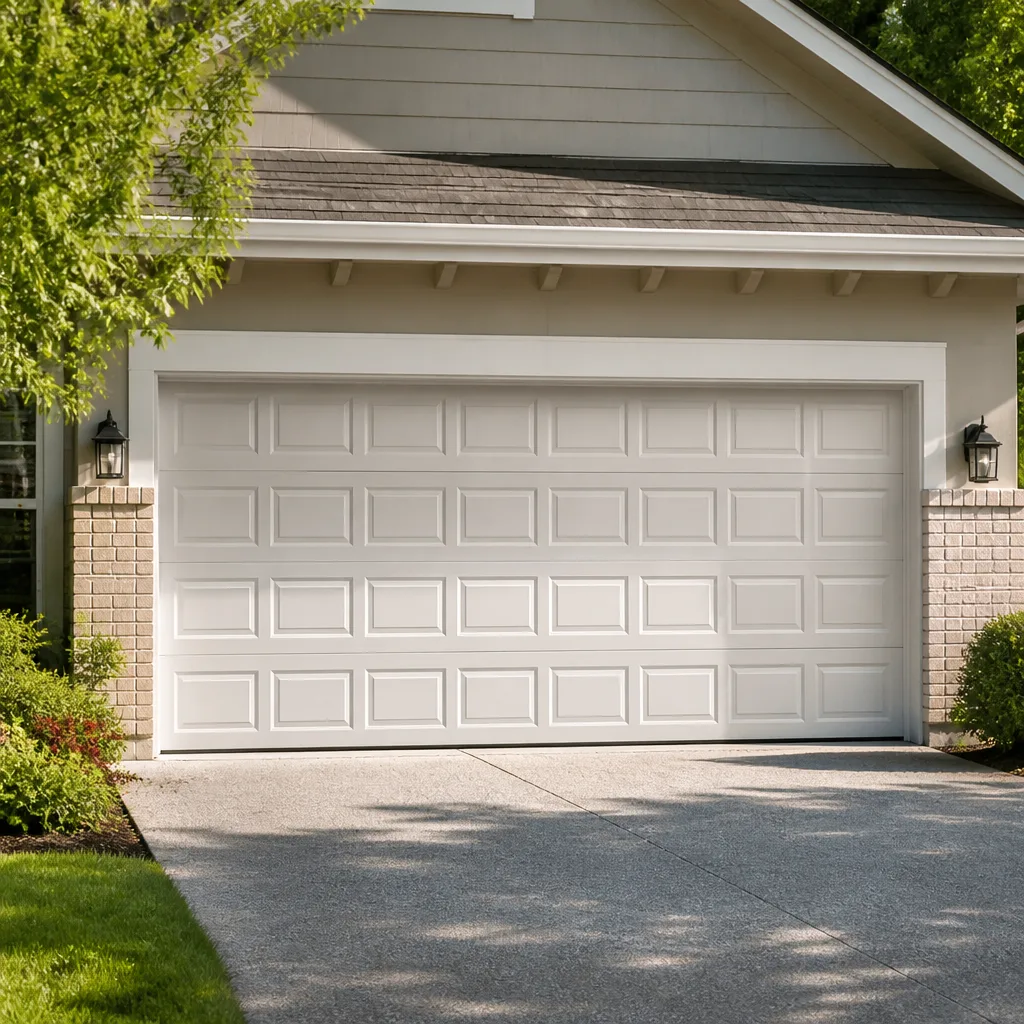 Raised-panel steel
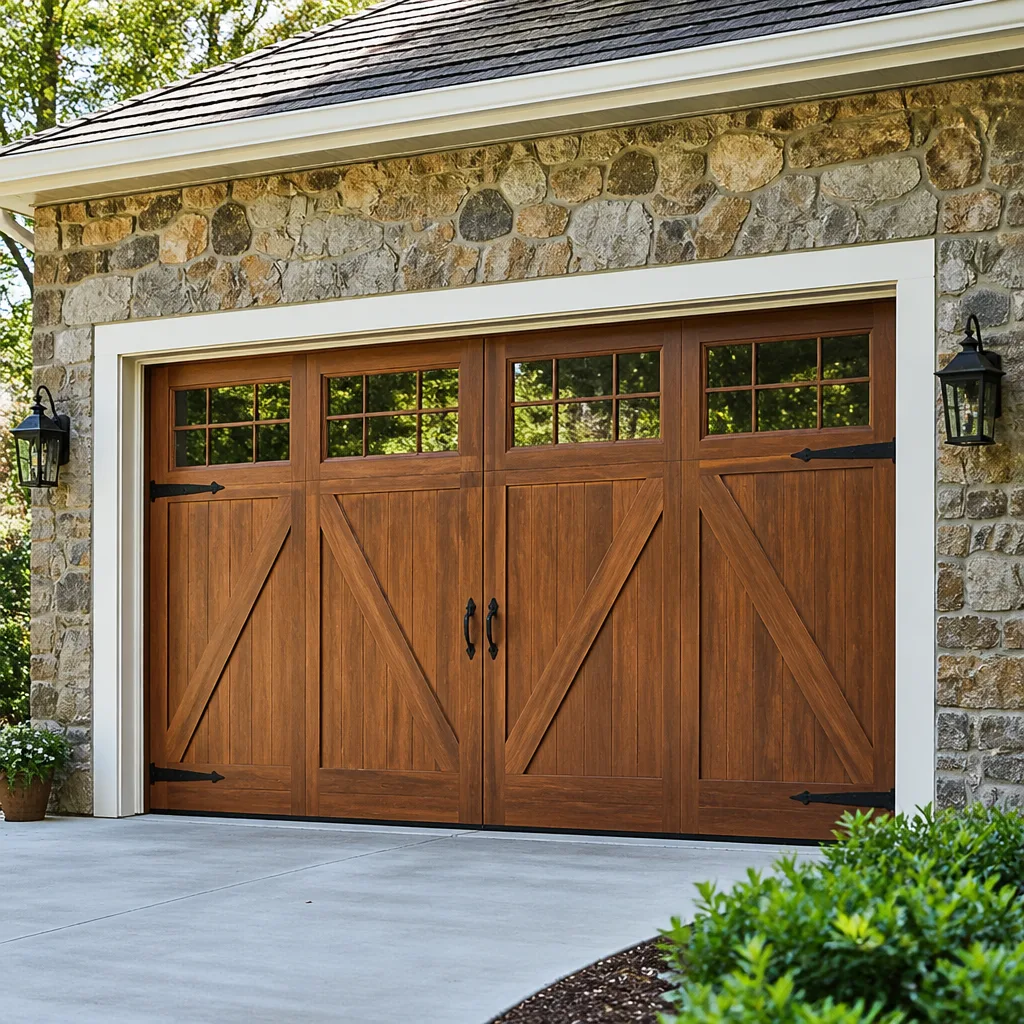 Carriage house
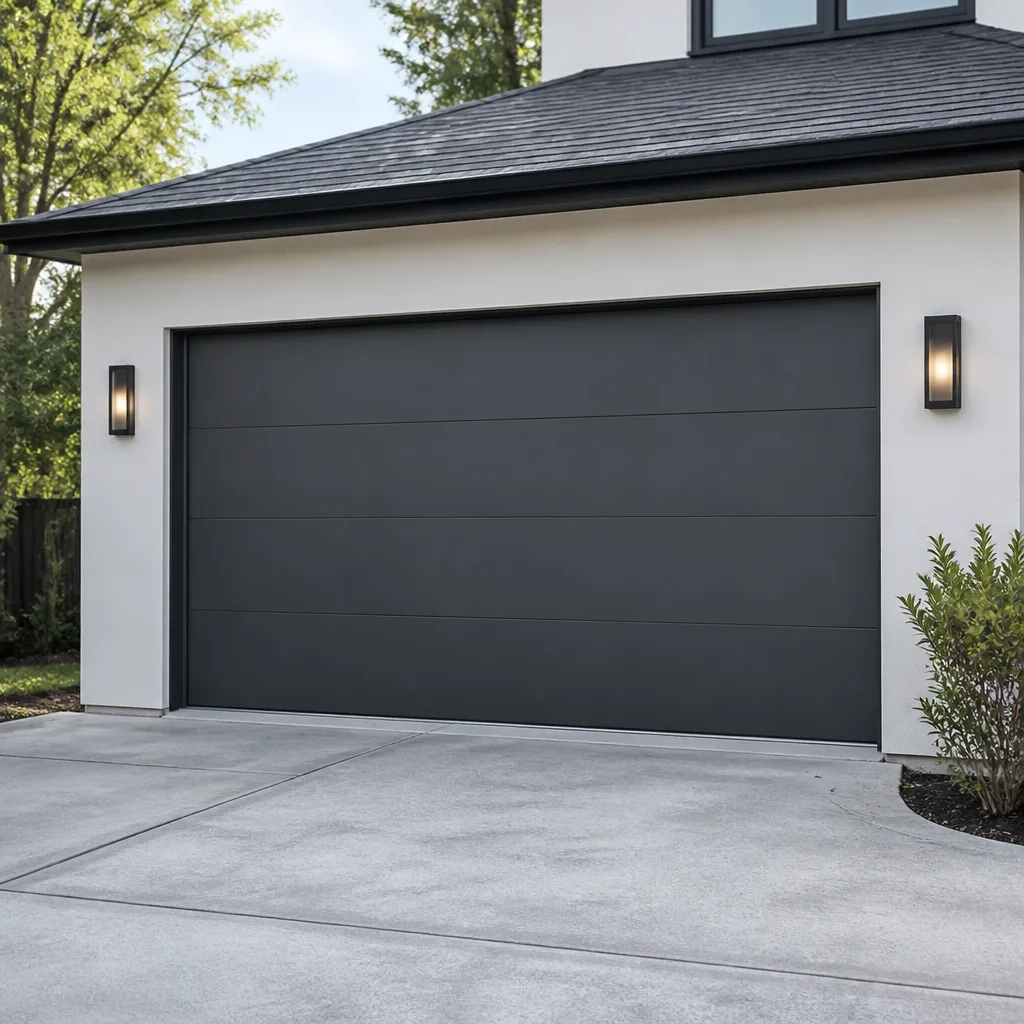 Modern flush
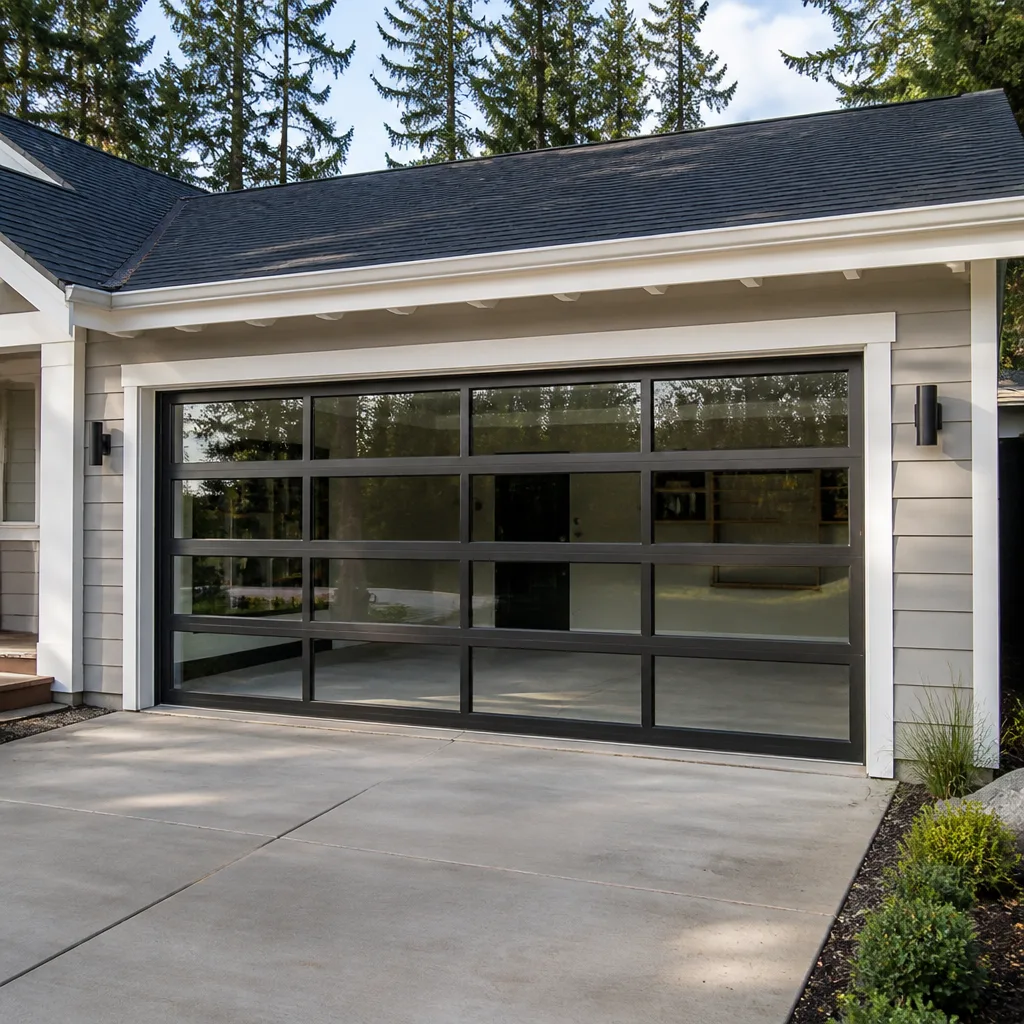 Full-view glass
 LiftMaster openers
 Chamberlain openers
Full 25-point door and opener safety check with every visit - springs, cables, rollers, tracks, and your LiftMaster or Chamberlain opener included
You get a price before we start. It does not change when the pro arrives.
Get your free estimateGarage Door Warning Signs: A Town Center Homeowner’s Reference Guide
A door that takes two seconds longer to open than it did six months ago is telling you something specific, and most of us adapt to the slowness instead of reading it. That tiny delay usually means a spring is losing tension or a roller is dragging, and it tends to show up weeks before the door stops moving altogether. The loud bang gets all the attention, but the quiet signals come first. This guide is about those early signals, the ones you can spot long before a Town Center homeowner is stuck with a car inside and a door that won’t budge. We’ll walk you through the balance test, the opener clues, and the visual checks you can make without tools.
Quick Answer
The earliest garage door warning signs are a door that opens slower than it used to, a slight vibration or creak during travel, a door that drifts off level, an opener motor that runs longer than it should, and remote range that has quietly shrunk. Catching these weeks ahead of a failure lets you schedule a repair instead of an emergency call. A snapping cable, a door hanging off its tracks, or a spring that has visibly broken is a stop-use hazard, and you should call a professional before touching it.
Styles & brands we work with
- Raised-panel steel
- Carriage house
- Modern flush
- Full-view glass
- LiftMaster openers
- Chamberlain openers
Table of Contents
- The Quiet Signals That Come Weeks Before a Failure
- The 30-Second Balance Test and What It Tells You
- Opener Warning Signs: Motor Run Time, Stopping Points, and Remote Range
- Visual Checks You Can Make Without Tools
- One Loud Bang vs. the Slow Creak: Two Different Spring Failures
- Safety Hazard or Schedule-Within-Two-Weeks?
- How Town Center Weather and Housing Shape Wear
- Repair or Replace: Reading the Warning Signs Together
The Quiet Signals That Come Weeks Before a Failure
Most warning-sign guides describe what you notice after something has already gone wrong. We’d rather you notice the small stuff first. In our experience, the subtle early signals repeat so consistently that they’re worth learning by heart, because they buy you time to book a repair on your terms instead of dealing with a door that fails in the middle of a busy morning.
Here’s what to listen and look for over a week or two:
- A slower open. Time the door once. If it now takes noticeably longer than it did a few months back, the opener is compensating for added resistance, usually from a tired spring or a binding roller.
- A new sound. A creak, a squeal, or a low grind that wasn’t there before is friction announcing itself. It rarely appears overnight.
- Vibration you can feel through the floor. A door that shudders as it travels is telling you the tracks, rollers or hinges are out of alignment.
- A door that doesn’t land level. One side touching down before the other points to uneven spring tension.
- A remote that works from the driveway but not the end of the block. Shrinking range is an early opener symptom, not just a dead battery.
None of these means the door is about to fall. What they mean is that the system is working harder than it should, and the parts doing that extra work wear faster because of it. For a Town Center homeowner, that window of weeks is the difference between a planned repair and a call from the driveway with the car trapped inside. We handle garage door repair on exactly these in-between problems, and we’d rather see a door at the creak stage than at the failure stage.
The 30-Second Balance Test and What It Tells You
The balance test tells you whether your springs are still carrying the door’s weight or whether the opener has quietly taken over the job. It takes about 30 seconds, needs no tools, and you can do it safely from the floor with the opener disconnected from the door.
- Close the door fully and pull the emergency release cord to disconnect the opener. The door is now free to move by hand.
- Lift the door about halfway up, to roughly waist or chest height, and let go.
- Watch what it does. A healthy door holds its position, maybe drifting a few inches at most.
- If it drops on its own, the springs have lost tension and the opener is lifting a weight it was never designed to carry alone.
- If it rises on its own, the springs are over-tensioned, which is just as much of a problem.
- Reconnect the opener when you’re done.
Any real gap from level, whether the door falls or floats, tells you the spring tension no longer matches the door’s weight. That’s the single most useful early signal in this whole guide. A door that fails this test will eventually strain the opener to the point of failure, and the opener is the more expensive of the two to replace. Springs are under extreme tension and are the most dangerous part of any garage door to touch, so this is a check-and-report test, not a repair you take on yourself. If your door doesn’t hold, stop using the opener to lift it and have a trained technician look at the springs. You can learn more about how we approach spring work on our Garage Door Repair Town Center page.
Opener Warning Signs: Motor Run Time, Stopping Points, and Remote Range
Your opener often reports a problem before the door does, and the clues are easy to miss because they creep in gradually. We work on the opener brands most Town Center homes actually have, including LiftMaster, Chamberlain and Genie, and the same three early symptoms show up across all of them.
Increased motor run time. Listen to how long the motor hums after the door stops moving. A longer run time, or a motor that keeps pushing for a second after the door lands, means the opener is fighting resistance somewhere in the door.
Inconsistent stopping points. If the door sometimes stops a few inches short of the floor, or reverses for no clear reason, the travel limits or the safety sensors are drifting. This is an early sign, not usually a sudden failure, but it gets worse if ignored.
Remote range shrinkage. A remote that used to open the door from the end of the driveway and now only works up close is telling you the opener’s receiver or antenna is struggling. A fresh battery is the first thing to rule out. If range stays short after that, the opener itself needs attention.
These symptoms overlap with the mechanical ones, and sorting out whether the door or the opener is at fault is half the job. That’s why we treat garage door opener repair as its own specialty rather than an add-on. A worn spring can make a perfectly good opener look broken, and a failing opener can make a sound door look misaligned. Getting the diagnosis right is what keeps you from replacing the wrong part.
Visual Checks You Can Make Without Tools
Several warning signs are visible to anyone who takes a slow walk around the door with a flashlight. None of these checks require you to touch the moving parts, and all of them are safe to do from the floor.
- Cables. Look for fraying, kinks, or a fuzzy appearance along the steel cable on each side. Fraying means strands have already broken, and a cable is a stop-use condition the moment it looks worn.
- Rollers. The small wheels that ride in the track should be smooth and round. Flat spots, cracks, or a wobble mean they’re dragging and scoring the track.
- Rust coloration. Orange or brown staining on hinges, rollers or the bottom of the track points to moisture getting in and to parts that aren’t moving freely anymore.
- Track scoring. A shiny groove worn into the inside of the track, or a track that looks bent or dented, throws the whole door out of alignment.
- Springs. From the floor, look up at the spring above the door. A visible gap in the coil means a broken spring. Never reach up to touch or adjust it.
Anything you find on the cables or springs is a hands-off item. Those parts store enormous energy and can release it without warning, which is why spring and cable work belongs to a trained technician. The roller and track findings are the ones to write down and mention when you call, because they tell us what to expect before we arrive. A flashlight walk-around once a season catches most of this well before it turns into a surprise.
One Loud Bang vs. the Slow Creak: Two Different Spring Failures
Springs fail in two distinct ways, and knowing which one you’re hearing changes how urgently you need to act. The loud bang is the one everyone knows. The slow creak is the one that catches people off guard, because it can go on for weeks without anyone connecting it to the spring.
The one loud bang is a torsion spring snapping. It’s a single, sharp report from inside the garage, followed by a door that suddenly feels enormously heavy or won’t lift at all. That’s an immediate stop-use situation. Don’t keep running the opener, because the motor will now be trying to lift the full weight of the door on its own, and the door can come down hard.
The slow creak is the warning. It’s a stretch of weeks in which the spring gradually loses tension and starts to complain: a creak on the way up, a groan on the way down, a door that gets heavier to lift by hand and slower to open with the opener. This is the stage where a scheduled repair is possible. The balance test above confirms what the creak is telling you.
We treat spring repair as the highest-risk job in this trade for a reason. A torsion spring under tension can injure someone badly if it’s handled wrong, and there’s no safe way to tension or replace one without the proper tools and technique. If you hear the creak, that’s your cue to schedule. If you hear the bang, that’s your cue to stop and call. In our experience, most of the emergency spring calls we get in Town Center started with a creak someone had been ignoring for a couple of weeks.
Safety Hazard or Schedule-Within-Two-Weeks?
The hardest judgment call in this guide is deciding which warning signs mean stop using the door today and which mean book a repair in the next week or two. Here’s how we sort them.
Stop use and call now (safety hazard):
- A spring that has visibly snapped, or a gap in the coil.
- A frayed or broken cable. The cable holds the door’s weight on one side, and a failure can send the door down.
- A door hanging off its tracks, or a track that’s bent enough that the door is riding at an angle.
- A door that won’t stay up on its own when you lift it by hand.
- Any time the door feels unstable or comes down faster than it should.
Schedule within two weeks (early warning, not an emergency):
- The creak or groan of a spring losing tension, confirmed by a failed balance test.
- Slower opening, new vibration, or a door that doesn’t land level.
- Opener symptoms like longer run time, inconsistent stopping, or shrinking remote range.
- Worn rollers, minor track scoring, or visible rust on moving parts.
When the door can’t move at all, or it’s stuck open and you can’t secure the house, that’s exactly what our emergency garage door service is built for. We keep it as a standing offering, not a seasonal one, because doors don’t fail on a convenient schedule. For the two-week list, a scheduled repair in Town Center is almost always the cheaper and calmer path.
How Town Center Weather and Housing Shape Wear
Garage doors age faster in some conditions than others, and Town Center sits in a stretch of northern Virginia where the seasons do a number on moving parts. The freeze-thaw swings through winter and early spring are the honest culprit. Metal contracts in the cold and expands as it warms, and every one of those cycles works on hinges, rollers, cables and tracks. A door that was quiet in autumn often starts creaking by the first warm week of spring. That’s the weather talking, not necessarily a failing part.
Summer adds humidity to the mix, and humidity is what drives the rust coloration we mentioned earlier. It creeps into the small gaps around hinges and roller stems, and once it’s there, those parts don’t glide the way they used to. Town Center homes run the gamut from older townhomes with original hardware to newer builds with smart openers from the major brands, and the pattern of wear differs between them. Older doors show their age in the tracks and springs. Newer ones tend to surface opener symptoms first, since the door itself is still tight.
What this means for you is a seasonal rhythm to your checks. A flashlight walk-around after the first cold snap and again as spring warms up will catch most of what Town Center weather throws at a door. If a check turns up something on the two-week list, you can reach us for a free estimate and we’ll tell you what the door needs.
Repair or Replace: Reading the Warning Signs Together
Any single warning sign usually points to a repair. It’s when several show up at once that replacement deserves an honest conversation. A door with a creaking spring, scored tracks, rusty rollers and a door panel that’s cracked or dented is telling you it’s near the end of its service life. A door with one worn part and everything else in good shape is a straightforward fix, and that’s almost always the right call.
We won’t push a new door when a spring or opener repair will do, and that’s a promise we take seriously. But when the signs stack up, a full garage door installation can be the better value than chasing one repair after another. We work across the door brands common in this area, including Clopay, Amarr and Wayne Dalton, so whether your door is a newer model or an older one, we can match the fix to what you have. If a repair reveals the door is beyond saving, you don’t need to find a separate company. That single-source coverage from repair to installation is how we keep a bad week from turning into three separate phone calls.
Common Mistakes to Avoid
- Adapting to a slower door instead of investigating it. The two-second delay is the whole point of this guide. If you notice it, time it, and get it checked before it becomes a stuck door.
- Trying to tension or replace a spring yourself. Springs store enough energy to cause serious injury. This is the one job in the whole door that always belongs to a trained technician.
- Ignoring a frayed cable because the door still works. A worn cable can fail without much warning, and it’s on the stop-use list for good reason.
- Replacing the opener when the door is the problem. A tired spring makes a healthy opener look broken. Diagnose both before spending money on either.
- Skipping the seasonal check. A quick flashlight walk-around after the first cold snap and again in spring catches most Town Center wear before it turns into a failure.
- Forcing a stuck door with the opener. If the door won’t move, running the motor just wears it out and can bring the door down harder. Stop and call.
- Assuming a bang is the only spring failure. The creak that precedes it by weeks is the more useful signal, and it’s the one most homeowners miss.
See the difference
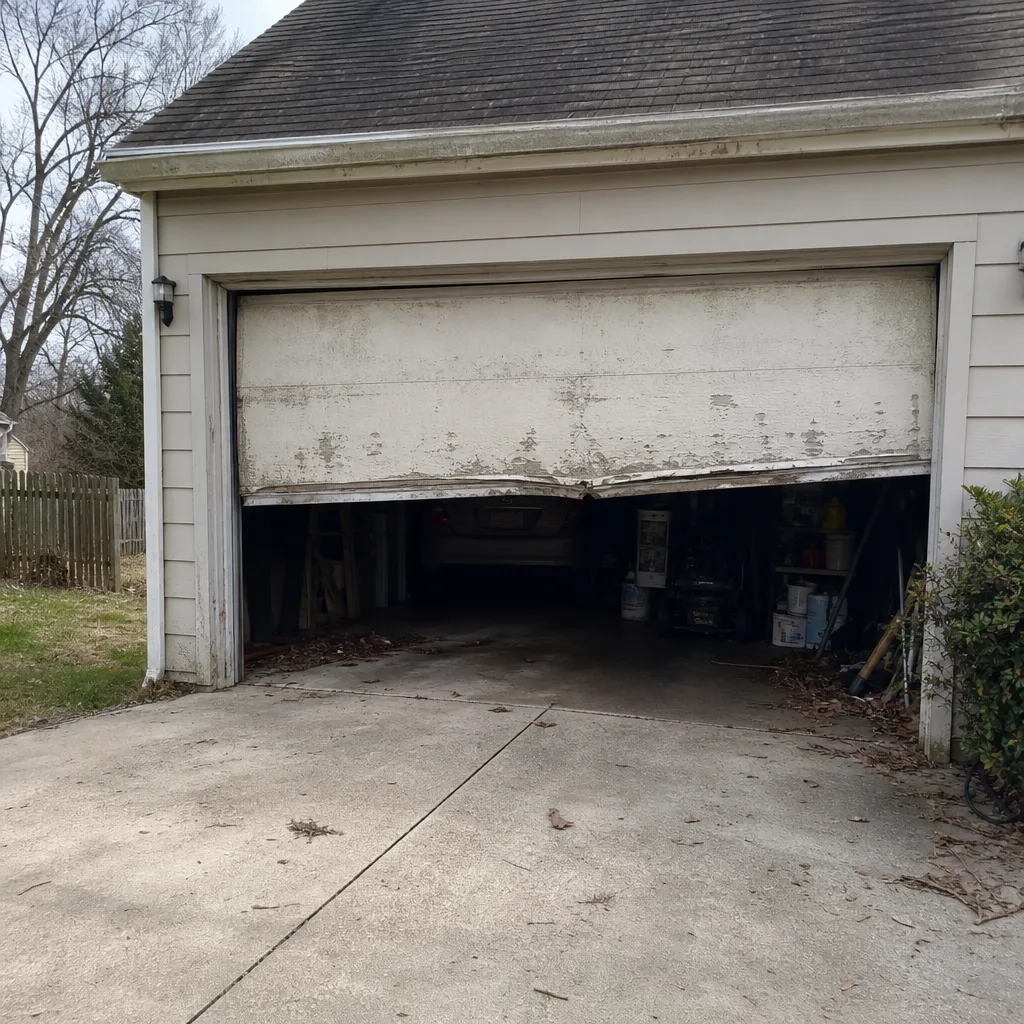 Before
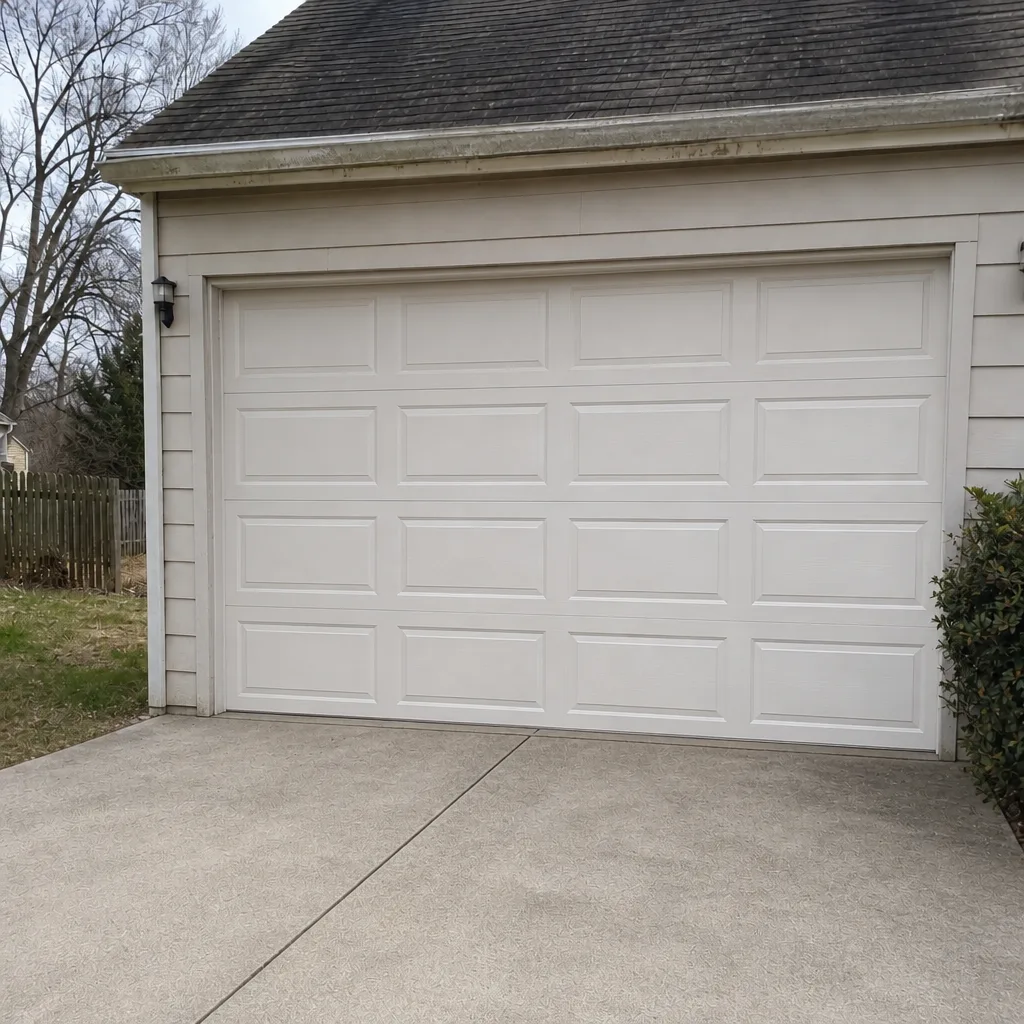 After
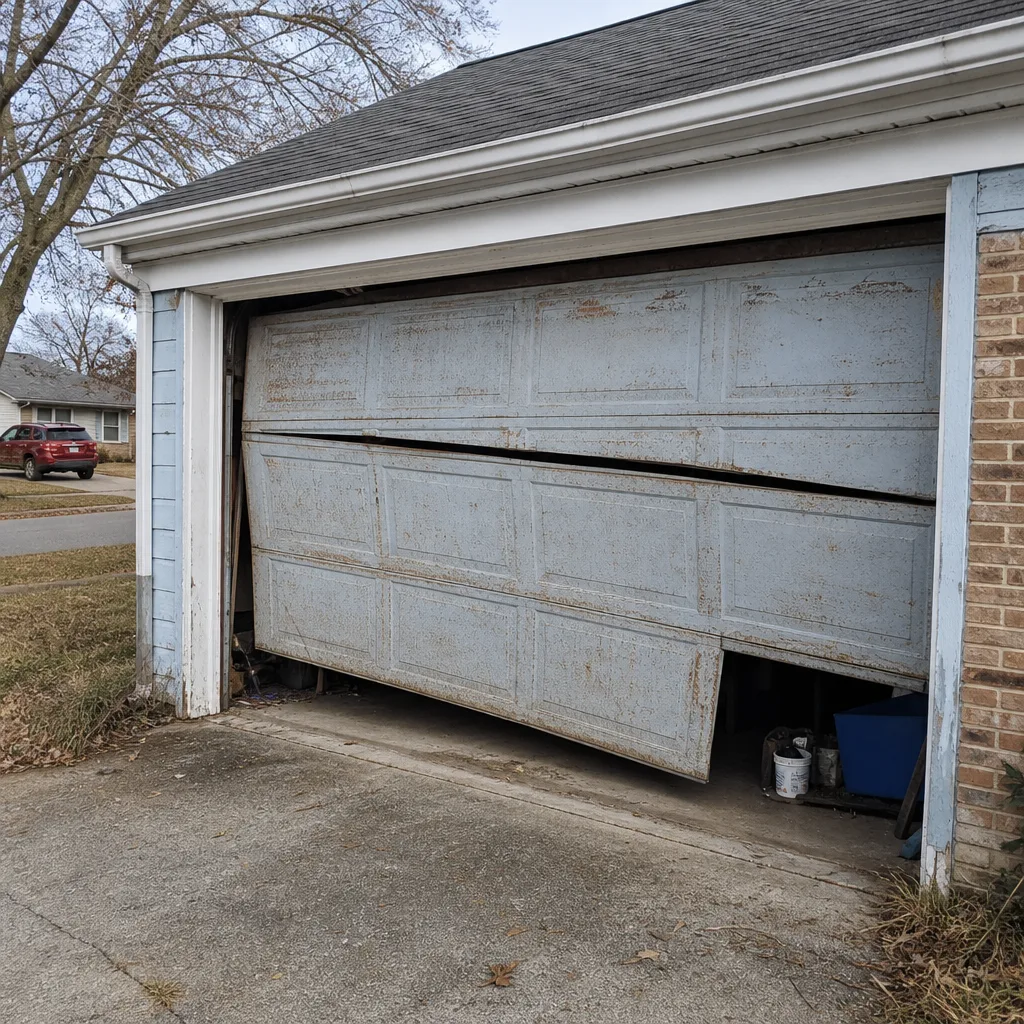 Before
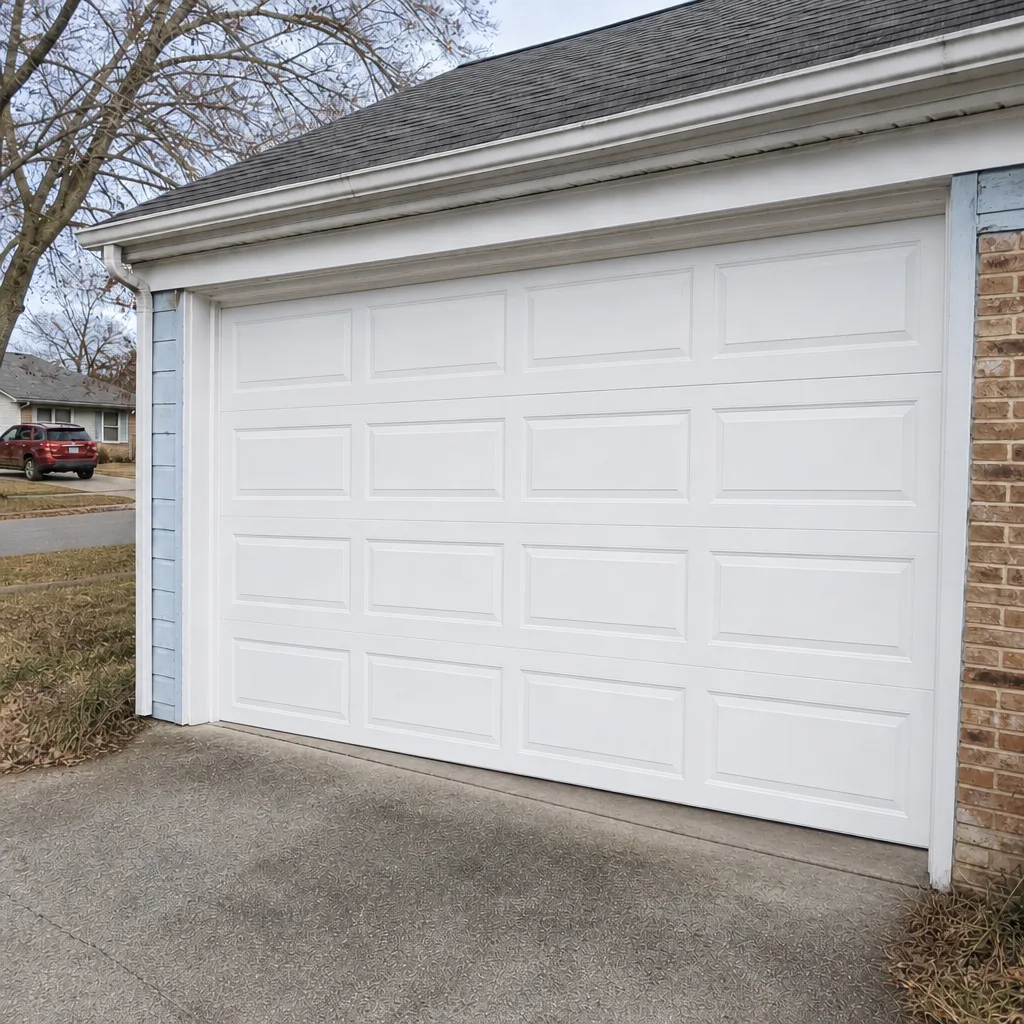 After
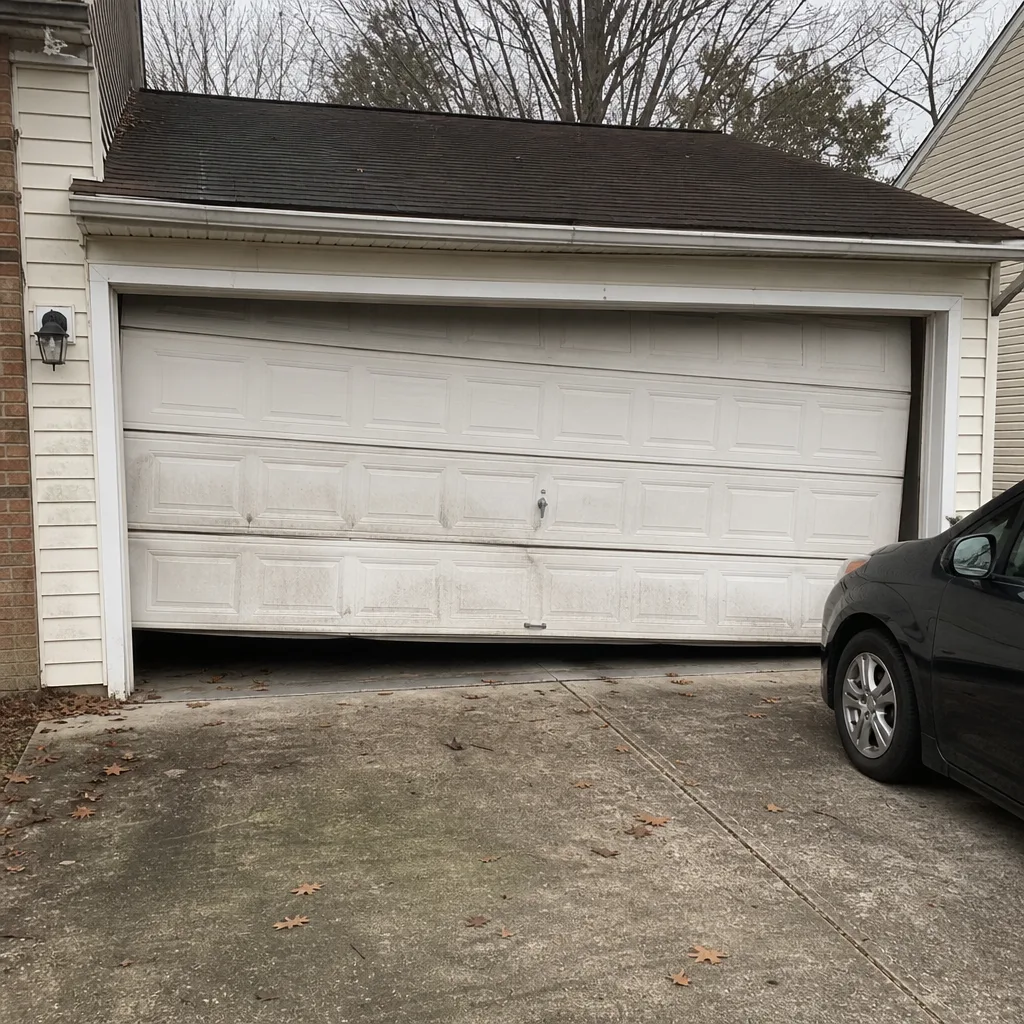 Before
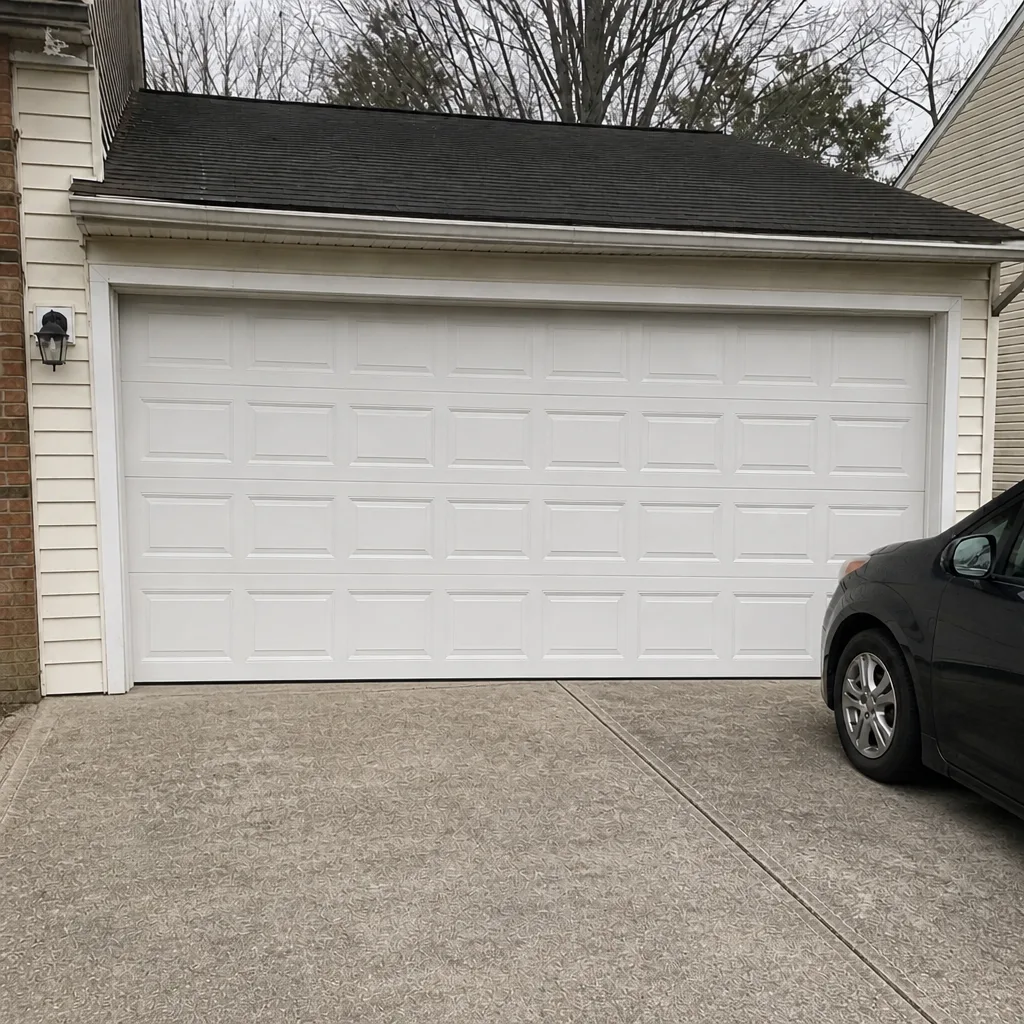 After
When to Call a Professional
Call us when a warning sign lands on the stop-use list: a snapped spring, a frayed cable, a door off its tracks, or a door that won’t stay up on its own. Call when the balance test fails and the door drops or floats instead of holding level. Call when the opener runs longer than it should, stops inconsistently, or the remote only works up close, because those usually mean a part is wearing out. And call when a door is stuck open and you can’t secure the house, or when it won’t move at all and the car is trapped inside; our emergency service is there for exactly those moments. Garage Door Repair Town Center offers free estimates in Town Center, and every price is quoted and agreed before any work starts. Call (833) 509-3459.
Frequently Asked Questions
The most reliable early warning is a door that opens slower than it did a few months ago. That delay usually means a spring is losing tension or a roller is dragging, and it typically shows up weeks before the door stops working. Time the door and if it’s noticeably slower, run the balance test.
Pull the emergency release to disconnect the opener, lift the door to about waist height, and let go. A healthy door holds its position; one that drops or rises on its own has a spring tension problem. Reconnect the opener afterward, and don’t attempt any spring adjustments yourself. Call (833) 509-3459 for an exact quote if the door fails the test; estimates are free.
Watch for the motor running longer than usual, the door stopping a few inches short or reversing for no clear reason, and remote range shrinking so you have to be closer to open it. These are the early opener symptoms we see most often. A fresh battery is the first thing to rule out on range; if it stays short, the opener needs a look. Call (833) 509-3459 and we’ll diagnose it.
No. A torsion spring is under extreme tension and is the most dangerous part of any garage door to handle, so spring work belongs to a trained technician. A spring that has snapped, or a door that won’t stay up on its own, is a stop-use situation. Call us and we’ll get it sorted.
Once after the first cold snap and once as spring warms up, because the freeze-thaw swings here work on metal parts the most. Add a check any time you notice a new sound or a slower open. A seasonal flashlight walk-around catches most of what this area’s weather does to a door.
A snapped spring, a frayed or broken cable, a door off its tracks, or a door that won’t stay up is a stop-use emergency, not a wait-and-see. Slower opening, new vibration, or opener symptoms can usually wait a week or two and be scheduled. When in doubt, call (833) 509-3459 and we’ll tell you which one you’re dealing with; estimates are free.
The Bottom Line
The most useful garage door warning signs are the quiet ones: a slower open, a new creak, a door that drifts off level, an opener that runs longer or a remote that works from closer. Learn the 30-second balance test and do a flashlight walk-around each season, because Town Center’s freeze-thaw swings put real wear on the moving parts. Anything on the stop-use list (snapped spring, frayed cable, door off its tracks) means call today. Everything on the two-week list is a scheduled repair, and getting to it early is how you avoid the emergency call. The right fix is rarely the most expensive one.
If any of these signs sound familiar, we’re here to help. Garage Door Repair Town Center handles spring repair, opener repair and full installation across the brands most homes in the area actually have, and our technicians have up to 8 years of experience. Call (833) 509-3459 for a free estimate, and we’ll quote and agree the price before any work starts.
Written by the team at Garage Door Repair Town Center.